avatarJane Frost (Jane Grows Garden Rooms)

Summary

Sea Purslane, a coastal plant with a rich history in cuisine and medicine, is highlighted by Australian Bush Tucker Bites for its nutritional benefits, including high Vitamin C content and the presence of ecdysterone, and is recommended for use in salads.

Abstract

Australian Bush Tucker Bites introduces Sea Purslane, a plant found in coastal regions globally, renowned for its culinary and medicinal properties. It is rich in Vitamin C and has been traditionally used to treat various ailments. The leaves can be consumed raw, blanched, steamed, or pickled, and the plant contains antibacterial, antifungal, and performance-enhancing compounds like ecdysterone. Sea Purslane is also valued for its ecological role in stabilizing coastal dunes and can be used as a groundcover if harvested regularly. The author particularly enjoys adding its leaves to salads for a crunchy, salty flavor.

Opinions

  • The author expresses a preference for using Sea Purslane in salads due to its fresh, salty taste.
  • Sea Purslane is considered an excellent pickle ingredient.
  • The plant is appreciated for its ecosystem services, such as being a pioneer species on coastal dunes.
  • Regular harvesting is recommended to manage its growth and prevent it from becoming invasive.
  • The author suggests that Sea Purslane's antibacterial and antifungal properties add to its value.
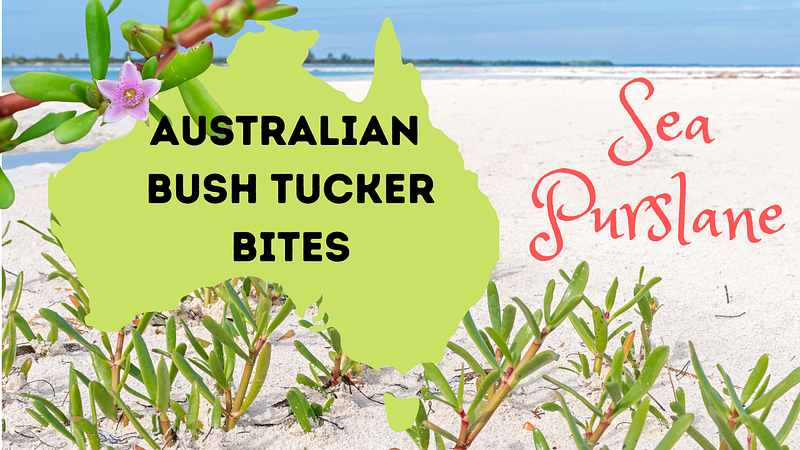
Graphic by Author

Salty Pops for Salad!

Australian Bush Tucker Bites presents Sea Purslane (Sesuvium portulacastrum).

This plant grows in coastal areas around the world and has a rich culinary and medicinal history.

High in Vitamin C, Sea Purslane has been used to treat ailments from scurvy to leprosy to fevers and more.

Leaves can be eaten raw, blanched or steamed and apparently make an excellent pickle.

Along with antibacterial and antifungal components, It also contains ecdysterone, a naturally occurring steroid that can enhance athletic performance.

It provides important ecosystem services as a pioneer species on coastal dunes and grows well in sandy soil and sunny conditions. It also makes an excellent living groundcover, provided it is harvested frequently to stop it taking over.

My favourite use is to simply pluck a few leaves and sprinkle them in salad for crunchy, fresh salty bursts of flavour!

Food
Walkabout
Bush Tucker
Australia
The Daily Cuppa
Recommended from ReadMedium