avatarAlex Markham

Free AI web copilot to create summaries, insights and extended knowledge, download it at here

4788

Abstract

s past. And that of Alejandra’s.</p><h1 id="13f0">Cafayate</h1><p id="07e5">Cafayate may have been named after the tribe who used to live here, but the local industry is wine. That was the main attraction for me if I’m honest.</p><p id="446b">The indigenous peoples of Argentina didn’t have wine, they drank Chicha which is a corn beer. Vines were brought to South America by the conquistadors in the 16th century.</p><p id="9caf">Despite Cafayate being the centre of the region’s wine industry, or maybe because of it, this is a sleepy town.</p><figure id="e596"><img src="https://cdn-images-1.readmedium.com/v2/resize:fit:800/1*wXi3sWdBXGrur52IQ1_Lqg.jpeg"><figcaption>A donkey waits outside a shop for reasons that were not obvious — photo by the author</figcaption></figure><p id="0a3d">Recognising that Alejandra has Spanish and Italian ancestry too, we put the indigenous search to one side and decided this part of the trip would about be my favourite topic — wine. Well, joint-favourite with music and football.</p><p id="9e2a">So what do you do when you’re in wine country? Yep, you go wine tasting.</p><figure id="5739"><img src="https://cdn-images-1.readmedium.com/v2/resize:fit:800/1*d1Awz6XY-djQCDkUt0OqwA.jpeg"><figcaption>Sampling Cafayate Malbec at a local vineyard. By her grin, it looks like Alejandra is on her third or fourth glass. (Photo by the author — surprisingly in focus)</figcaption></figure><p id="98b4">The signature wine of Salta is Torrentés, a fruity white. They also produce rich high-altitude Malbecs that are very different from those of the country’s principal wine region, Mendoza. Salta wines are hard to find in Europe.</p><figure id="ed2e"><img src="https://cdn-images-1.readmedium.com/v2/resize:fit:800/1*vwdmQSKjiJGnZrpV_Z94FA.jpeg"><figcaption>The amazing location for the vineyard in Cafayate — photo by the author</figcaption></figure><h1 id="9d48">The Quebrada de las Conchas</h1><p id="8f05">The next day, after an early night, Ibuprofen and a couple of pints of water due to our exuberant wine tasting, we finally went in search of Salta’s past.</p><p id="02eb">We joined a minibus tour from the bus station to spend a day hiking and touring the Quebrada de las Conchas — the Ravine of the Shells.</p><figure id="4658"><img src="https://cdn-images-1.readmedium.com/v2/resize:fit:800/1*1aP3loALTJ_3LilQxnTWKQ.jpeg"><figcaption>Alejandra at the Quebrada de las Conchas. She’s probably wearing sunglasses to hide the effects of the wine tasting — photo by the author</figcaption></figure><p id="1f21">The ravine is a 26,000 hectares / 62,000 acres protected reserve. The rocks are various shades of red and it has a number of striking geological formations.</p><figure id="8e0e"><img src="https://cdn-images-1.readmedium.com/v2/resize:fit:800/1*AuzSacyVJCumyVQfkU3NBQ.jpeg"><figcaption>Rock formations of the Quebrada de las Conchas — photo by the author</figcaption></figure><figure id="2445"><img src="https://cdn-images-1.readmedium.com/v2/resize:fit:800/1*gir11Y9UThO4akggf8-4rQ.jpeg"><figcaption>La Garganta del Diablo, The Devil’s Throat — photo by the author</figcaption></figure><p id="e37e">We booked a hike. Health and safety regulations don’t seem to exist here. The guide pointed in the approximate direction and said he’d meet us at the other end two hours later. A hike across a desert. Without a guide.</p><figure id="8dae"><img src="https://cdn-images-1.readmedium.com/v2/resize:fit:800/1*ClygcnlE7EiGgdoIOCT6NA.jpeg"><figcaption>Posing just before we set off somewhere into the Quebrada de las Concha desert — photo owned by the author</figcaption></figure><p id="3596">After arriving at the meeting point thanks to a good sense of direction and significant luck, we woke the guide from his siesta and returned to town for the next leg of the trip.</p><h1 id="2a6c">Cachi</h1><p id="e75f">The 100-mile route from Cafayate to Cachi follows the Calchaquíes Valley. Now we’re deep in Salta’s indigenous past.</p><figure id="a7d6"><img src="https://cdn-images-1.readmedium.com/v2/resize:fit:800/1*Bvl8hOod74yBJdPrT335rg.jpeg"><figcaption>En route from Cafayate to Cachi — photo by the author</figcaption></figure><figure id="04df"><img src="https://cdn-images-1.readmedium.com/v2/resize:fit:800/1*QEJjlWBQCQAHj7o78g7ofg.jpeg"><figcaption>En route to Cachi — photo by the author</figcaption></figure><p id="aa75">Cachi is a small town in the Calchaquíes Valley. It’s higher, sleepier, fresher, and smaller than Cafayate, with adobe houses, white colonial buildings, and a 16th-century Spanish colonial church.</p><p id="a6c7">It has the world’s highest commercial vineyard, over 10,000 feet above sea level. I know, the indigenous peoples didn’t have wine but what can I do?</p><figure id="2915"><img src="https://cdn-images-1.rea

Options

dmedium.com/v2/resize:fit:800/1*m2QNStMoRuwF4Y15A96WaA.jpeg"><figcaption>Alejandra in Cachi main street. Did her ancestors once tread these streets? — photo by the author</figcaption></figure><p id="622b">There is a reconstructed Inca-period village on the edge of town. It was rebuilt using the original materials found on the site and from the local area.</p><figure id="4acd"><img src="https://cdn-images-1.readmedium.com/v2/resize:fit:800/1*nAqZHNKwtZGrZo2dYn_ROg.jpeg"><figcaption>Reconstructed Inca homes in Cachi — photo by the author</figcaption></figure><p id="8790">The centre of the Inca village has a small reconstructed temple. It’s not quite Machu Pichu, but it’s nice enough.</p><figure id="d11c"><img src="https://cdn-images-1.readmedium.com/v2/resize:fit:800/1*WWIbr3E9Ltke2a1arfmDZg.jpeg"><figcaption>Reconstructed Inca temple in Cachi — photo by the author</figcaption></figure><h1 id="6acf">Las Salinas Grandes (The Great Saltworks)</h1><p id="8026">We arrived at the chilled rarified air of the Salinas Grandes after a day trip from Cachi. We hired a car and driver and shared the ride with another couple. The drivers tout for business around the bus station and are not a lot more expensive than taking the coach if there are four of you.</p><p id="1a40">The Salinas Grandes are over 11,000 feet above sea level.</p><figure id="5c99"><img src="https://cdn-images-1.readmedium.com/v2/resize:fit:800/1*5xmWymFygH-NxZkTMHJQUQ.jpeg"><figcaption>Las Salinas Grandas in northwest Argentina — photo by the author</figcaption></figure><p id="0b76">The Salinas Grandes are mined for precious minerals, as well as for salt. This continues to cause problems for the local people due to the effect of the mining on water levels.</p><figure id="8980"><img src="https://cdn-images-1.readmedium.com/v2/resize:fit:800/1*1j_5ZvSBKN5LtY4q_Ttftw.jpeg"><figcaption>Looking across the moonscape-like flat expanse of the Salinas Grandes — photo by the author</figcaption></figure><h1 id="2617">Back to Base</h1><p id="3020">Our flight back to Buenos Aires was from Jujuy City, the capital of Jujuy province next to Salta. We’d expected to find a gem like Salta City but Jujuy City was a long-faded glory.</p><p id="6033">The northwest of Argentina is well-known to the Argentinians but less so to those from outside the country. It’s a hidden tranquil gem with very few foreign tourists and amazing natural and man-made sights. And the wine. Don’t forget the wine.</p><p id="fe6a">Thank you to <a href="undefined">Warren Patterson</a> for <a href="https://readmedium.com/globetrotters-writers-challenge-january-the-best-place-ive-been-de0d85b8b524"><i>The Best Place I’ve Been</i></a> writing prompt in <a href="https://medium.com/globetrotters"><i>Globetrotters</i></a> travel publication.</p><p id="2580">Take a look at another response to the same writing prompt of <i>Globetrotters</i>. It’s from <a href="undefined">Anne Bonfert</a> and is a very different best place from any other’s choice of best place— the Namibian Desert.</p><div id="da61" class="link-block"> <a href="https://readmedium.com/the-best-place-ive-been-deserts-8775cb7436d2"> <div> <div> <h2>The Best Place I’ve Been — Deserts</h2> <div><h3>The desert sounds dead and desolate but is much more diverse than you think</h3></div> <div><p>medium.com</p></div> </div> <div> <div style="background-image: url(https://miro.readmedium.com/v2/resize:fit:320/1*MPwThuPX1-rXR4Z4Q5fYQg.jpeg)"></div> </div> </div> </a> </div><p id="6be3">And while we’re on the topic of unusual places to visit, here’s one I’d like to visit but obviously haven’t managed it yet. On the bucket list then.</p><div id="af3d" class="link-block"> <a href="https://readmedium.com/mars-now-open-for-vacations-fcaaef61264a"> <div> <div> <h2>​Mars: Now Open for Vacations</h2> <div><h3>With foreign travel on Earth out of the question, why not consider the Red Planet?</h3></div> <div><p>medium.com</p></div> </div> <div> <div style="background-image: url(https://miro.readmedium.com/v2/resize:fit:320/1*JcrSHJAcElgLJgidKEruMQ.png)"></div> </div> </div> </a> </div><p id="633e"><a href="https://byalexmarkham.medium.com/membership"><b><i>Gain access to thousands of articles and stories like this one for just $5 a month. Click here to become a Medium member.</i></b></a><b><i> </i></b><i>This is an affiliate link and won’t cost you anything extra but I’ll earn a small commission.</i></p></article></body>

WRITERS’ CHALLENGE

Salta — The Best Place I’ve Been

The forgotten corner of Argentina is a wonderland, just don’t tell anyone
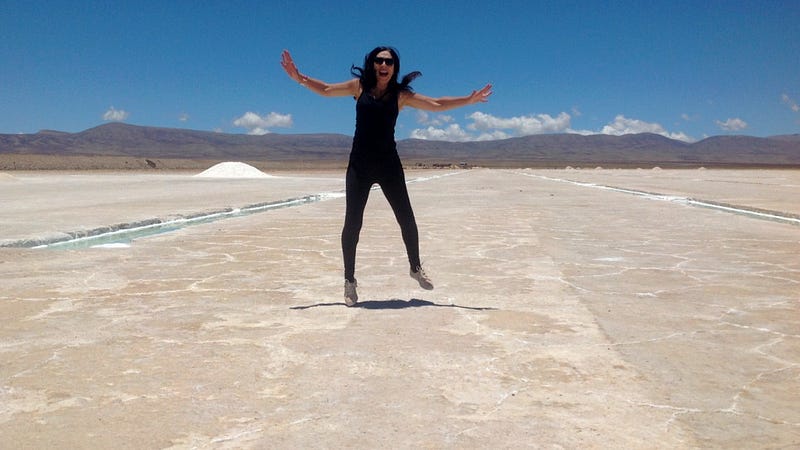
Alejandra on Las Salinas salt flats, northwest Argentina — photo by the author

The land is superficially Spanish colonial. Scratch the surface and its indigenous past is still there in the people, the placenames and the air.

Argentina presents a European face to the world, especially Buenos Aires. It’s a mask and in northwest Argentina, the mask never fitted. Northwest Argentina was less affected by the mass European immigrations of the 19th and 20th centuries and is still not on the major tourist trails. Some 70% of the region’s population has Native Argentinian heritage.

Many of the towns and the natural features here have names that remind us of the tribes who once lived here — Iruya, Cachi. The Calchaquíes and Cafayate tribes are remembered in the name of the valley and river that bear their names.
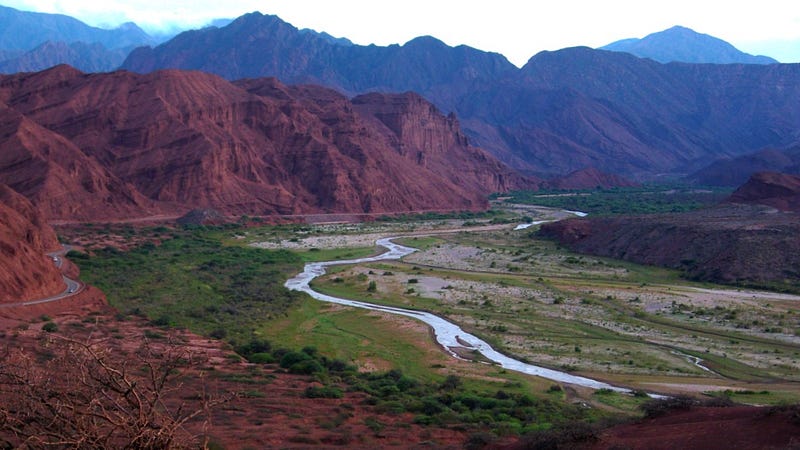
The River Cafayate flowing through the Calchaquíes valley in Salta province — photo by the author.

These native peoples live on today within the mixed genes of modern-day Argentinians. Like Alejandra, my wife, who is 30% Native Argentinian.

Salta City

Argentina is a massive country. The flight from Buenos Aires to Salta City takes two and a half hours. This is the same time it takes to fly from my old hometown of London to my new home of Valencia, passing over the whole of France and half of Spain on the way.

Salta City is the shabby and chic colonial-style capital city of Salta province. It was founded by the conquistadors in 1592. As a Spanish resident, I felt at home here. It’s a good place to acclimatise before heading out to find the area’s indigenous past.

Most of the historical buildings are around or near 9 Julio Plaza in the city centre.
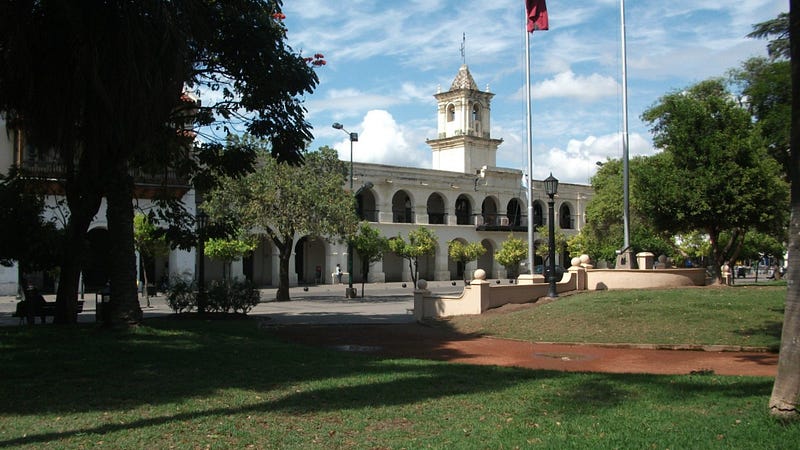
View from 9 Julio Plaza in the centre of Salta City — photo by the author

The principal historic buildings are City Hall, the Cathedral de la Virgen del Milagro (the Virgin of the Miracle), the Museo de Arqueologia de Alta Montaña (the Museum of High Mountain Archaeology) and the Cabildo Histórico, an old government building.
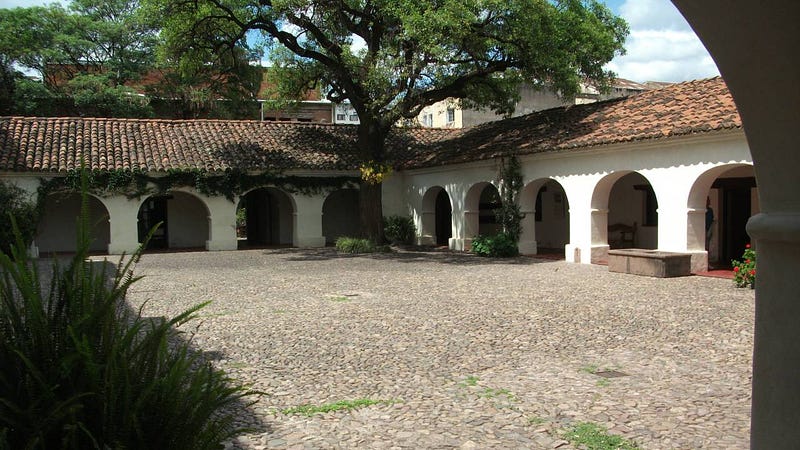
Cabildo Histórico de Salta — A restored 18th-century government building just off the 9 de Julio Plaza. It’s now a museum with exhibits on Argentina’s colonial & revolutionary history. (Photo by the author.)

One block away from 9 Julio Plaza, we find the amazingly decorated Iglesia (church) of San Francisco (St Francis).
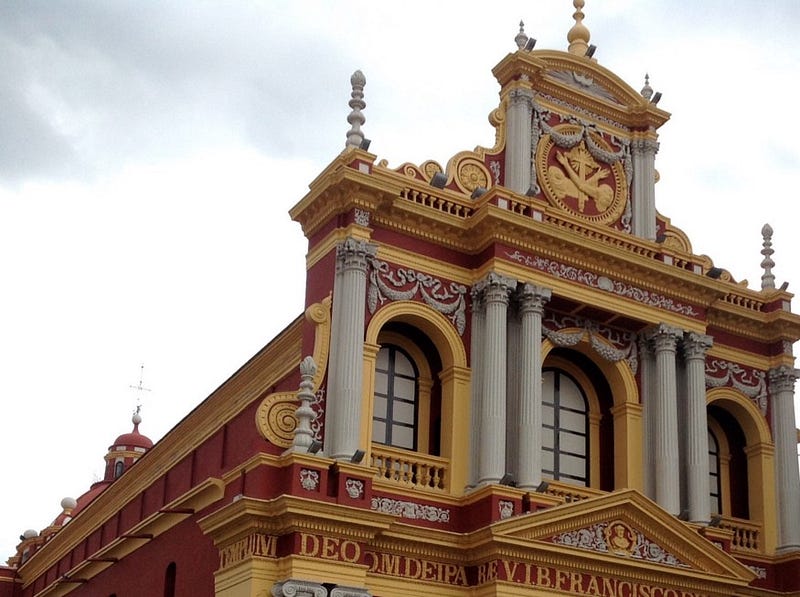
Iglesia San Francisco, close to the main plaza in Salta City — photo by the author

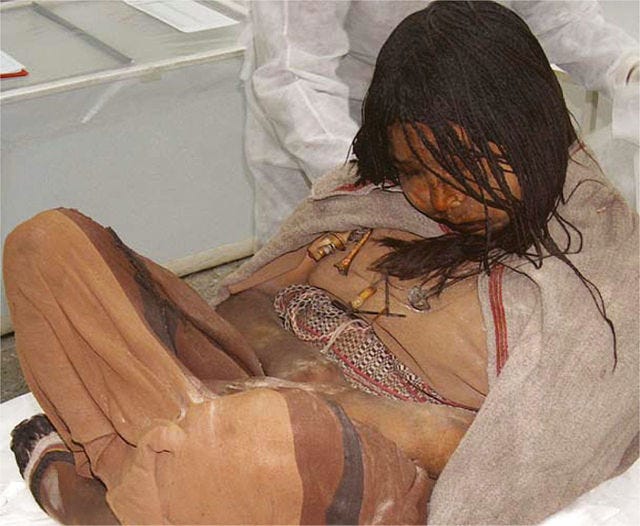
The North West of Argentina was the southernmost extent of the Inca empire. The Museo de Arqueología de Alta Montaña displays the Children of Llullaillaco mummies — three well-preserved 500-year-old mummies of Inca children.

These mummies were discovered on a mountain top in Salta province in 1999. Archaeologists believe they were left to freeze to death as a sacrifice to the gods. The mummies had corn liquor in their stomachs, believed to have been used to put them to sleep.

You are not permitted to take photos of the mummies but I found these photos on Wiki Commons.
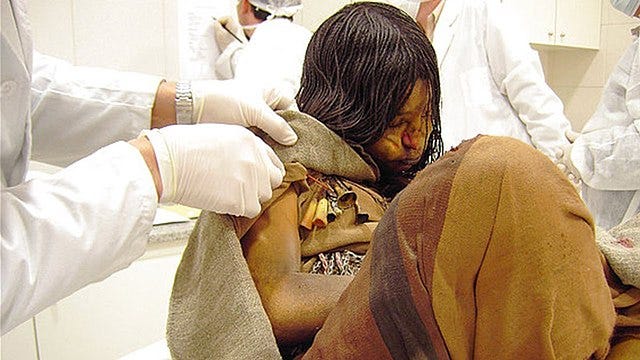
An archaeologist inspects the astonishing 500-year-old-mummy of an Inca child — grooverpedro Wiki Commons
A Child of Llullaillaco mummy — grooverpedro Wiki Commons

After three or four days of getting the flavour of Salta, the coach station was our next point of call. We were off to find more evidence of the children of Llullaillaco’s past. And that of Alejandra’s.

Cafayate

Cafayate may have been named after the tribe who used to live here, but the local industry is wine. That was the main attraction for me if I’m honest.

The indigenous peoples of Argentina didn’t have wine, they drank Chicha which is a corn beer. Vines were brought to South America by the conquistadors in the 16th century.

Despite Cafayate being the centre of the region’s wine industry, or maybe because of it, this is a sleepy town.
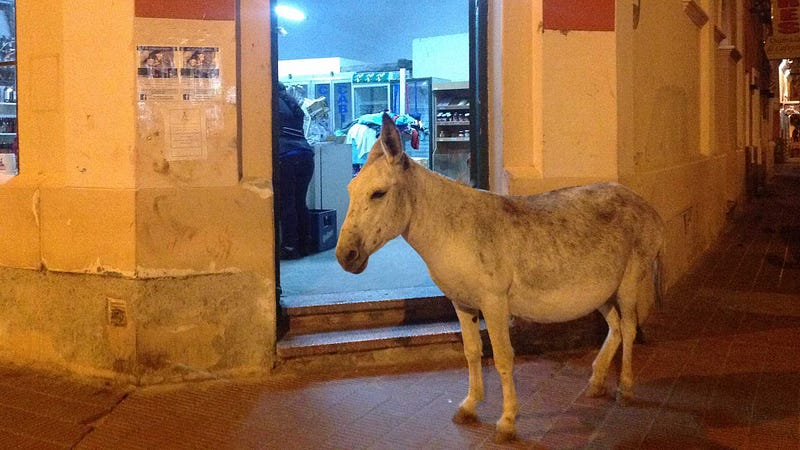
A donkey waits outside a shop for reasons that were not obvious — photo by the author

Recognising that Alejandra has Spanish and Italian ancestry too, we put the indigenous search to one side and decided this part of the trip would about be my favourite topic — wine. Well, joint-favourite with music and football.

So what do you do when you’re in wine country? Yep, you go wine tasting.
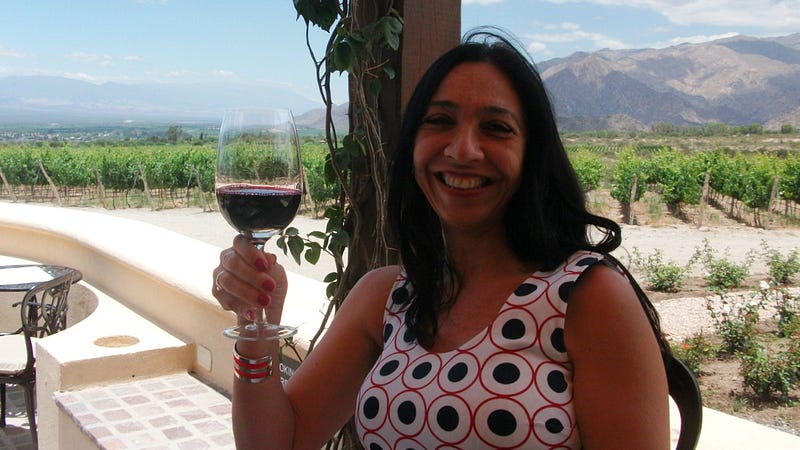
Sampling Cafayate Malbec at a local vineyard. By her grin, it looks like Alejandra is on her third or fourth glass. (Photo by the author — surprisingly in focus)

The signature wine of Salta is Torrentés, a fruity white. They also produce rich high-altitude Malbecs that are very different from those of the country’s principal wine region, Mendoza. Salta wines are hard to find in Europe.
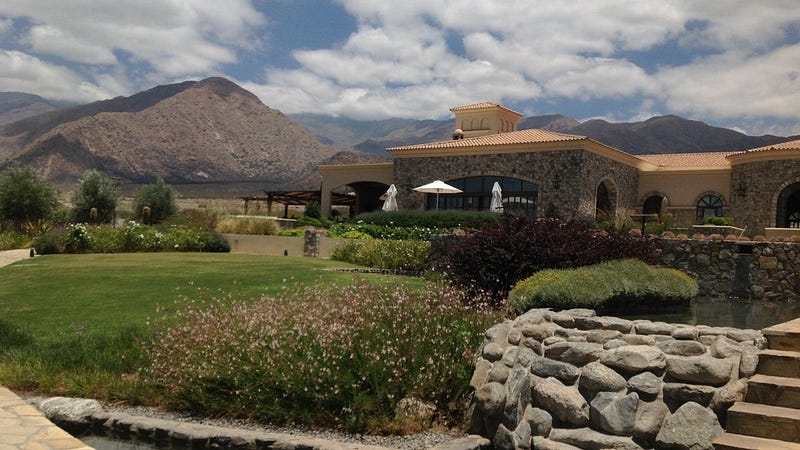
The amazing location for the vineyard in Cafayate — photo by the author

The Quebrada de las Conchas

The next day, after an early night, Ibuprofen and a couple of pints of water due to our exuberant wine tasting, we finally went in search of Salta’s past.

We joined a minibus tour from the bus station to spend a day hiking and touring the Quebrada de las Conchas — the Ravine of the Shells.
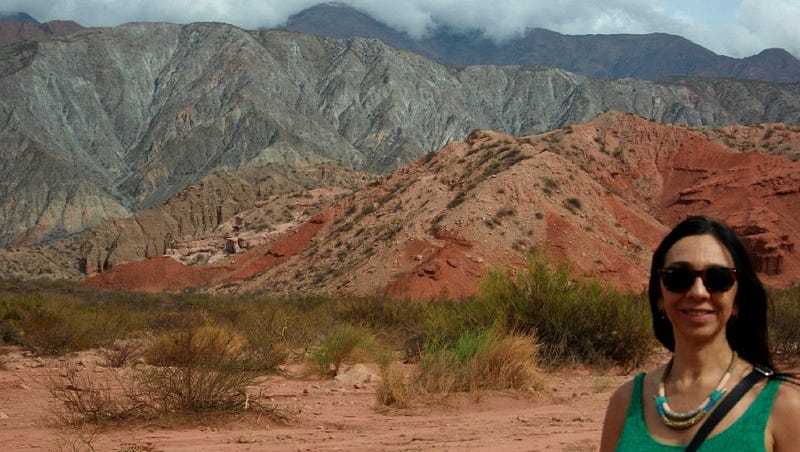
Alejandra at the Quebrada de las Conchas. She’s probably wearing sunglasses to hide the effects of the wine tasting — photo by the author

The ravine is a 26,000 hectares / 62,000 acres protected reserve. The rocks are various shades of red and it has a number of striking geological formations.
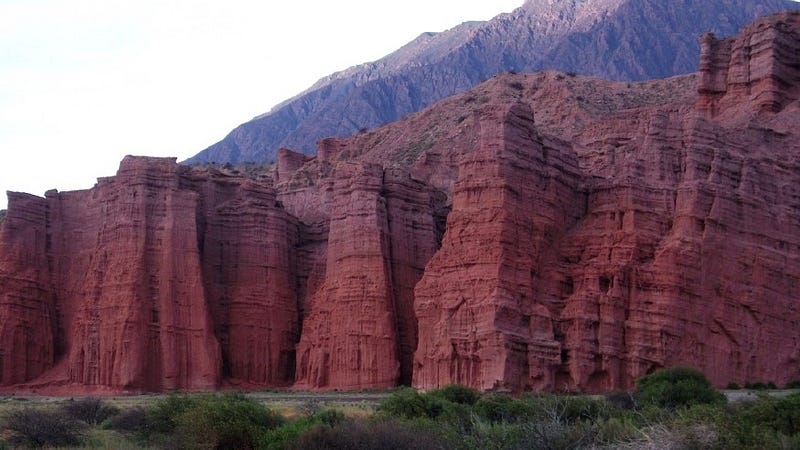
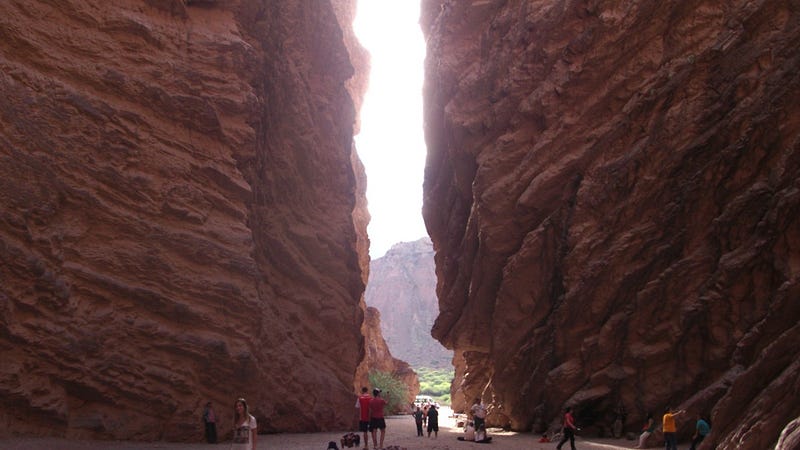
Rock formations of the Quebrada de las Conchas — photo by the author
La Garganta del Diablo, The Devil’s Throat — photo by the author

We booked a hike. Health and safety regulations don’t seem to exist here. The guide pointed in the approximate direction and said he’d meet us at the other end two hours later. A hike across a desert. Without a guide.
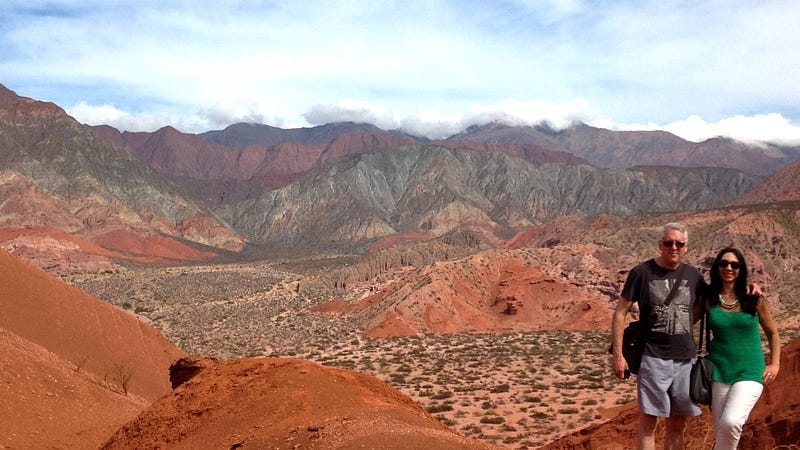
Posing just before we set off somewhere into the Quebrada de las Concha desert — photo owned by the author

After arriving at the meeting point thanks to a good sense of direction and significant luck, we woke the guide from his siesta and returned to town for the next leg of the trip.

Cachi

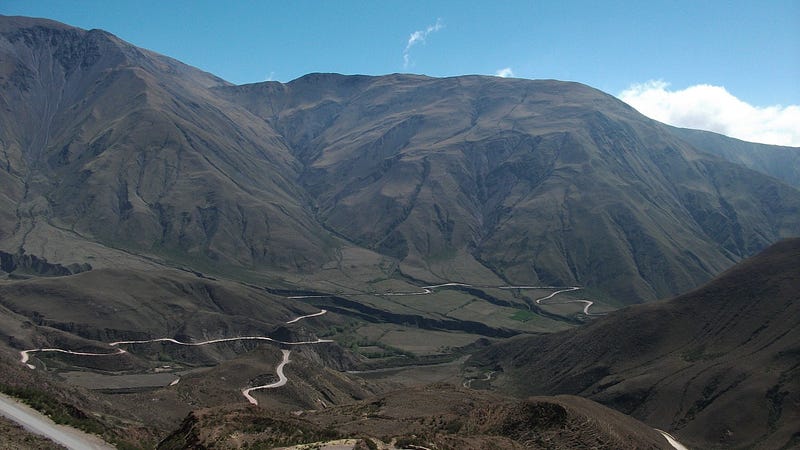
The 100-mile route from Cafayate to Cachi follows the Calchaquíes Valley. Now we’re deep in Salta’s indigenous past.
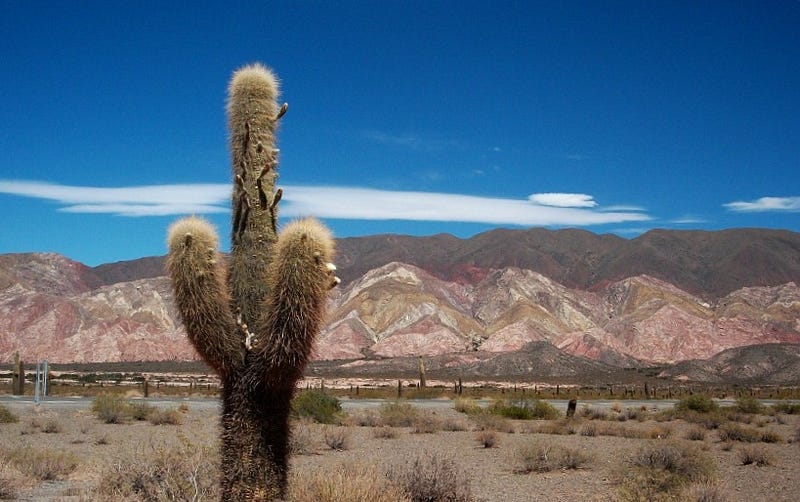
En route from Cafayate to Cachi — photo by the author
En route to Cachi — photo by the author

Cachi is a small town in the Calchaquíes Valley. It’s higher, sleepier, fresher, and smaller than Cafayate, with adobe houses, white colonial buildings, and a 16th-century Spanish colonial church.

It has the world’s highest commercial vineyard, over 10,000 feet above sea level. I know, the indigenous peoples didn’t have wine but what can I do?
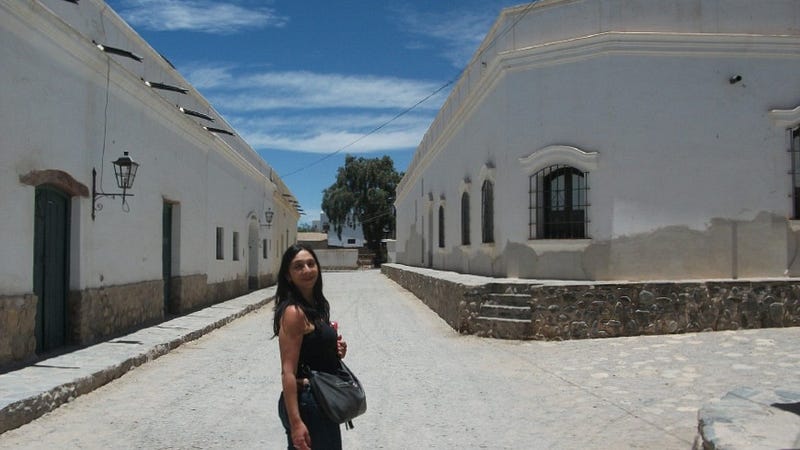
Alejandra in Cachi main street. Did her ancestors once tread these streets? — photo by the author

There is a reconstructed Inca-period village on the edge of town. It was rebuilt using the original materials found on the site and from the local area.
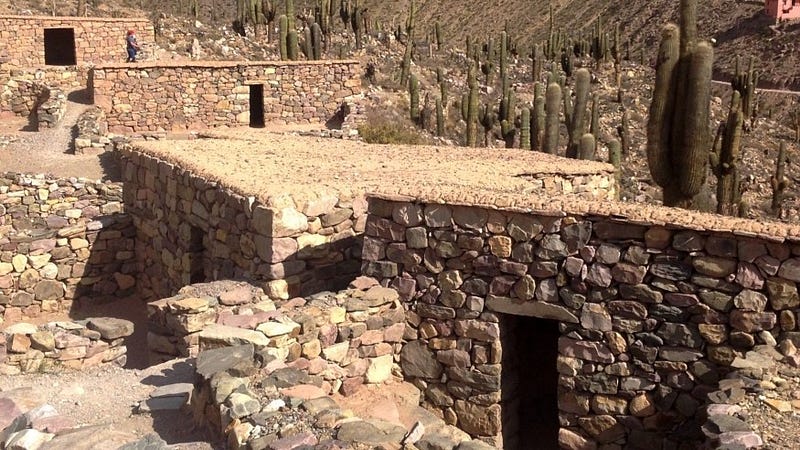
Reconstructed Inca homes in Cachi — photo by the author

The centre of the Inca village has a small reconstructed temple. It’s not quite Machu Pichu, but it’s nice enough.
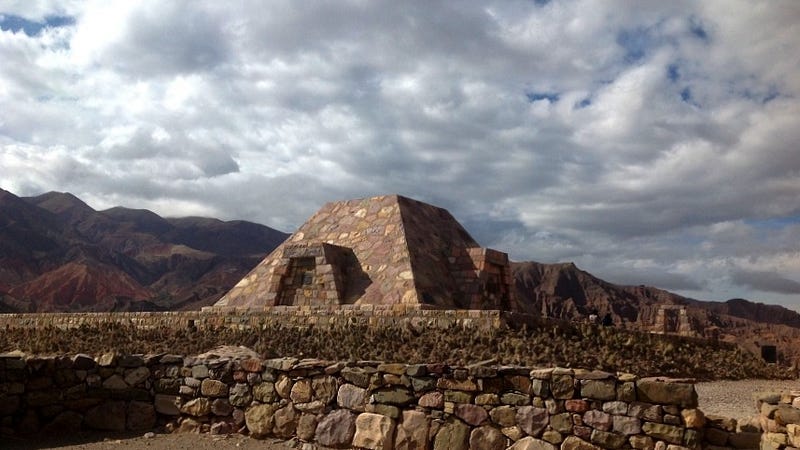
Reconstructed Inca temple in Cachi — photo by the author

Las Salinas Grandes (The Great Saltworks)

We arrived at the chilled rarified air of the Salinas Grandes after a day trip from Cachi. We hired a car and driver and shared the ride with another couple. The drivers tout for business around the bus station and are not a lot more expensive than taking the coach if there are four of you.

The Salinas Grandes are over 11,000 feet above sea level.
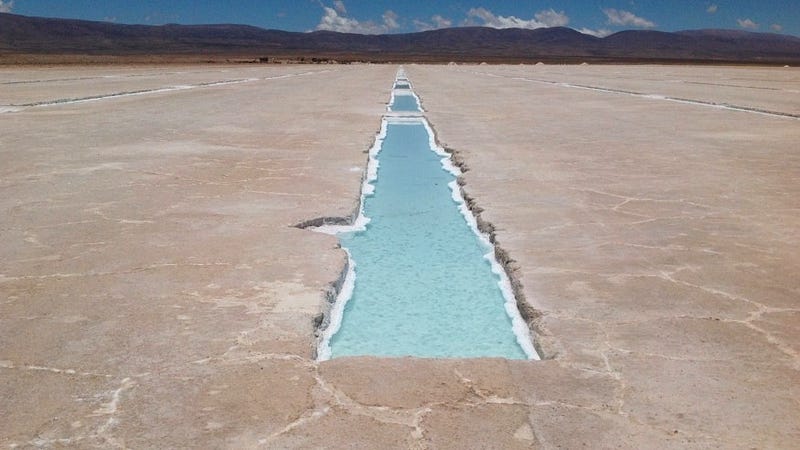
Las Salinas Grandas in northwest Argentina — photo by the author

The Salinas Grandes are mined for precious minerals, as well as for salt. This continues to cause problems for the local people due to the effect of the mining on water levels.
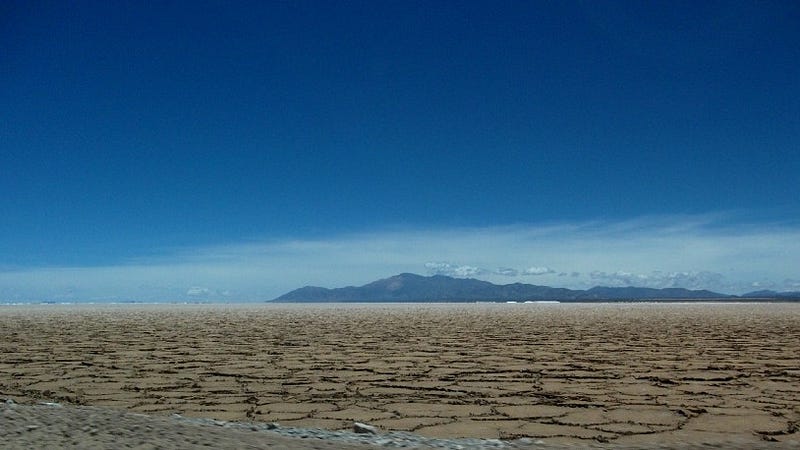
Looking across the moonscape-like flat expanse of the Salinas Grandes — photo by the author

Back to Base

Our flight back to Buenos Aires was from Jujuy City, the capital of Jujuy province next to Salta. We’d expected to find a gem like Salta City but Jujuy City was a long-faded glory.

The northwest of Argentina is well-known to the Argentinians but less so to those from outside the country. It’s a hidden tranquil gem with very few foreign tourists and amazing natural and man-made sights. And the wine. Don’t forget the wine.

Thank you to Warren Patterson for The Best Place I’ve Been writing prompt in Globetrotters travel publication.

Take a look at another response to the same writing prompt of Globetrotters. It’s from Anne Bonfert and is a very different best place from any other’s choice of best place— the Namibian Desert.

And while we’re on the topic of unusual places to visit, here’s one I’d like to visit but obviously haven’t managed it yet. On the bucket list then.

Gain access to thousands of articles and stories like this one for just $5 a month. Click here to become a Medium member. This is an affiliate link and won’t cost you anything extra but I’ll earn a small commission.

Travel
Globetrotter
Argentina
Travel Writing
Traveling
Recommended from ReadMedium