
Salmon Skin Chips: Trending in the Upcycled Snacks Market
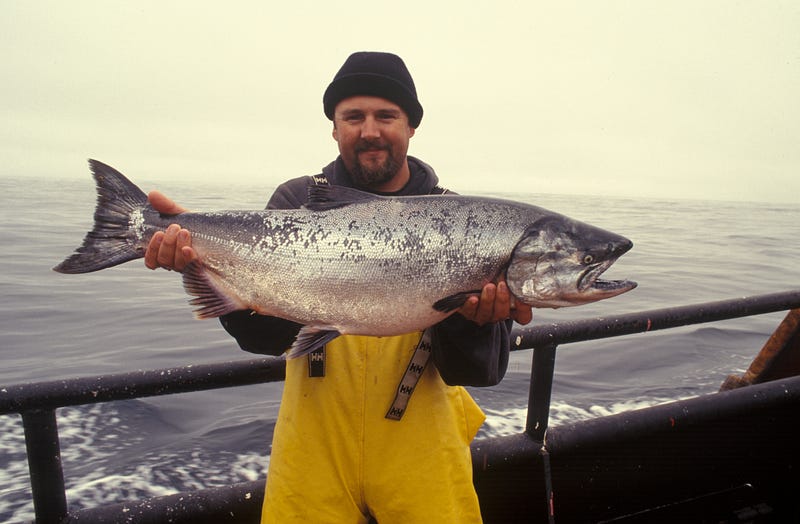
Today I’ve got a food trend to share with you. There is currently a massive demand for salmon skin chips. You either like them, or you don’t. I have a feeling that you’re probably saying, “No thanks!” or “Sounds interesting!”
The demand is two-fold. First is the trend for keto-friendly snacks. And second is a big trend for upcycled foods.
Keto and protein-rich diets
If you’ve been living in a cave and have never heard of a keto diet, this is a very low-carb diet that produces ketosis in the body. Ketosis is when the body burns fat for energy instead of carbohydrates.
So, people on a keto diet are always looking for snacks that fit their macros, and salmon skin chips do just that. They’re also gluten-free, grain-free, Paleo-friendly, and high in protein.
Food upcycling
What do you do with your food scraps? Like most people, you probably just toss them in the trash. But what if there was another way to use them? Upcycling is the process of turning waste materials into new products. It can be done with all sorts of things, including food!
The popularity of upcycling is growing as more and more people become interested in reducing their environmental impact. There are now dozens of websites and online communities devoted to upcycling. There are even some upcycling businesses popping up. Upcycling is not only a great way to reuse materials that would otherwise be thrown away, but it’s a fun and creative way to invent new products.
Some examples of upcycling products include:
- Fruit leather: This is a popular upcycled product made from fruit scraps. You simply blend up your fruit scraps and spread them onto a dehydrator tray to make fruit leather. Then, you dehydrate the mixture until it is leathery and pliable. You can store fruit leather in the fridge or freezer for later use.
- Veggie chips: Another great way to use food scraps is to make veggie chips! To make veggie chips, you simply slice up your veggies thinly and bake them in the oven until they are crispy. You can season them however you like, and they make a great snack or side dish.
- Compost: Compost is a great way to turn food scraps into something useful. You can use compost to fertilize your plants or improve your soil. To make compost, you simply need to put your food scraps in a compost bin and let them break down over time.
Salmon Skin Chips
Salmon skin chips are an example of an upcycled snack product. The skins are a by-product of the salmon filleting process. So, instead of throwing them away, they’re being used to make a delicious and healthy snack!
One company producing 8 types of flavored salmon skin chips is Good Fish. It is a company supported by the global icon, adventurer, and survivalist Bear Grylls together with Harmless Harvest founders Douglas Riboud and Justin Guilbert.
Another company producing flavored salmon skin chips is Williwaw Foods, a Chilean company founded by a group of friends. They were inspired to create this innovative snack while exploring the mountains of Patagonia.
SeaChips is a UK producer of flavored salmon skin chips that are good for you and good for the planet.
However, perhaps you would prefer to make your own. In that case, you can find numerous recipes online, such as this one for “The Crispiest Fish Skin Chips” from Mary’s Happy Belly (and “no” it’s not MY belly we’re talking about here!)
Hopefully, this has not only inspired you to try salmon skin chips when you have a chance but also to start upcycling your own food waste. It’s a great way to have a positive effect on the environment and create new products in the process.
Do you have any tips for upcycling food? If so, please leave a comment with your ideas.
If you enjoy reading stories like these and want to support me as a writer, consider signing up to become a Medium member. It’s $5 a month, giving you unlimited access to stories on Medium. If you sign up using my link, I’ll earn a small commission.