
Saladin: The Noble Warrior of Jerusalem
A Tale of Courage Compassion and Generosity in the Era of the Crusades
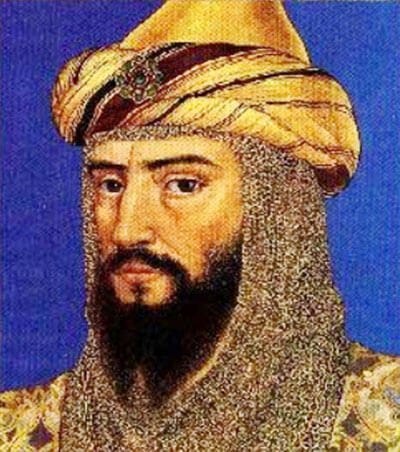
Saladin whose full name is Salah ad-Din Yusuf ibn Ayyub was a courageous and respected Muslim leader from the 12th century. He was born in 1137 in Tikrit a town in present-day Iraq. His family was of Kurdish origin and Saladin grew up in a noble and well-respected household. Even from a young age he showed exceptional intelligence and a strong interest in military and political affairs.
During his early years Saladin received a good education in the Islamic sciences literature and military strategies. He also learned valuable lessons from his uncle Shirkuh a renowned military commander. Shirkuh took Saladin under his wing and mentored him teaching him the ways of leadership and warfare.
Saladin’s journey to conquer Jerusalem began in 1174 when he became the sultan of Egypt and Syria. He quickly established himself as a capable and wise ruler earning the respect of both his allies and adversaries. His conquests in Egypt and Syria strengthened his position and he soon set his sights on the city of Jerusalem which was under the control of the Christian Crusaders at the time.

In 1187 Saladin’s forces faced the Crusader army led by King Guy of Jerusalem at the Battle of Hattin. Despite being outnumbered Saladin’s tactical brilliance led to a decisive victory allowing him to regain control of Jerusalem. Instead of seeking revenge or causing further bloodshed Saladin displayed remarkable compassion and chivalry allowing the citizens of Jerusalem to leave safely if they paid a ransom.
His capture of Jerusalem marked a significant turning point in the history of the Crusades. Saladin’s actions and conduct earned him admiration even among his enemies who recognized his sense of honor and fairness. His magnanimous behavior showcased his character as a noble and just ruler revered not only by Muslims but also by those of other faiths.
His Good Will And Love For Humanity
Saladin’s conquest of Jerusalem was preceded by the decisive Battle of Hattin in 1187 where his forces faced the Christian Crusaders led by King Guy of Jerusalem. Despite the Crusaders’ numerical advantage Saladin’s strategic brilliance and well-coordinated maneuvers resulted in a resounding victory for the Muslim forces. This triumph paved the way for the recapture of Jerusalem a significant achievement that brought the city back under Muslim rule after almost a century of Christian control.
Following the conquest Saladin demonstrated a remarkable display of compassion and kindness that would be remembered for generations. Rather than resorting to a brutal siege or indiscriminate massacre Saladin extended an offer of amnesty and protection to the inhabitants of Jerusalem. He allowed the city’s Christian population to leave safely provided they paid a reasonable ransom. Saladin’s conduct reflected his deep sense of justice and respect for human life setting a standard of moral conduct that transcended religious and cultural boundaries.
His gesture of mercy and fairness during the capture of Jerusalem earned him the admiration of his supporters and adversaries. His acts of kindness and benevolence stood out as rare examples of humanity during a time marked by intense religious conflict and hate. Saladin’s magnanimous behavior also garnered praise from European chroniclers who recognized his nobility and integrity despite their differing religious affiliations.
Saladin’s commitment to chivalry and honorable conduct in warfare became a defining aspect of his legacy. His leadership exemplified the importance of empathy and understanding even in the face of conflict. His ability to combine military strength with compassion remains an enduring symbol of ethical leadership. It has solidified his place in history as one of the most respected and admired figures of the medieval era.
Saladin’s life and conquests left a lasting legacy illustrating the importance of leadership compassion and respect in times of conflict. His commitment to chivalry and fairness in warfare continues to inspire admiration and respect centuries later.
I am Hamza Shafiq. I write about facts, poems, history, and entertainment follow and subscribe so you can get the best experience of writing