
Safety through Trust: Sports Events after COVID-19
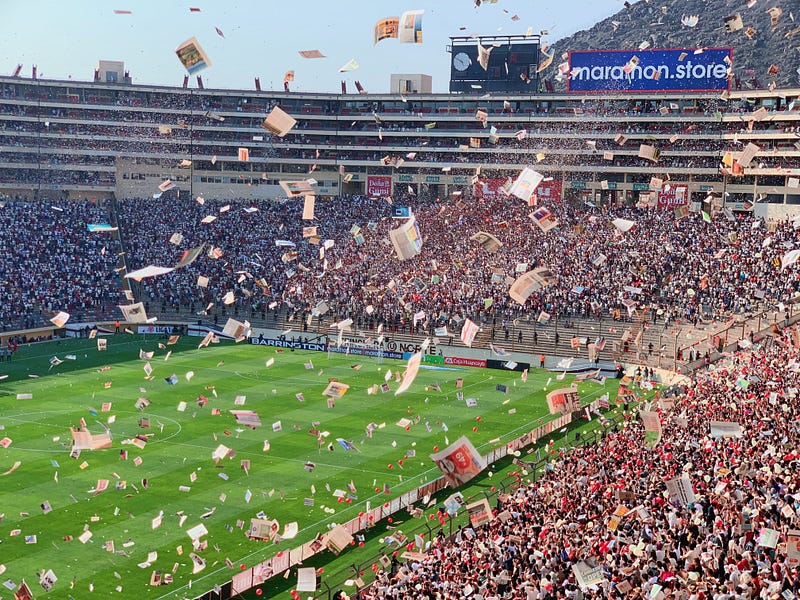
The sports events industry was among those hit the hardest by the SARS-CoV-2 pandemic. Now, with the global economy on a steady path towards recovery, event organizers need to come up with effective ways of creating safe environments for fans and athletes. Interestingly, at least some of these measures can actually have lasting beneficial effects, creating value for organizations as well as visitors.
Changing Landscape of the Sports Industry
The COVID-19 outbreak has had a profound impact on the industries that deal with large gatherings, and sports events are not an exception. In addition to ruining an important social activity, it had an adverse effect on a broad range of stakeholders, from business owners and investors to media organizations and suppliers to athletes and clubs.
Financial losses are without a doubt the most apparent immediate outcome. However, in the long run, the net effect on the ecosystem will be more nuanced. The latest report by Deloitte anticipates changes in the following areas:
- Reviewing and adjusting competitions and calendars;
- Coming up with the new operating models;
- Broadening commercial relationships;
- Rethinking approaches to fan engagement;
- Diversifying investment;
- Reevaluating physical and digital venues
The latter is particularly interesting. The shift towards digital-first services remains among the most popular responses to the pandemic. Still, in the case of the sports industry, where the collective component is crucial to the experience, it is a poor fit. In fact, the surveys indicate that fans are not only confident about the recovery of sports events but also show high levels of adherence to safety guidelines. Thus, with the right policies and technology in place, the recovery of sports may actually be in the vicinity.
Challenges for Sports Organizations
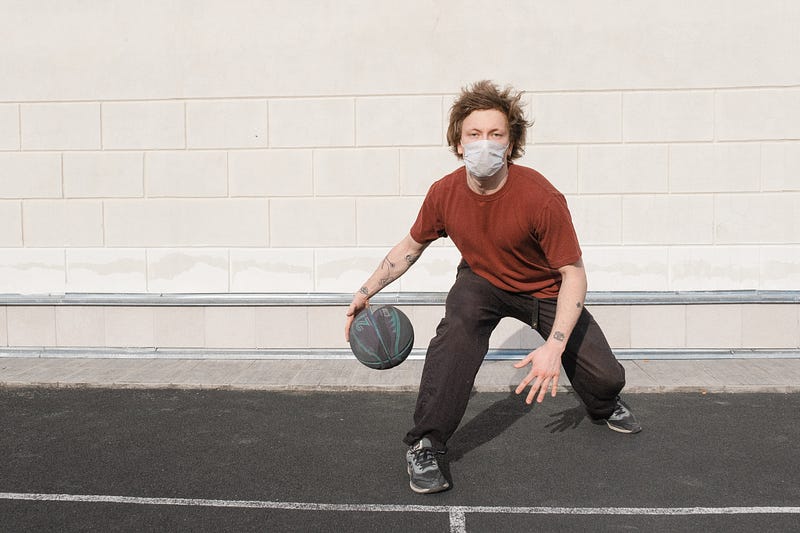
Setting the financial and insurance concerns aside, the main challenge for both visitors and operators is minimizing the risk of gatherings for public health. Unfortunately, most of the precautions are implemented by sacrificing some degree of convenience. So the key questions for organizations will be how to prevent the spread of infection without ruining the attractiveness of sports and public gatherings. In addition, organizers should be able to demonstrate the effectiveness of their measures to both visitors and regulatory bodies to establish trust and a sense of safety. In other words, any introduced measures should be:
- Provably effective
- Efficient for large-scale operations
- Convenient for customers
Any measure that satisfies these requirements will not only help in combating the pandemic but may actually add value to the industry in the long term.
Making Sports Events Safer
Cleaning and Disinfection
One of the main lines of defense against the coronavirus is disinfection. In public places, this involves cleaning the high-touch surfaces through which the infection can be contracted, as well as equipment and, occasionally, personal belongings of the visitors. The main challenge here is time: it is trivial to find an exhaustive list of disinfection solutions from a reputable source and use them for cleaning, yet arranging a seamless sanitation procedure during a regular-sized sports event is on an entirely different level.
One possible way of getting around this issue is a mist disinfection channel which treats the objects passing through it with a disinfectant atomized into tiny particles. The size of the particles allows evenly distributing the solution along complex surfaces in a relatively short time and does not leave any moisture, making it acceptable for public spaces. Disinfection channels have been used in the healthcare domain alongside other innovative safety measures. Once their advantages became clear, the approach was adopted by other industries where time and customer satisfaction are critical. A good example is the airline industry, with several airports implementing fogging units to deal with high passenger traffic.
Communicating the Change
On its own, the implementation of sanitation measures is not enough to convince the public — demonstrating its effectiveness is equally important. So, venues might want to find ways of communicating their efforts to the visitors. Things like posters, reminders, and announcements listing the precautions taken by the administration can contribute to the sense of trust and show the organizers’ commitment to overcoming the crisis. At the same time, this information will help familiarize the audience with novel disinfection measures.
Rethinking the Norms
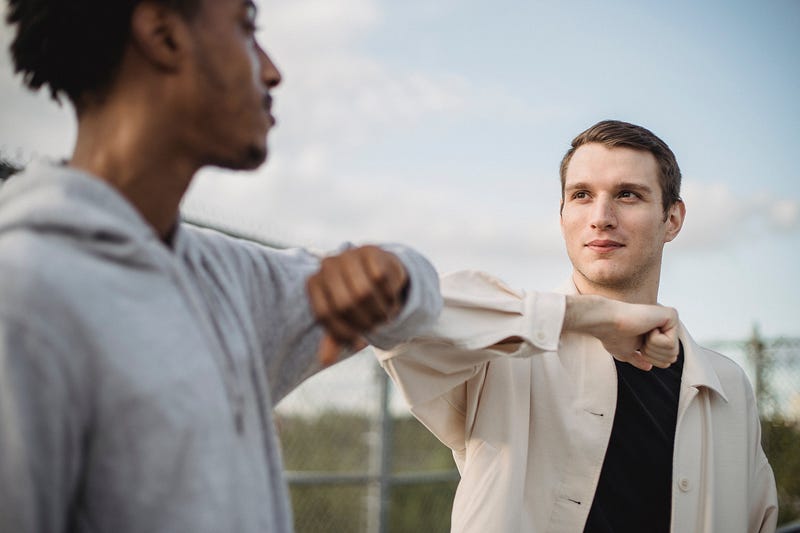
The final component of establishing a safe environment for sports events is encouraging safe behaviors. This is perhaps the most elaborate part of the problem as it usually requires much time to accomplish. After all, the requirement to wear a mask in public is still causing a strong pushback from a major subset of the population. However, the situation is gradually changing for the better.
On the one hand, people already have a better understanding of risks, so adherence to respiratory etiquette will be even higher in 2021. In fact, the results of the survey mentioned above prove the same — people agree on the significance of safety measures and use them accordingly. On the other hand, many disinfection solutions for offline events are designed to encourage safe behaviors, e.g. by detecting masks and monitoring body temperatures. In combination, these factors can help to establish a culture of trust on the level of group dynamics, creating a safe and respectful environment.
The Future of Sports Events
In many domains, the main response to the coronavirus pandemic was a shift towards virtual services. Without a doubt, the sports industry will have its fair share of innovation, such as virtual events and other non-conventional solutions. However, in most cases, we will probably see incremental changes to a familiar offline format. Smart sanitation measures in line with clearer communication of safe behaviors may actually strengthen the sense of community during such events, resulting in a more enjoyable experience.