
Safety First! A Guide to Avoiding Injury During Resistance Training
How to prepare, work out, and recover for maximum gains and minimum risk
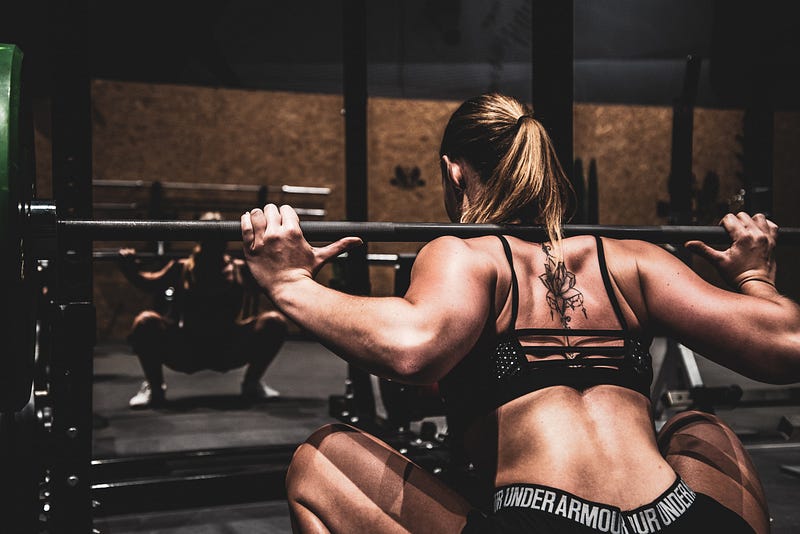
Safety is perhaps the least sexy topic when it comes to discussing physical training. It is more interesting to talk about our body goals and how to make improvements in size, strength, speed, agility, and/or flexibility. However, failure to observe training safety can easily result in injury, setting back our training, and ultimately compromising our ability to achieve our objectives.
THE PARADOXICAL RELATIONSHIP BETWEEN EXERCISE AND INJURY
Exercise, especially resistance training, reduces the risk of musculoskeletal injury in several ways:
- Resistance training increases bone mineral density. This reduces the risk of bone diseases such as osteoporosis as well as injuries such as bone fractures.
- Resistance training builds lean muscle. By slowing down sarcopenia (age-related loss of lean muscle), resistance training can mitigate the loss of functional ability, lower the risk of fractures and falls, and reduce low back pain and musculoskeletal injuries.
- Resistance training can enhance the elasticity of the body’s connective tissues. This is because the muscle growth associated with resistance training is accompanied by an increase in the collagen content of connective tissues.
However, there is a paradox in that resistance training is both a means of reducing the risk of injury as well as a potential cause for injury. This applies to both beginner and experienced lifters alike.
Deconditioned individuals accustomed to a sedentary lifestyle face a greater risk of injury. Not only can the mechanics of exercise feel alien, but the muscles, joints, and ligaments are not used to the stress of resistance training. Acute injuries can easily occur as a result. These range from the more common muscle strains and ligament sprains to more serious injuries such as bone fractures, concussions, anterior cruciate ligament (ACL) and meniscus tears in the knee, rotator cuff tears, etc.
Experienced lifters are not spared from the risk of injury either. There is a greater risk of chronic injuries stemming from the overuse and overloading of the muscles and joints. Common chronic injuries include tendonitis (for example in the rotator cuff, elbow, wrist, knee, and Achilles tendon), stress fractures, runner’s knee, shin splints, heel inflammation, etc.
To reduce the risk of injury, it is important to pay attention to all three phases of resistance training, namely preparation, work-out, and recovery.
PHASE: PREPARATION
READY YOUR GEAR
- Clothing. Wear something that is physically and psychologically comfortable. The point is to minimize distractions. The clothing should allow you to move freely in all planes of motion. It should ideally wick moisture away and help cool the body. It should not be too tight or too loose; you do not want to be constantly adjusting your clothing while working out. Neither do you want to be self-conscious about your body; choose clothing that makes you confident and excited to work out.
- Shoes provide stability and shock absorption. Flat shoes (as compared to cushioned running shoes) can help with posture and form when lifting weights. Shoes also offer a measure of protection if you accidentally drop a weight on your foot.
- Weight-lifting gloves protect the tendons, especially those in the wrist and elbows, from excessive stress. They also improve grip, which can help you lift heavier while reducing the risk of dropping weights. Finally, gloves help prevent calluses, which are not an injury per se but might be a consideration for some of us nonetheless.
PLAN YOUR WORKOUT
- Exercise Selection. Decide in advance the muscle groups that you will train. Diversify the stimuli by using a variety of equipment, such as body weight, barbells, dumbbells, cable stations, resistance bands, machines, etc. By subjecting your joints and muscles to different ranges of motion and tensions, you can reduce the strain of repetitive movements and consequently the risk of overuse. Do not neglect the smaller muscle groups, such as rotator cuffs, forearms, adductors, and calves. They play an important role in muscular balance and joint stability, the lack of which can lead to weaknesses and potentially injury.
- Progressive overload. From the injury prevention perspective, the emphasis should be on “progressive” rather than “overload”. Calibrate the intensity and volume of the workout by increasing the weight or the number of repetitions by no more than 5 to 10% from the previous session.
FOCUS YOUR MIND
- You should be solely focused on your workout while at the gym. Unnecessary distractions such as phone calls, emails, and social media can result in injury. Consider a short meditation to focus your attention on the goals for the workout before starting.
PHASE: WORKOUT
WARM-UP
Do not head straight for the weights. A proper warm-up is essential to raise the body’s core temperature, increase blood flow to the muscles, activate the proprioceptors (for balance and coordination), and enhance the elasticity of the joints (for fuller range of motion). These will enable you to perform the exercises of your routine to maximum effect.
Devote at least 5 minutes to the warm-up. Focus on dynamic stretching that takes your joints and muscles through their full range of motion. The stretches should simulate the movements that you will be performing during the workout. Incorporate movements in all planes of movement.
For a lower-body workout, dynamic stretching can include air squats, lunges, butt kicks, high knees, etc. For an upper-body workout, consider arm circles, inchworm, shoulder dislocates (using a dowel or stick). Throw in some jumping jacks or burpees to work the whole body and get the blood flowing.
TRAINING
This is where the action happens. There are many things to pay attention to when performing any exercise. Focus is key.
Technique
Proper technique is critical for the prevention of injury. Pay attention to the following:
- Form. This refers to the proper alignment of the body, especially of the spine and the various joints, at all points of an exercise. Research how to do each exercise in your workout. The American Council on Exercise (ACE) has a great database. If you are new to resistance training, consider engaging a personal trainer. The trainer will instruct you on proper mechanics and spot you while you perform the exercises. It is also helpful to have the trainer make a video of you performing the exercises. You can review your form together in between sets.
- Range of Motion. This is defined as the distance the load moves on each repetition. Performing an exercise with partial rather than the full range of motion indicates poor body mechanics, which tends to foreshadow injury. Lifting with the full range of motion will not only ensure the proper activation of the working muscles but also promote muscular balance, joint stability, flexibility, and mobility. If you are unable to perform an exercise with the full range of motion without compromising your form, take it as a signal to lighten the weight. It is also advisable to use lighter weights when performing unfamiliar exercises to avoid injury.
- Mind-muscle connection. This refers to the act of consciously thinking about moving a targeted muscle during an exercise. The idea is to recruit and activate the relevant muscle fibers more effectively. Here are a few tips:
- Focus on working the muscle rather than lifting the weight. It can be useful to lighten the weight lifted to around 60% of your one-repetition max when trying to concentrate on the mind-muscle connection.
- Visualize the motion of the exercise.
- Perform a few warm-up sets to develop a feel of how the targeted muscle should contract and relax during an exercise.
- Slow down the tempo of each repetition, especially during the eccentric (lowering) phase.
- Flex in between sets to enhance muscle memory.
- If working out with a trainer or buddy, it can help to have them touch the muscles being worked.
Gym Etiquette
Good gym etiquette can help prevent avoidable injuries to yourself and others.
- Do not leave weights lying around, either by hogging a whole bunch of weights you are not using or failing to put them back on the rack.
- Safe distancing is not only for covid. Be aware of your surroundings and blind spots, especially when performing exercises that have swinging motions (like reverse flyes).
- Clean up after yourself. Apart from the fact that nobody wants to touch a sweaty barbell or bench, puddles of perspiration on the floor are a safety hazard.
- Avoid unnecessary noise. Excessive grunting/screaming or dropping weights can startle those working out around you and cause them to lose concentration.
COOL-DOWN
The workout does not end with the last set of cable flyes. Remember to leave time for a proper cool-down. Static stretching for 5 to 10 minutes is recommended.
PHASE: RECOVERY
ACTIVE RECOVERY
Low-intensity steady-state (LISS) cardiorespiratory exercise, such as a brisk walk, jog, swim, or yoga can promote recovery by increasing blood flow to the damaged muscle tissues and reduce post-workout stiffness. Self-myofascial release using a foam roller is a good idea.
GET SUFFICIENT REST
Allow your muscle tissues time to recover and grow. Rest each muscle group for at least 48 hours before training them again. Get sufficient sleep.
NUTRITION
Support muscle repair and growth by consuming adequate high-quality protein, as well as carbohydrates and fat.
TL;DR
Resistance training is important to build the muscular, bone, and joint strength needed to avoid injury. However, poorly designed and executed resistance training can cause the very injury you were hoping to prevent.
Here are 5 takeaways to help you avoid injury during resistance training:
- Consider working with a personal trainer, especially if you have not been exercising for some time. They can help to design an appropriate exercise program, instruct you on proper technique, and supervise your training so that you do not get injured.
- Pay attention to all three phases of resistance training, from preparation to the workout to the recovery stage.
- Good preparation is half the battle. Go to the gym with a game plan of what you want to achieve. Get into the right headspace.
- Good technique is paramount. Learn to master proper form, full range of motion, and the mind-muscle connection.
- Develop good habits, including making time for a proper warm-up and cool-down. Eat and rest well after the workout to maximize the gains from the workout.

You just read another post from In Fitness And In Health: a health and fitness community dedicated to sharing knowledge, lessons, and suggestions to living happier, healthier lives.
If you’d like to join our newsletter and receive more stories like this one, tap here.


