
Globetrotters September Travel Writing Prompt
Safari is the Kiswahili Word for Travel
When you are living in East Africa, the opportunities to see wildlife are limitless.
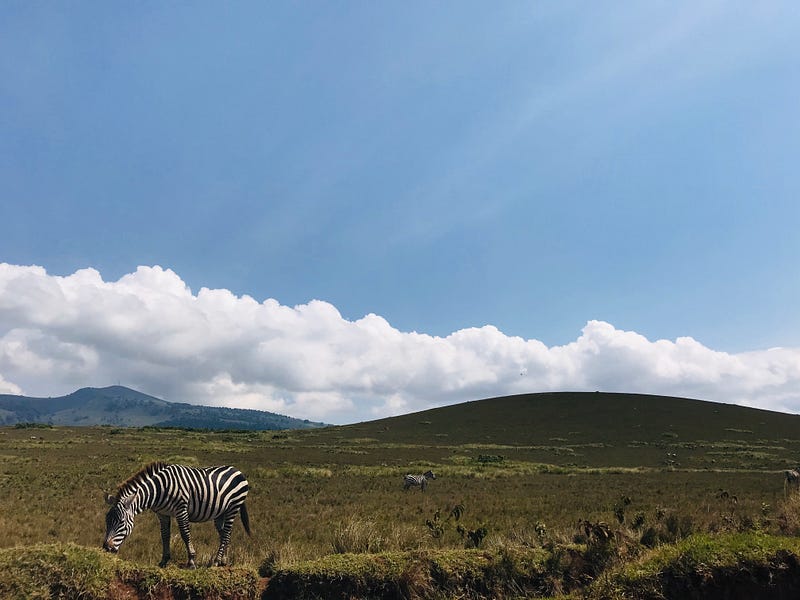
This of course assumes that you are into that sort of thing, and I have to admit that I’m not. Maybe I should state it a little more softly, given the nature of this month’s writing prompt: I’m not into animals enough that I’d want to plan my travels around them. But when you are living in that part of the world, when you are looking at wildlife on wide open plains, deep in lush jungles and from the surface of the bottomless blue sea, you’d be a fool not to get into it.
Despite our best efforts to screw them up, it is still possible to be in the natural habitats of gorillas, whale sharks and elephants and feel like you are not part of a mass tourism cliche. It is part of living there. People come from thousands of miles away at tremendous expense for this stuff that is just in your backyard.
And when opportunities present themselves, even if animals are not your thing, you learn to take them.
I could probably write a few articles here about my encounters with the animal kingdom while I lived in Africa. In fact, I did produce a three part sprawling epic about one encounter with a particularly hungry hyena in Botswana already (Part 1, Part 2 and Part 3).
I swam in the Indian Ocean off the coast of Mafia Island which is itself off the coast of Tanzania, while five metres below me, a school of whale sharks, each as long as a school bus and twice as wide glided along, seemingly unaware of the squad of scuba flippers thrashing the water to foam above them.
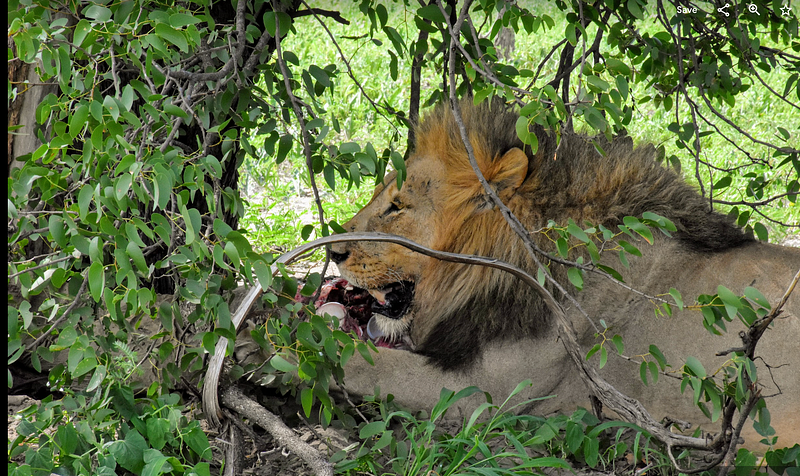
I watched a pride of 12–15 female lions take apart a freshly killed antelope under the shade of a tree at Mikumi National Park in Eastern Tanzania. It was fascinating to see the pecking order of who got what when.
I camped overnight not 50 metres from the edge of a hippopotamus pond on the boundary of Katavi National Park in Western Tanzania. The 4am sound of them waking up, moving out of their swampy homes and walking en masse to wherever they were going, while I huddled in the dark in my tent is something I will never forget.
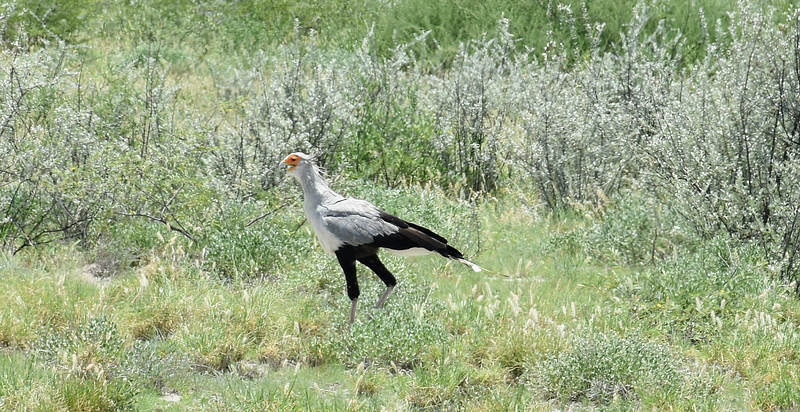
I became a birdwatcher in the Kalahari Desert in Central Botswana. I could spot you a Kori Bustard, a Secretary Bird or a Swallow Tailed Bee Eater from 100 metres away by the end of that trip.
The gorilla trek in Western Uganda in the Bwindi Impenetrable Forest was also a lifetime highlight. For an hour, in a jungle high in the mountains, I sat together with eight other people, a few guides and a family of gorillas in a clearing maybe 15 metres wide. They looked at us, we looked at them. We were fascinated, they couldn’t have cared less if we were there or not. They groomed each other, they played, they ate, they napped. We stared in stunned silence.
And not one of these things would I have planned on my own. Did I mention I’m not really into animals? It helped to be traveling with someone who definitely was and insisted that these experiences had to be had.
And they weren’t wrong.
The topper of all the toppers, however, was the three week long 4500km road trip lap of Tanzania that we undertook. As a teacher, I have been blessed with periods of extended holidays that have generally been used for travel. As an international teacher, the usual routine was to leave the country I was living and working in during those holidays. This was especially true during the summer break, which thereby left not much time to actually see much of the country beyond weekend trips from the city.
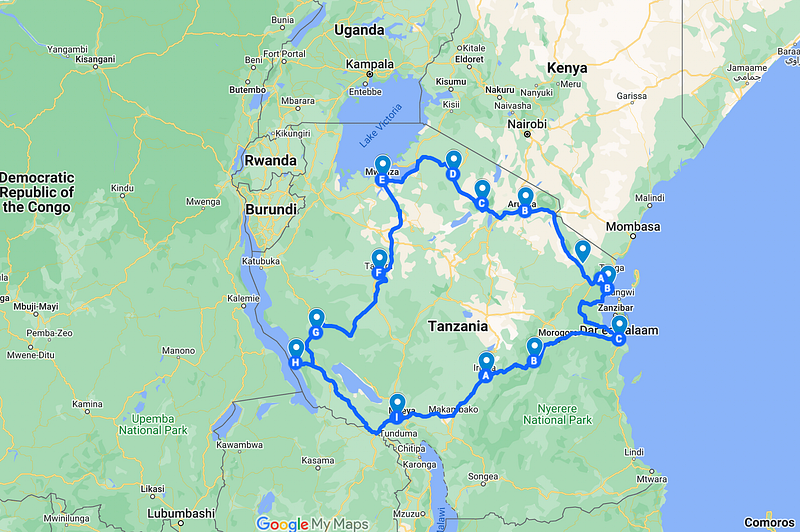
But Covid in the summer of 2000 meant that I couldn’t leave Tanzania and the six weeks between the end of one school year and the start of the next had to be filled. It’s a longer story, but due to the government’s insistence that Covid had been conquered, there was no lockdown. We were free to move about the country and there would be no better time to really see the place and not have to share it with planeloads of tourists.
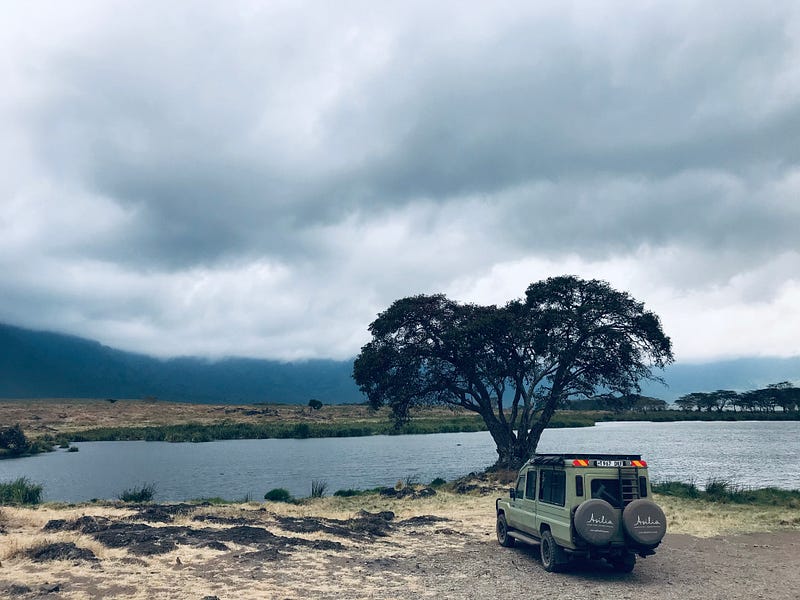
And the highlight of that driving extravaganza was the day-long safari in the Ngorongoro Crater in Northern Tanzania. Most people who make it to that particular country typically will do a combination of three things: Safari in the Serengeti, a climb of Mount Kilimanjaro and/or lazy days in Zanzibar.
But very few make it to Ngorongoro. It’s not easy to get to, for one thing, and they aren’t giving the accommodation away for free there, for another. But during Covid when no travellers or tourists were coming to Tanzania, we had the place in all its vastness virtually to ourselves, as well as some excellent deals on luxury safari hotels.
Though it is not a national park itself, Ngorongoro is a conservation area in which pastoral Maasai communities exist — having been moved there from the neighbouring Serengeti when the British created that park. It’s a UNESCO World Heritage Site and is not as much a crater as it is the top of a steep-sided volcanic caldera. The 260 square kilometres of the floor give a sense of vastness to the place.
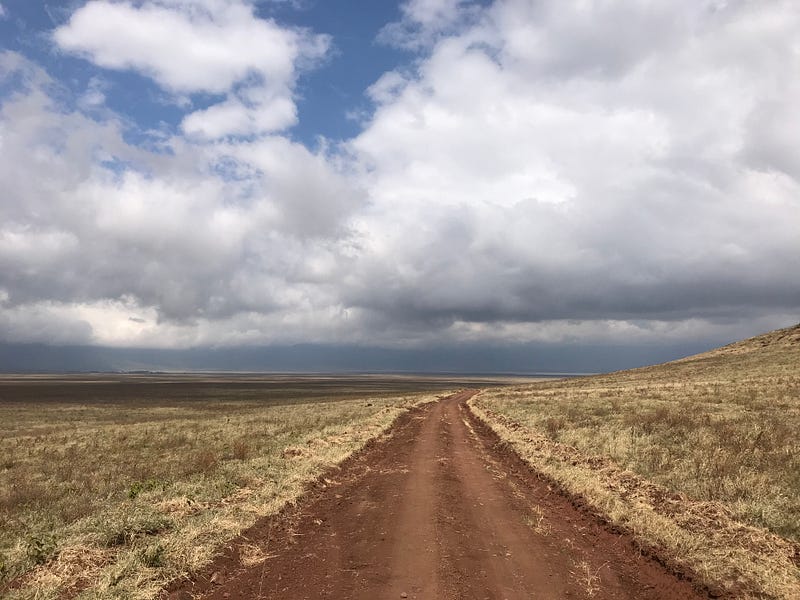
It has them all: elephants, wildebeests, warthogs, giraffes, antelope, water buffalo, baboons, zebras, lions, hyenas, jackals, copulating ostriches and rhinoceroses, though I never did see one of them. Added to this is the sight of human filled kitted out Land Rovers charging around just trying to get the right photos of it all.
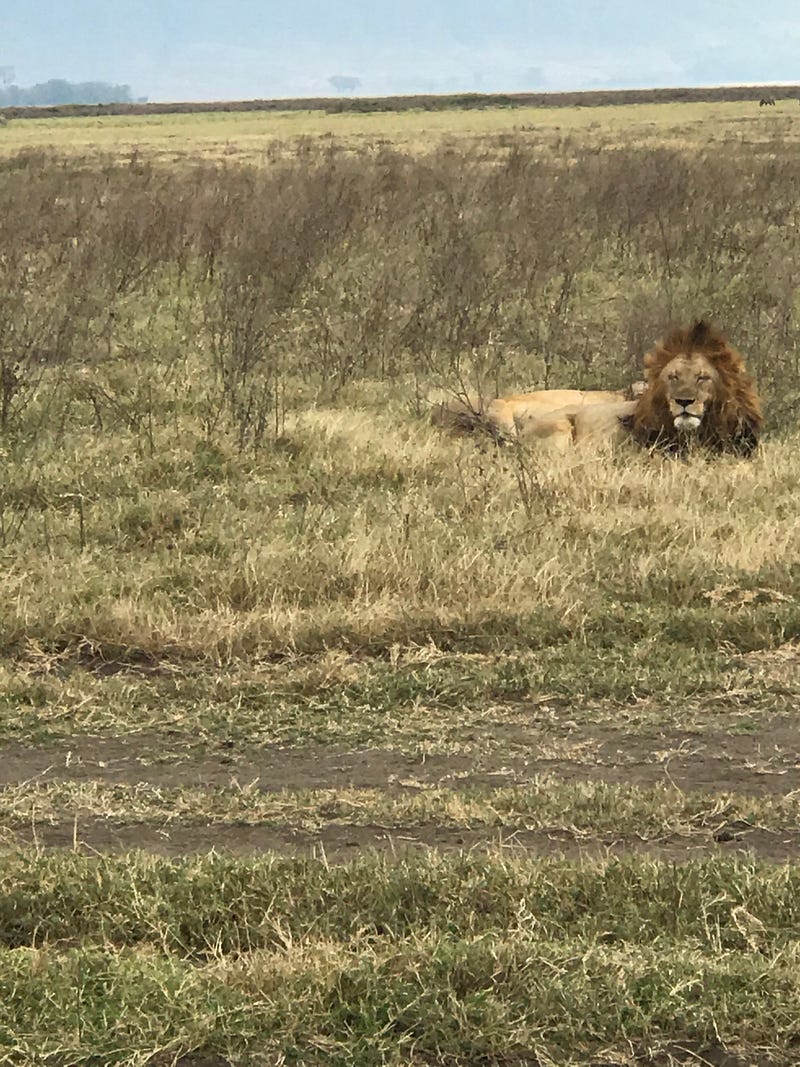
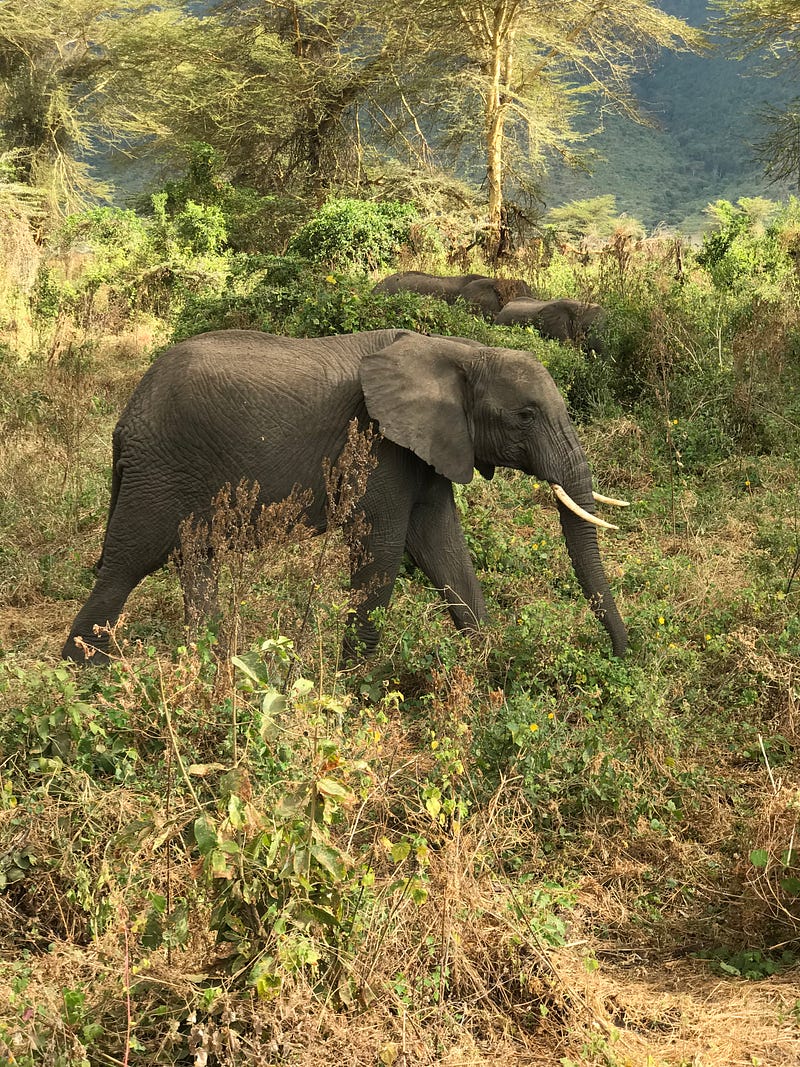
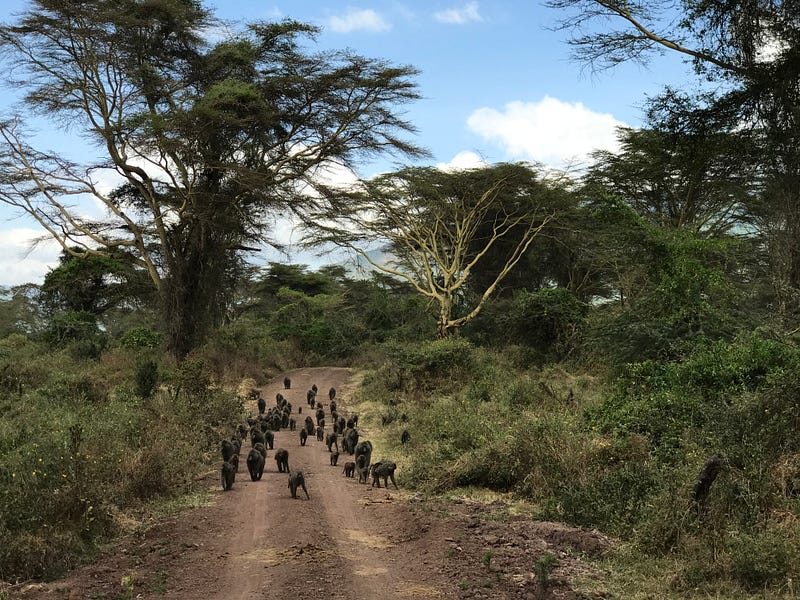
Typically for me, safaris are much like rounds of golf and booze cruises: after about an hour and a half, I have had enough and would be much happier doing something else. But again like golf and cruises, once you are in a safari, you are in a safari and it ain’t over til it’s over.
But this one was different. I really didn’t want it to end and the next day, I was ready for another one.
Maybe I am into animals after all.
Thanks to Anne Bonfert, Michele Maize, Jillian Amatt - Artistic Voyages, Adrienne Beaumont and JoAnn Ryan for putting together this prompt and for all the work they do in ensuring that quality travel writing has a great place to land at Globetrotters!
Want more? Here are a few articles that I have caught my attention lately:
Manas Patil wrote recently about a side of Indonesia that most travellers don’t get to:
Catherine Duchesne travelled on Vancouver Island in British Columbia this summer and so did I. What a place!


