
Sacred Service: Virgo & the Daughter of Sin
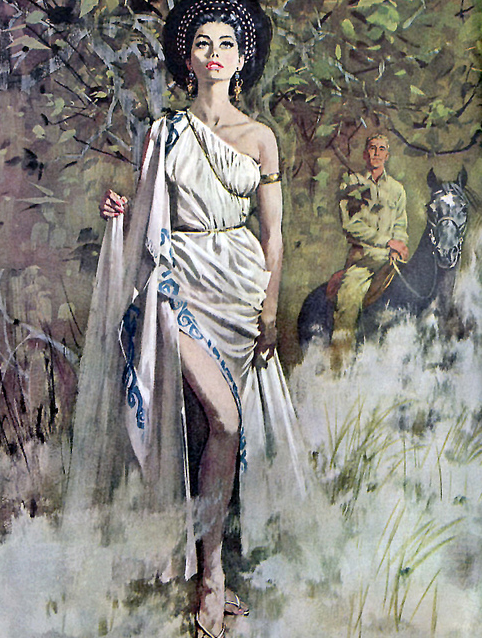
After the shining glory of Leo comes the austerity of the soul in Virgo. Its arrival on the horizon returns us to to the earth in a time when the ancients would have focused on the harvest and the preparation of fields for the winter season. It’s a place of receptivity, a bicorporeal sign owing to the constellation as a woman holding a stalk of wheat or, in some traditions, pregnant. Modern associations of its name piles assumptions on the sign — virginal, pure, self-sacrificing, clean. Victorian anthropologists writing through the lens of their social preoccupation with purity culture associated the sign with Isis by way of misalignment with the Virgin Mary, herself an icon of their unrealistic ideals: fruitfulness without the stain of Sin.
Perhaps it’s ironic that the Babylonian astrologers originally called this constellation Ab.Sin: the Daughter of Sin.
Not yet a synonymous with impropriety and evil, Sin was the Babylonian God of the Moon. As the Lord of Wisdom, he conferred knowledge of natural sciences, astrology, and sired two of the most important celestial bodies in the Babylonian pantheon. The Daughter of Sin was in fact Venus in her face as the Babylonian goddess of Love and War, Ishtar. Known in Sumeria as Inanna, she was one of the primary goddesses of the Mesopotamian diaspora and occupied positions of importance amongst not only women and warriors, but also kings, farmers, performers, magicians, and people on the fringes of society. This is where we glean the most information about her sign — the services she performed for Babylonian society through her unique cult of worship.
During the archeology crazy of the Victorian era, linguists took up cuniform and translated many of the songs and texts of Mesopotamian religion. Ishtar’s literature in particular deeply offended the delicate ears of the time: she was not the goddess of love as the Victorians upheld it, the Virginal Mother Goddess central to their Christian worship. The Victorians came looking for the Virgin Mary but what they found was a very different biblical woman. In her texts, Ishtar speaks frankly about her desires, commands her will with confidence and strength, often speaking directly of her sexual desires and bodily needs. In their shock of finding the goddess less-than-chaste, historians did what they do best: they slapped their own modern lens over her literature and labeled her according to their own values. Ishtar, they decided, was the Whore of Babylon herself and her servants perpetuated a barbaric cult of ritual prostitution.
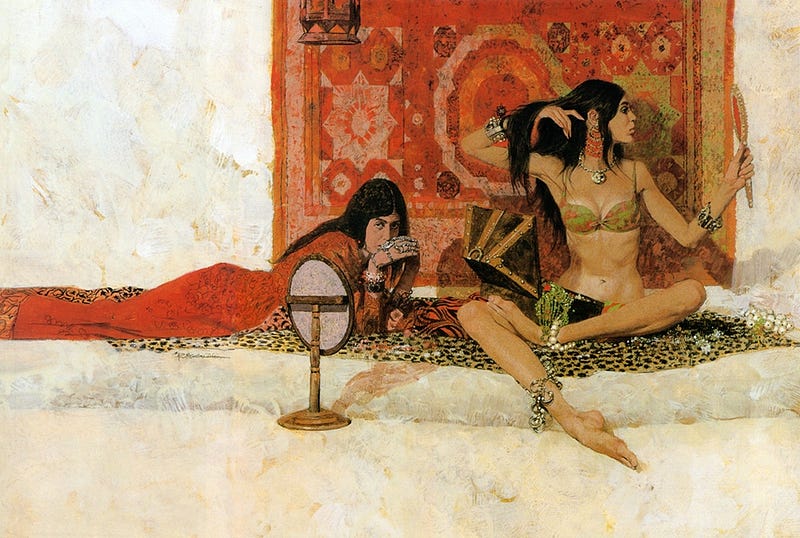
There is evidence that sex work flourished in ancient Mesopotamia but it had little to do with their goddess worship. We can’t blame the Victorians alone for their misinterpretation of Ishtar’s cult: as far back as the classical era, Herodotus exoticized Babylonian temples, writing florid accounts in which every woman in the city, regardless of how high born or connected, must pilgrimage to Ishtar’s temple and sell herself into sexual acts as a tithe. It’s unlikely this ever happened as Herodotus’ is the only example of what would likely have been a city-wide decree. Instead what we find in contemporary documents are mention of legal classes and professions which seem central to Ishtar’s worship, often mistranslated and generalized as sex workers. The assinnu and kurgarru were likely temple dancers, performers who enacted sacred rites and songs of the goddess during festivals, set apart from society by their life within temple walls. But it’s the harimtu which may bring the best understanding of Ishtar’s influence on the zodiac. Under Ishtar’s patronage they held a complicated place in Mesopotamian society. Harimtu were separate from the patriarchal governance of the city, untied to fathers, husbands, or household masters. They lived independently, managed their own households, and took as many — or as few — lovers as they desired. Harimtu were free to engage in sex work if they desired, but simply because they were just that — free. Far from the working women of early translation, they were closer to the original virgins of antiquity — untouched not by men, but by patriarchal law.
Virgo, like Ishtar, has suffered centuries of misinterpretation through ever-changing cultural context. In the kaleidoscope of history we see these themes of separation and service transformed into purity and devotion, hygiene and sanitation, isolation and slavery, but all bear some grain of value within. In the coming weeks we’ll explore her influence through the myths and magic associated with her. If you appreciate my work, please consider following me here on Medium and forwarding this article to others who may enjoy it. I rely entirely on recommendations and reader support to continue making content. Tips are not expected, but Ko-Fi donations are deeply appreciated. If you’d like to be notified any time I publish new content here or on any other platform, you can sign up for my weekly newsletter.
Fairlie Theta is a professional astrologer and lifetime student of the esoteric. You can find more of her work and book a personal consultation through her website, ThatAstrologer.com