
Russia’s Struggle to Replace Western Electronics in its Military Arsenal
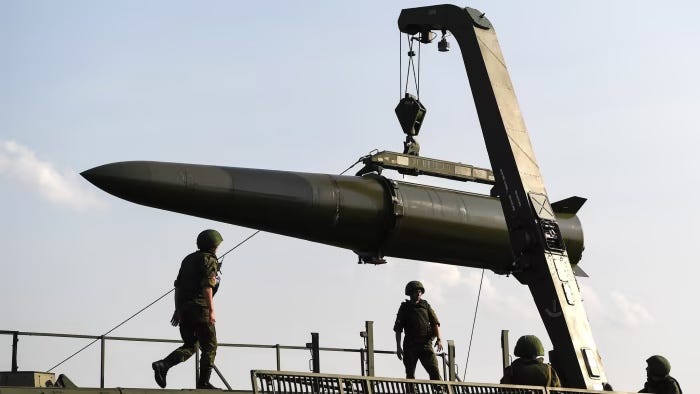
Recent findings indicate that Russia is actively working to substitute Western electronics in its missile navigation systems with local alternatives, challenging earlier assertions of being unaffected by sanctions. The discovery of Russian-made microelectronics in the SN-99 satellite navigation units used in cruise and guided missiles is a significant development, revealing the true extent of the sanctions’ effect and providing insight into the long-term implications for Russia’s military capabilities. This shift in strategy underscores the challenges faced by Russia in maintaining its technological edge in the face of international pressure and highlights the complex interplay between economic warfare and military power in modern conflicts.
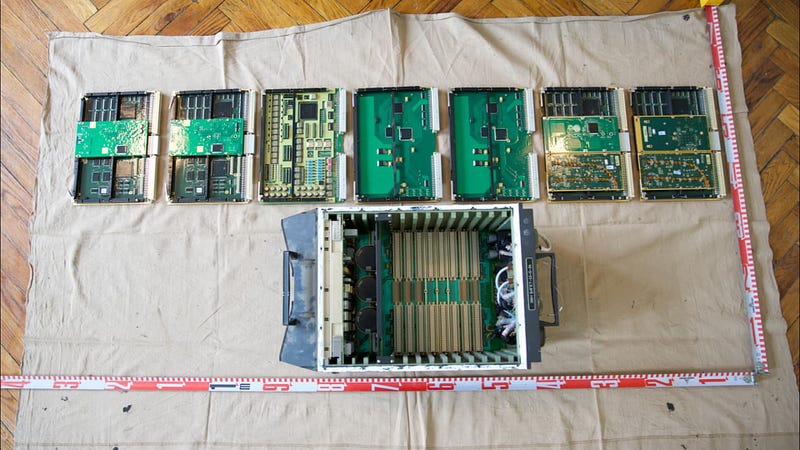
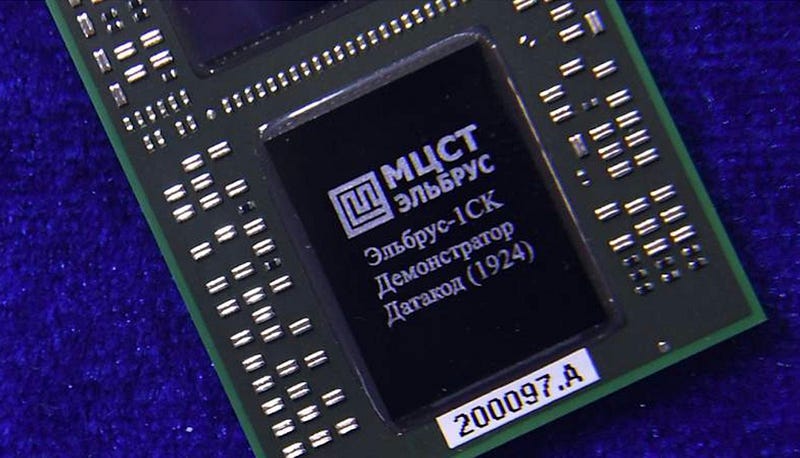
The SN-99 units incorporate components from Russian entities such as the Research Institute of Space Instrumentation and the Russian Institute of Radionavigation and Time, affiliated with the Almaz-Antey concern, representing a concerted effort to reduce dependence on Western technology. However, Russia still relies heavily on American chips in these systems and attempts to obscure their origin by tampering with markings during assembly, a tactic reminiscent of the Soviet era when the USSR sought to circumvent Western export controls during the Cold War. This parallel serves as a reminder that the current conflict in Ukraine is a continuation of the long-standing geopolitical tensions between Russia and the West, with both sides leveraging their economic and technological capabilities to gain an advantage on the battlefield.
A quick heads-up: Medium’s been tweaking its algorithms and it’s getting trickier for my stories to land in your feed. So, if you enjoy my work, please make some noise! Hit that clap button, light up the highlights, or drop a comment. Every interaction helps keep the stories flowing. Thanks for your support!
The modifications made to the SN-99 block to increase the number of communication channels with satellites from 24 to 50 is a telling sign of Russia’s determination to enhance its military capabilities despite the limitations imposed by sanctions. This cumbersome workaround suggests that while Russia may be able to produce certain components domestically, it still lags behind in terms of technological sophistication and efficiency. The fact that the replacement of Western components with Russian ones maintains the dimensional characteristics and connection means of the boards indicates a desire to minimize disruption to the main product into which these navigation units are integrated. However, this approach also raises questions about the potential impact on the performance and reliability of these systems, as domestically produced components may not meet the same standards as their Western counterparts.
From a historical perspective, Russia’s struggle to replace Western electronics draws comparisons to the challenges faced by Germany during World War II, when access to raw materials and advanced technology became increasingly constrained, combined with the brain drain of scientists and engineers fleeing Nazi persecution, severely hampering Germany’s ability to maintain its technological edge. While the context and scale of the current conflict differ, the underlying dynamics of economic warfare and technological competition bear striking similarities. Just as Germany’s war effort was ultimately undermined by its inability to keep pace with Allied innovations and production capabilities, Russia’s long-term military prospects may be jeopardized by its reliance on inferior domestic substitutes for critical components.
The strategic maneuvering of Russia to boost its domestic microelectronics production reveals a troubling effort to sustain its aggressive military activities, despite global sanctions. By ensuring the new components match the size and connectivity of the original ones, Russia cunningly minimizes disruptions in its existing military systems, highlighting its determination to continue its unwarranted invasion of Ukraine with brutal efficiency. However, this approach also reveals potential vulnerabilities, as the reliance on less advanced domestic components may compromise the performance and reliability of Russia’s weapons systems in the long run. Moreover, the diversion of resources towards developing a domestic microelectronics industry could come at the expense of other critical sectors of the Russian economy, potentially exacerbating social and economic tensions within the country, as seen in the Soviet era when the single-minded pursuit of military superiority often led to the neglect of consumer goods and civilian infrastructure.
From a moral perspective, Russia’s efforts to circumvent sanctions and sustain its military aggression in Ukraine raise serious ethical concerns. The human cost of the conflict, with countless lives lost and communities devastated, cannot be justified by any purported strategic or geopolitical objectives. The international community has a responsibility to hold Russia accountable for its actions and to support Ukraine in its struggle for sovereignty and territorial integrity. The use of economic sanctions as a tool to deter aggression and promote compliance with international norms is a well-established practice, but its effectiveness in the current context remains to be seen. As the war drags on, the resilience and adaptability of both sides will be tested, and the ultimate outcome may hinge on factors beyond the immediate battlefield, such as the strength of alliances, the depth of economic reserves, and the will of the populations to endure hardship and sacrifice.
As the war continues, it is crucial for policymakers and military analysts to closely monitor Russia’s attempts to adapt to the sanctions regime. By understanding the limits and vulnerabilities of Russia’s military-industrial complex, the West can develop more effective strategies to deter aggression and promote a peaceful resolution to the conflict. This may involve a combination of economic pressure, diplomatic engagement, and targeted military assistance to Ukraine, aimed at raising the costs of continued aggression while providing a path towards de-escalation and negotiation. At the same time, it is important to recognize that the conflict in Ukraine is not solely a regional dispute but a manifestation of broader geopolitical tensions and competing visions for the international order. As such, the response of the international community must be guided by a clear-eyed assessment of the long-term strategic implications and a commitment to upholding the principles of sovereignty, territorial integrity, and the rule of law.
Ultimately, the fate of the war in Ukraine hinges not just on the military balance on the ground but also on the steadfastness and willpower of the Ukrainian populace. History has repeatedly shown that a strong will to resist, bolstered by the support of Ukraine’s allies and the free world, can turn the tide against even the mightiest foes. The ongoing conflict in Ukraine challenges not just military capabilities but also the ideals and principles upheld by the free world. It calls for our focused attention, empathy, and firm commitment to justice and peace. By grasping the intricacies of this conflict and recognizing what is at stake, we can aim for a resolution that respects the sovereignty and human rights of all involved, thereby paving the way for a more stable and thriving future for the region and beyond.
What are your thoughts on Russia’s efforts to replace Western electronics in its military arsenal? How do you see this development impacting the course of the war in Ukraine? Share your insights and perspectives in the comments below, and don’t forget to clap if you found this article informative and thought-provoking.


