avatarRubaiyat Rahman

Free AI web copilot to create summaries, insights and extended knowledge, download it at here

5883

Abstract

ark is that the war activities of Russia is actually hinting Ukraine the signal that Ukraine should consider the consequences of joining NATO and placing Ukraine into direct conflict with Russia.</p><p id="9099" type="7">Here, Russia’s argument against joining NATO and invasion under the disguise of ‘special military operations’ reveal powerful realistic arguments.</p><figure id="6e57"><img src="https://cdn-images-1.readmedium.com/v2/resize:fit:800/0*jpDmpvtBzAcyqhJg"><figcaption>Photo by <a href="https://unsplash.com/@lighttouchedphotography?utm_source=medium&amp;utm_medium=referral">Kevin Schmid</a> on <a href="https://unsplash.com?utm_source=medium&amp;utm_medium=referral">Unsplash</a></figcaption></figure><p id="c144">No doubt, Russia’s concerns and invasion reveal that the country has taken position upon the foundation of <i>security concerns </i>and <i>self-interest</i>.</p><p id="ab55">This consequently reveals that Russia’s strategic response to Ukraine’s intention to join the NATO is based upon three positions: rationality, intelligence and foresight.</p><figure id="0f0a"><img src="https://cdn-images-1.readmedium.com/v2/resize:fit:800/0*PP7hcApV0bZaAhWI"><figcaption>Photo by <a href="https://unsplash.com/@laowai66?utm_source=medium&amp;utm_medium=referral">Aleksei Zaitcev</a> on <a href="https://unsplash.com?utm_source=medium&amp;utm_medium=referral">Unsplash</a></figcaption></figure><p id="ec7d">To judge the Russian military conflict with Ukraine, we need to appraise the situation from Thomas Hobbes’ <i>The Leviathan </i>perspective (Hobbes 1962).</p><figure id="ec74"><img src="https://cdn-images-1.readmedium.com/v2/resize:fit:800/0*kLV8P1s9XNQv7jL3"><figcaption>Photo by <a href="https://unsplash.com/@birminghammuseumstrust?utm_source=medium&amp;utm_medium=referral">Birmingham Museums Trust</a> on <a href="https://unsplash.com?utm_source=medium&amp;utm_medium=referral">Unsplash</a></figcaption></figure><p id="262d">Regarding the queries whether the conflict is just, moral, immoral or amoral, I would like to quote Hobbes: “To this war … … nothing can be unjust. The notions of right and wrong, justice and injustice have there no place.” (Betts 2012, 81).</p><div id="200b" class="link-block"> <a href="https://rubaiyatrs.medium.com/membership"> <div> <div> <h2>Join Medium with my referral link - Rubaiyat Rahman</h2> <div><h3>Read every story from Rubaiyat (and thousands of other writers on Medium). Your membership fee directly supports…</h3></div> <div><p>rubaiyatrs.medium.com</p></div> </div> <div> <div style="background-image: url(https://miro.readmedium.com/v2/resize:fit:320/0*GwWSx0ch7YmBFlYo)"></div> </div> </div> </a> </div><p id="165c">Regarding the nature of men, Hobbes shares three principal causes of quarrel, which are: competition, diffidence, and glory (Betts 2012, 80). Hereby, it gets manifest through sovereign state mechanism whereas states have inherent drive for security and this leads to violent behavior.</p><figure id="5ddb"><img src="https://cdn-images-1.readmedium.com/v2/resize:fit:800/0*kl6xPIZ-bkUUDjVT"><figcaption>Photo by <a href="https://unsplash.com/@birminghammuseumstrust?utm_source=medium&amp;utm_medium=referral">Birmingham Museums Trust</a> on <a href="https://unsplash.com?utm_source=medium&amp;utm_medium=referral">Unsplash</a></figcaption></figure><p id="1fd5">However, this opinion of Hobbes cannot fully explain the queries behind the Russian invasion behavior.</p><p id="4f44">For example, why great power like Russia is trying to achieve in the invasion?</p><p id="5337" type="7">In the invasion under the title of special military operation, what does Russia want to signal? Is it only pursuit of power against NATO expansion? How much area of Ukraine is enough for Russia?</p><p id="9830">To find answer to these questions, we need to investigate the paper of EH Carr that shed lights on ideology and power politics. From these two concepts, many of the above referred queries can be answered.</p><figure id="b8a9"><img src="https://cdn-images-1.readmedium.com/v2/resize:fit:800/0*opcvJVND-fsoiTYO"><figcaption>Photo by <a href="https://unsplash.com/@dxstub?utm_source=medium&amp;utm_medium=referral">Daniel Stuben.</a> on <a href="https://unsplash.com?utm_source=medium&amp;utm_medium=referral">Unsplash</a></figcaption></figure><p id="cf07">To bring global community’s perspective regarding Russia’s invasion, it is becoming more apparent that multipolar world has been creating more uncertainty (Waltz 1988).</p><p id="4e3f">According to Kenneth Waltz, in comparison with the bi-polar world, the multipolar world is less stable and three reasons are responsible for that. First, the shifting coalitions; second, the upsetting balance of power; and third, incentives for an attack.</p><figure id="e7d4"><img src="https://cdn-images-1.readmedium.com/v2/resize:fit:800/0*sA4ZI4_m8z5LwfXS"><figcaption>Photo by <a href="https://unsplash.com/@britishlibrary?utm_source=medium&amp;utm_medium=referral">British Library</a> on <a href="https://unsplash.com?utm_source=medium&amp;utm_medium=referral">Unsplash</a></figcaption></figure><p id="ddc8">Russia’s invasion incident reveals a culmination of three reasons. Although there is significant ambiguity in the actions and maneuvers of the Russian army, the invasion incident is also revealing that how an international such as the NATO has been affected by the events surrounding the invasion.</p><figure id="fe91"><img src="https://cdn-images-1.readmedium.com/v2/resize:fit:800/0*EIVI8BTo7Ld0Ahmy"><figcaption>Photo by <a href="https://unsplash.com/@stijnswinnen?utm_source=medium&amp;utm_medium=referral">Stijn Swinnen</a> on <a href="https://unsplash.com?utm_s

Options

ource=medium&utm_medium=referral">Unsplash</a></figcaption></figure><p id="bf93">The following paragraphs of the post would share the alternative views potential weaknesses of the above arguments.</p><p id="fee8">Although like the Athenians, the arguments of Russia are based upon the concepts relating to security and power, any closer perusal of the arguments would reveal the loopholes.</p><figure id="ca88"><img src="https://cdn-images-1.readmedium.com/v2/resize:fit:800/0*5pCJ--B0CY58fRQe"><figcaption>Photo by <a href="https://unsplash.com/@npi?utm_source=medium&amp;utm_medium=referral">Pavel Neznanov</a> on <a href="https://unsplash.com?utm_source=medium&amp;utm_medium=referral">Unsplash</a></figcaption></figure><p id="0259">In comparison with Russia’s military and economic strength, Ukraine is comparatively a feeble country and do not post any real security threats.</p><p id="e261">At this juncture of the Russia’s war in Europe it is still obscure what Russia would achieve by invading and conquering Ukraine.</p><figure id="e520"><img src="https://cdn-images-1.readmedium.com/v2/resize:fit:800/0*KXZCRtnkPhylqHEG"><figcaption>Photo by <a href="https://unsplash.com/@doso7?utm_source=medium&amp;utm_medium=referral">Dominik Sostmann</a> on <a href="https://unsplash.com?utm_source=medium&amp;utm_medium=referral">Unsplash</a></figcaption></figure><p id="2c10">However, E.H Carr’s book titled <i>The Twenty Years’ Crisis </i>discards Hobbes’ notion of just and unjust regarding war. Hobbes’ notion of war actually discards the idealistic view of international politics and its concern about balance of power.</p><p id="eb2d">Unlike Hobbes, the arguments of Carr reveal the existence of relationship between power and morality regarding conflict issue. Carr’s argument puts forward that states sometimes pursue power and ideals together.</p><p id="d4fe" type="7">Here, in the Russian invasion, we have been witnessing this. It would be wrong to assume that Russia does not have any moral ground.</p><figure id="062a"><img src="https://cdn-images-1.readmedium.com/v2/resize:fit:800/0*mEmJuX0MuFT_g6fZ"><figcaption>Photo by <a href="https://unsplash.com/@azrin90?utm_source=medium&amp;utm_medium=referral">MOHD AZRIN</a> on <a href="https://unsplash.com?utm_source=medium&amp;utm_medium=referral">Unsplash</a></figcaption></figure><p id="6873">In the domain of international politics, morality does not have any universal feature. According to E.H. Carr, moral principles of country or party are associated with that country or party’s interest.</p><p id="927b">Therefore, moral principles are derived from actual policies.</p><p id="f567">These actual policies are available in governmental forms economic systems, social institutions and political ideologies- wherein we can also trace out the causes of war.</p><figure id="100d"><img src="https://cdn-images-1.readmedium.com/v2/resize:fit:800/0*bWpAaNqHIV0k6m_1"><figcaption>Photo by <a href="https://unsplash.com/@sircurtisreese?utm_source=medium&amp;utm_medium=referral">Curtis Reese</a> on <a href="https://unsplash.com?utm_source=medium&amp;utm_medium=referral">Unsplash</a></figcaption></figure><p id="87ac">In Stuart Bremer’s papers, we get to know that a war is always costly for the participants and the richer countries have more to lose.</p><p id="b6d6">However, the ongoing conflict appears an exceptional example against the theories of war shared by Bremer.</p><figure id="7a42"><img src="https://cdn-images-1.readmedium.com/v2/resize:fit:800/0*xMus9mZcEIggEik2"><figcaption>Photo by <a href="https://unsplash.com/es/@we_bring_design?utm_source=medium&amp;utm_medium=referral">Susan Jang</a> on <a href="https://unsplash.com?utm_source=medium&amp;utm_medium=referral">Unsplash</a></figcaption></figure><p id="99de">If we notice the preparedness and responses of Russia, it is evident that Russian is no mulling economic issues in its calculations of war.</p><p id="e1fb">Besides that, even though there is imbalance of military power between Russia and Ukraine, the pair of states is still more prone to fight.</p><p id="f2a6" type="7">No doubt, the ongoing conflict situation between Russia and Ukraine has been dragging several theories of International Security into litmus test.</p><figure id="958a"><img src="https://cdn-images-1.readmedium.com/v2/resize:fit:800/0*QGYqB5sD671jearN"><figcaption>Photo by <a href="https://unsplash.com/@impatrickt?utm_source=medium&amp;utm_medium=referral">Patrick Tomasso</a> on <a href="https://unsplash.com?utm_source=medium&amp;utm_medium=referral">Unsplash</a></figcaption></figure><div id="d48a" class="link-block"> <a href="https://rubaiyatrs.medium.com/membership"> <div> <div> <h2>Join Medium with my referral link - Rubaiyat Rahman</h2> <div><h3>Read every story from Rubaiyat (and thousands of other writers on Medium). Your membership fee directly supports…</h3></div> <div><p>rubaiyatrs.medium.com</p></div> </div> <div> <div style="background-image: url(https://miro.readmedium.com/v2/resize:fit:320/0*GwWSx0ch7YmBFlYo)"></div> </div> </div> </a> </div><h2 id="a1fa">Reading List</h2><p id="0752">Betts, Richard. Conflict After the Cold War, 3rd edition. Pearson/Longman.</p><p id="56fa">Bremer, Stuart A. “Advancing the Scientific Study of War.” <i>International interactions</i> 19, no. 1–2 (1993): 1–26.</p><p id="b010">Carr, Edward Hallett. <i>The Twenty Years’ Crisis, 1919–1939 : an Introduction to the Study of International Relations</i>. 1st Harper torchbook ed. New York: Harper & Row, 1964.</p><p id="d736">Waltz, Kenneth N. “The Origins of War in Neorealist Theory.” <i>The Journal of interdisciplinary history</i> 18, no. 4 (1988): 615–628.</p></article></body>

Russia’s Invasion of Ukraine: Appraisal from International Relations Theories

Unwinding of Puzzles and Litmus Tests
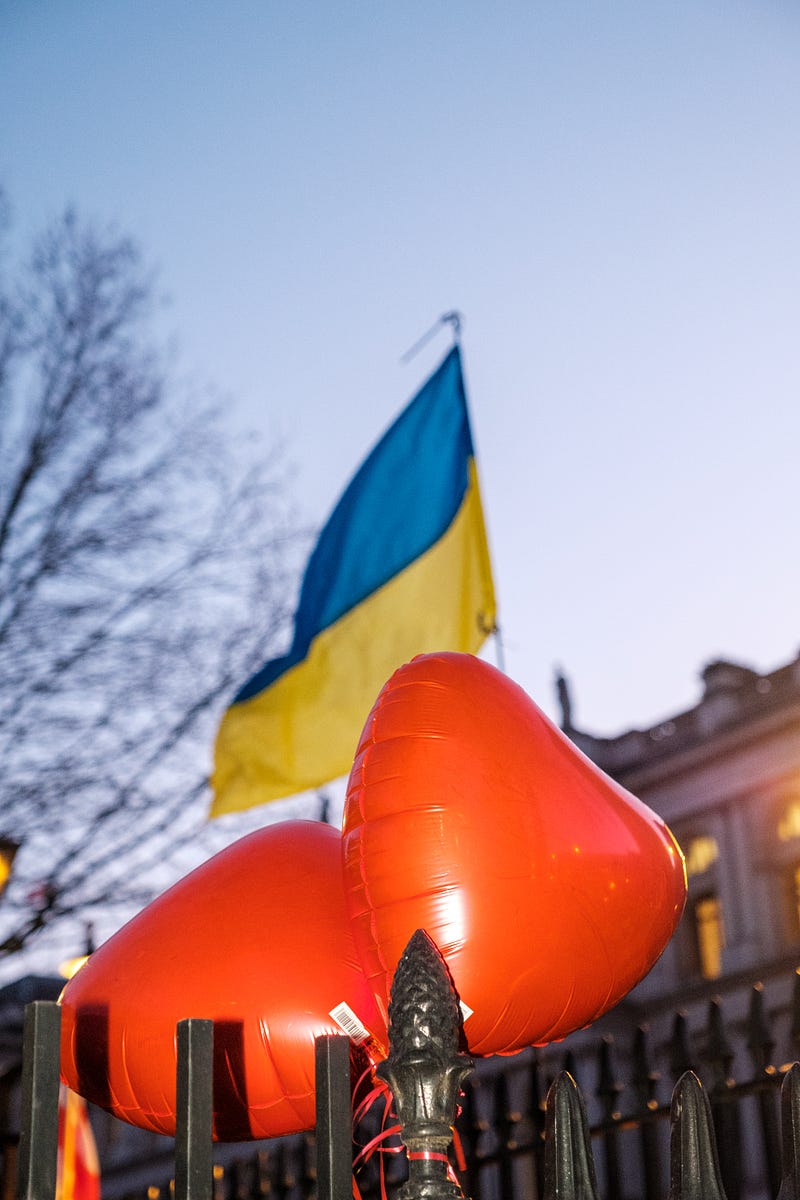
Photo by Ehimetalor Akhere Unuabona on Unsplash

The Russian military conflict with Ukraine is not any inexplicable incident. Rather, the incident has created queries and puzzles among the scholars of International Security discipline.

The write up will begin analyzing the conflict with that Thucydides’ Melian Dialogue.

The essay shows through the analysis that the dialogue incident has lot of similarity with the present ongoing invasion incident.
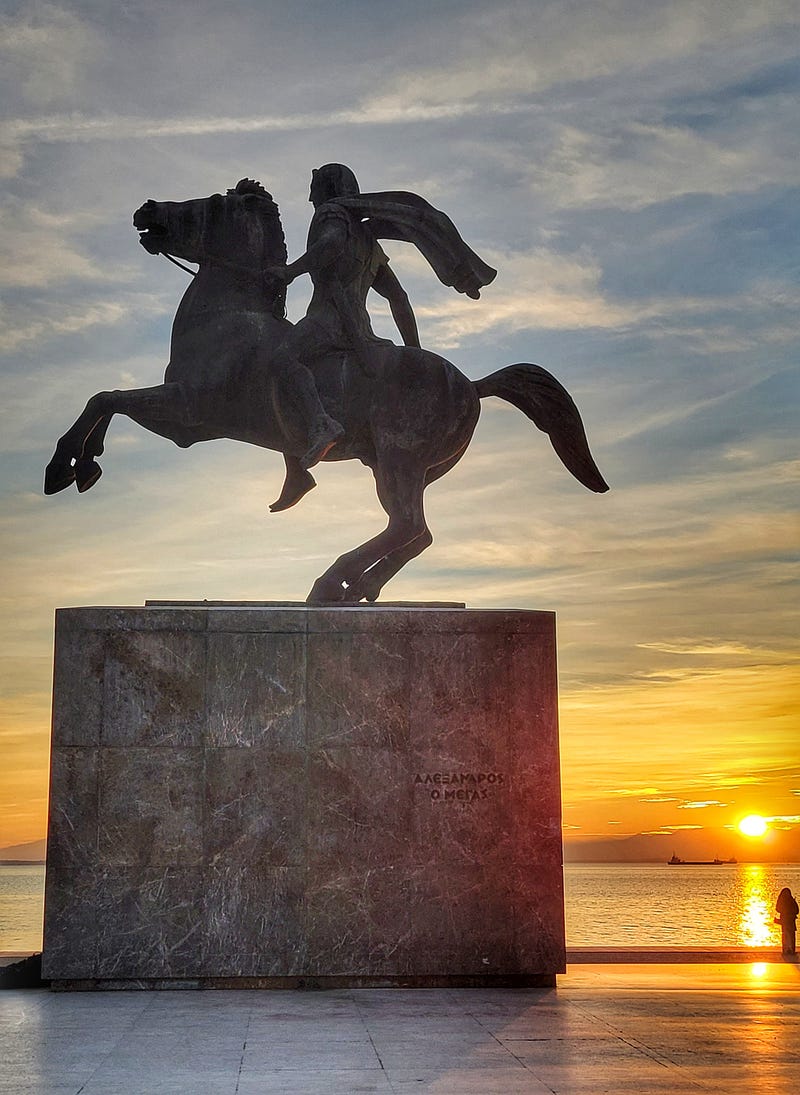
Photo by Nick Vlachos on Unsplash

The beginning section of the essay reveals morality and immorality issue of the conflict.

To do so, this Medium post utilizes Hobbes’ theory.

However, to counter the weakness, the write up also brings E.H Carr’s arguments in favor of morality’s existence through state policies. The essay shares the alternative views in separate paragraphs.

Another section of the write up shares how the conflict situation in the eastern part of Europe is actually creating uncertainty in this multipolar world.
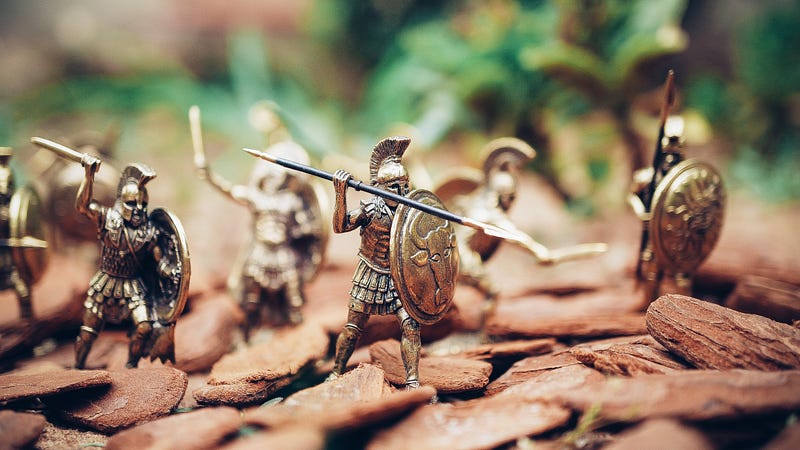
Photo by Jaime Spaniol on Unsplash

The incident of the Russian military conflict with Ukraine resemblances with the famous Melian Dialogue of Thucydides. Here, in the Ukraine crisis, Russia’s acts resemblances with that of the Athenian envoys.

Like the Melos, the political leaders of Ukraine have been reiterating the moral and idealistic arguments. Ukraine has been trying to put moral restraint on warfare.

Like the Melians, the leaders and people of Ukraine are courageous and talks about norms relating to sovereignty. They base their defense on the appeal to justice.
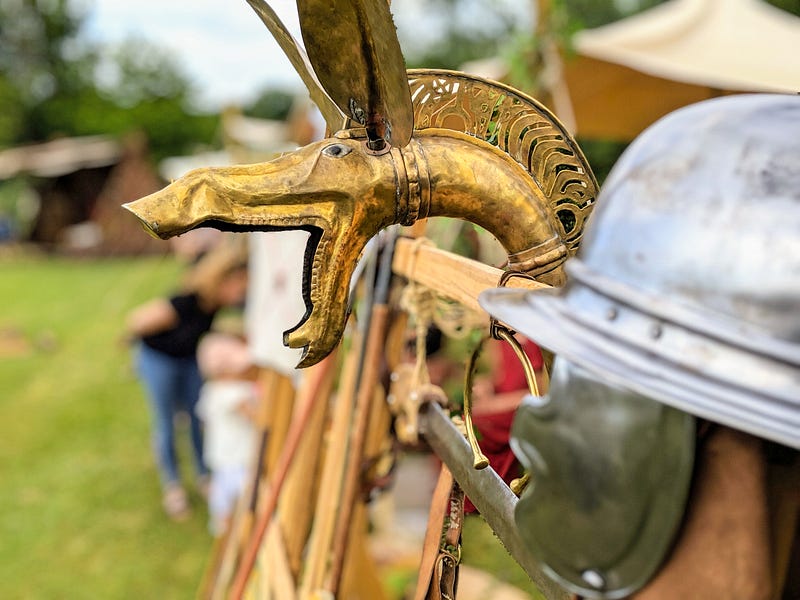
Photo by Flash Dantz on Unsplash

Like the Melian’s contend that they are pious and believe in placing trust in alliances, the Ukraine state mechanism also has made efforts to rely on the NATO for collective security purpose.

Very surprisingly, it is becoming apparent that like the Melians, even after Russia’s advancement to Kyiv, the leaders of Ukraine have not yet left their hope for assistance by the NATO and the EU.

On the other hand, Russia’s argument is based upon the concepts relating to security and power, belonging to Realists concepts.
Photo by MOHD AZRIN on Unsplash

Interestingly, like the Athenians, the state apparatus of Russia disregarded any dialogue during the outset of the war.
Photo by Artur Voznenko on Unsplash

What becomes stark is that the war activities of Russia is actually hinting Ukraine the signal that Ukraine should consider the consequences of joining NATO and placing Ukraine into direct conflict with Russia.

Here, Russia’s argument against joining NATO and invasion under the disguise of ‘special military operations’ reveal powerful realistic arguments.
Photo by Kevin Schmid on Unsplash

No doubt, Russia’s concerns and invasion reveal that the country has taken position upon the foundation of security concerns and self-interest.

This consequently reveals that Russia’s strategic response to Ukraine’s intention to join the NATO is based upon three positions: rationality, intelligence and foresight.
Photo by Aleksei Zaitcev on Unsplash

To judge the Russian military conflict with Ukraine, we need to appraise the situation from Thomas Hobbes’ The Leviathan perspective (Hobbes 1962).
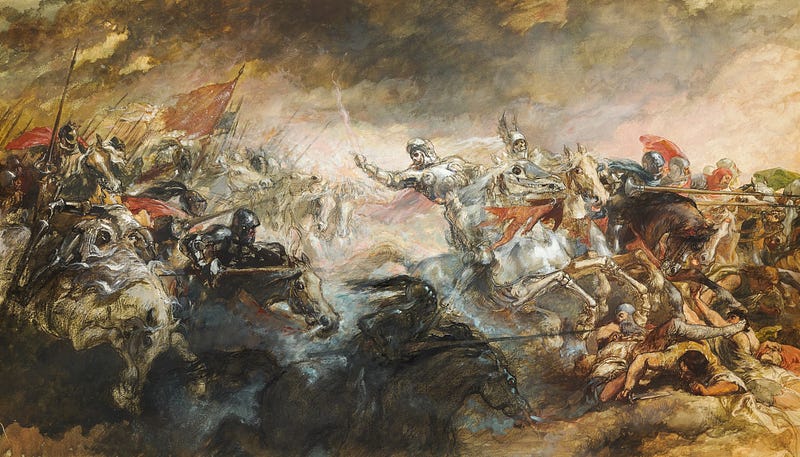
Photo by Birmingham Museums Trust on Unsplash

Regarding the queries whether the conflict is just, moral, immoral or amoral, I would like to quote Hobbes: “To this war … … nothing can be unjust. The notions of right and wrong, justice and injustice have there no place.” (Betts 2012, 81).

Regarding the nature of men, Hobbes shares three principal causes of quarrel, which are: competition, diffidence, and glory (Betts 2012, 80). Hereby, it gets manifest through sovereign state mechanism whereas states have inherent drive for security and this leads to violent behavior.
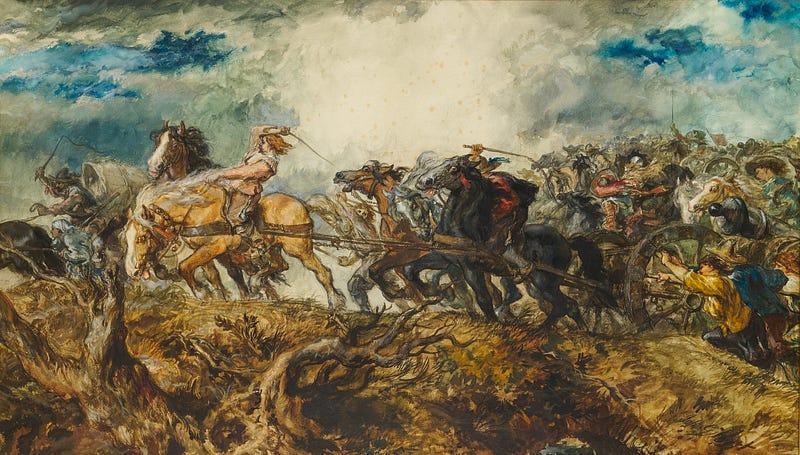
Photo by Birmingham Museums Trust on Unsplash

However, this opinion of Hobbes cannot fully explain the queries behind the Russian invasion behavior.

For example, why great power like Russia is trying to achieve in the invasion?

In the invasion under the title of special military operation, what does Russia want to signal? Is it only pursuit of power against NATO expansion? How much area of Ukraine is enough for Russia?

To find answer to these questions, we need to investigate the paper of EH Carr that shed lights on ideology and power politics. From these two concepts, many of the above referred queries can be answered.
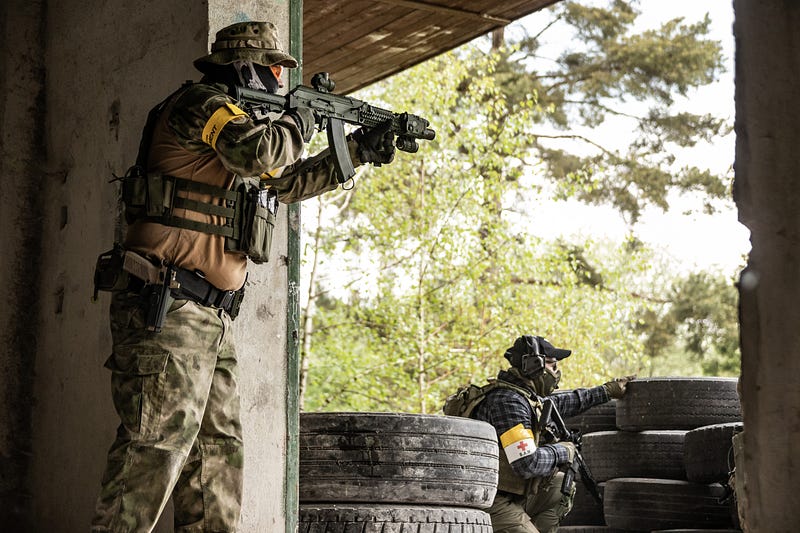
Photo by Daniel Stuben. on Unsplash

To bring global community’s perspective regarding Russia’s invasion, it is becoming more apparent that multipolar world has been creating more uncertainty (Waltz 1988).

According to Kenneth Waltz, in comparison with the bi-polar world, the multipolar world is less stable and three reasons are responsible for that. First, the shifting coalitions; second, the upsetting balance of power; and third, incentives for an attack.
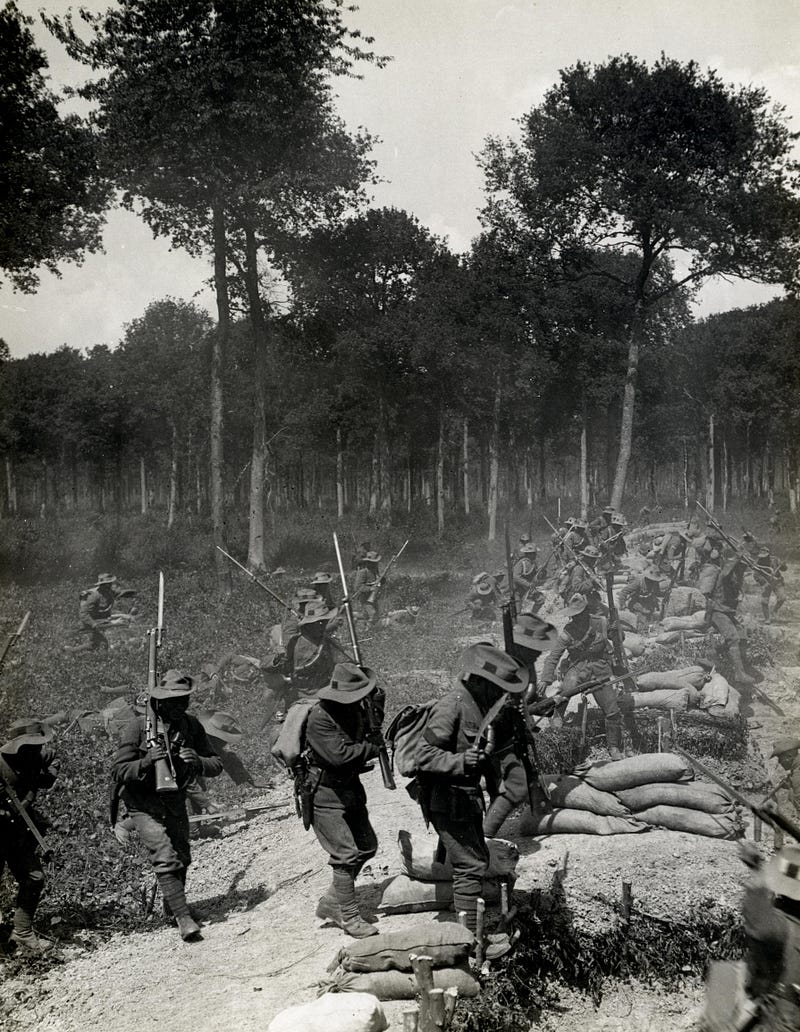
Photo by British Library on Unsplash

Russia’s invasion incident reveals a culmination of three reasons. Although there is significant ambiguity in the actions and maneuvers of the Russian army, the invasion incident is also revealing that how an international such as the NATO has been affected by the events surrounding the invasion.
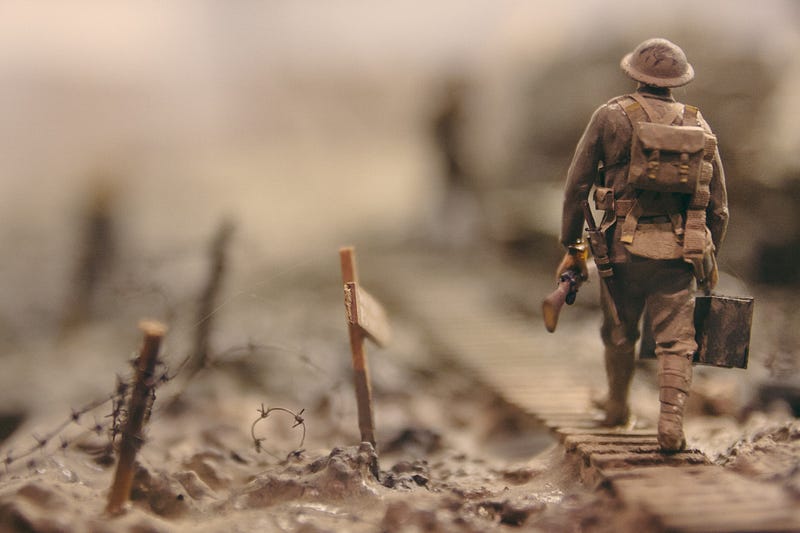
Photo by Stijn Swinnen on Unsplash

The following paragraphs of the post would share the alternative views potential weaknesses of the above arguments.

Although like the Athenians, the arguments of Russia are based upon the concepts relating to security and power, any closer perusal of the arguments would reveal the loopholes.
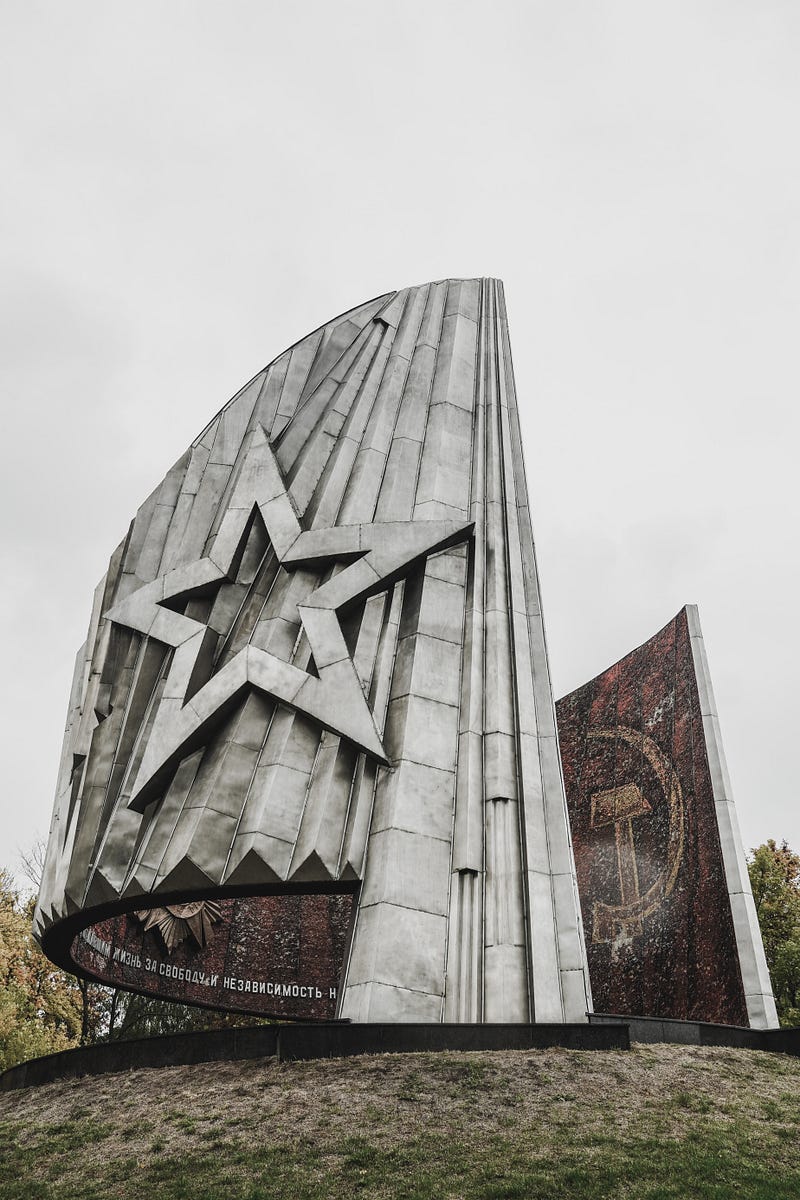
Photo by Pavel Neznanov on Unsplash

In comparison with Russia’s military and economic strength, Ukraine is comparatively a feeble country and do not post any real security threats.

At this juncture of the Russia’s war in Europe it is still obscure what Russia would achieve by invading and conquering Ukraine.
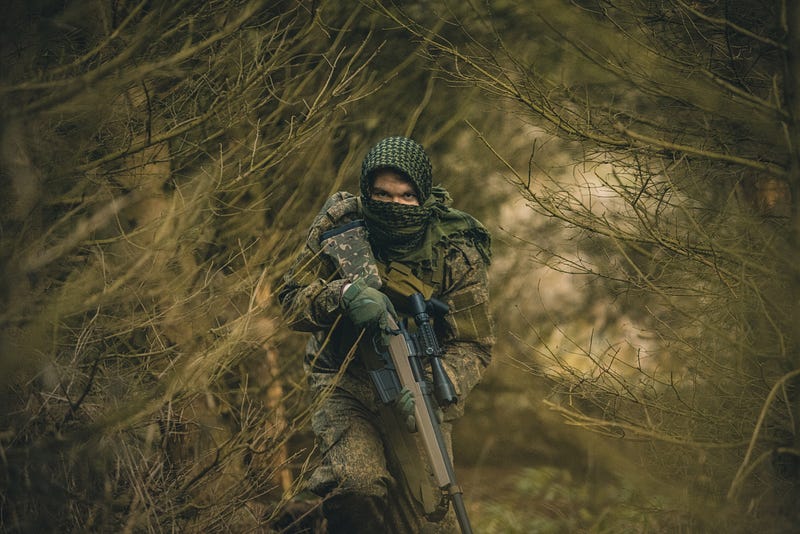
Photo by Dominik Sostmann on Unsplash

However, E.H Carr’s book titled The Twenty Years’ Crisis discards Hobbes’ notion of just and unjust regarding war. Hobbes’ notion of war actually discards the idealistic view of international politics and its concern about balance of power.

Unlike Hobbes, the arguments of Carr reveal the existence of relationship between power and morality regarding conflict issue. Carr’s argument puts forward that states sometimes pursue power and ideals together.

Here, in the Russian invasion, we have been witnessing this. It would be wrong to assume that Russia does not have any moral ground.
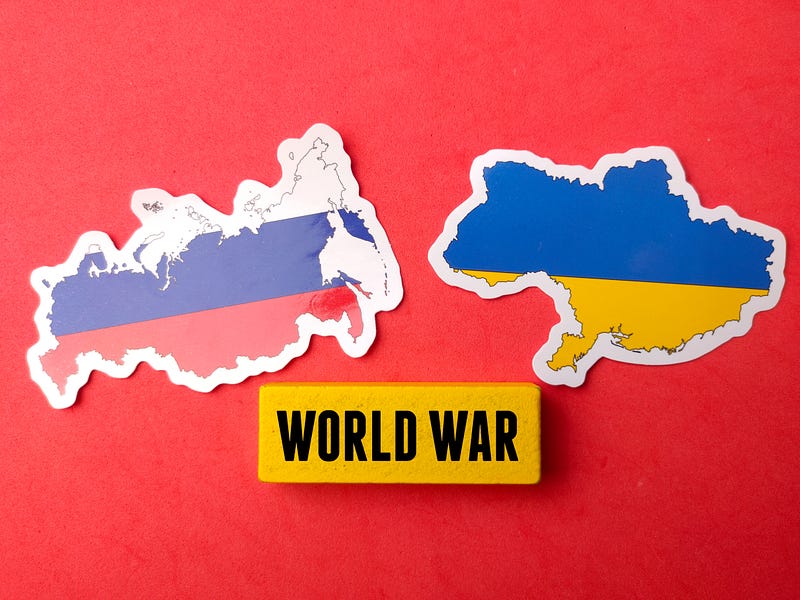
Photo by MOHD AZRIN on Unsplash

In the domain of international politics, morality does not have any universal feature. According to E.H. Carr, moral principles of country or party are associated with that country or party’s interest.

Therefore, moral principles are derived from actual policies.

These actual policies are available in governmental forms economic systems, social institutions and political ideologies- wherein we can also trace out the causes of war.
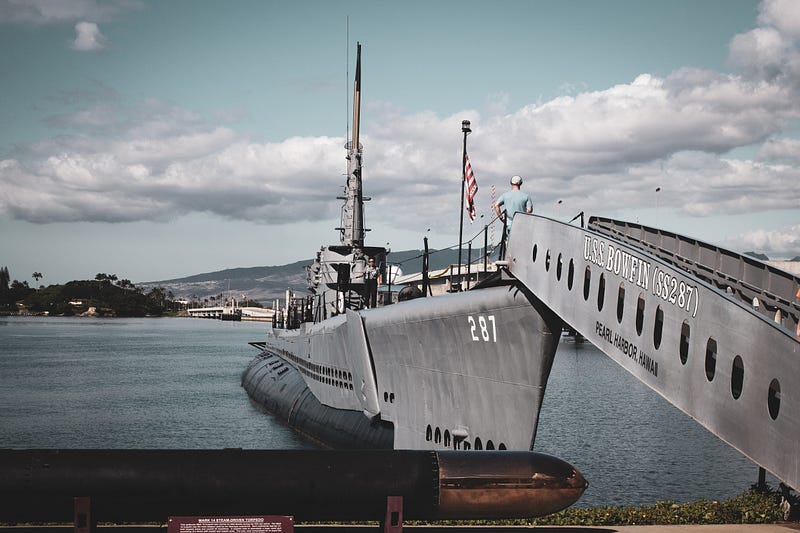
Photo by Curtis Reese on Unsplash

In Stuart Bremer’s papers, we get to know that a war is always costly for the participants and the richer countries have more to lose.

However, the ongoing conflict appears an exceptional example against the theories of war shared by Bremer.
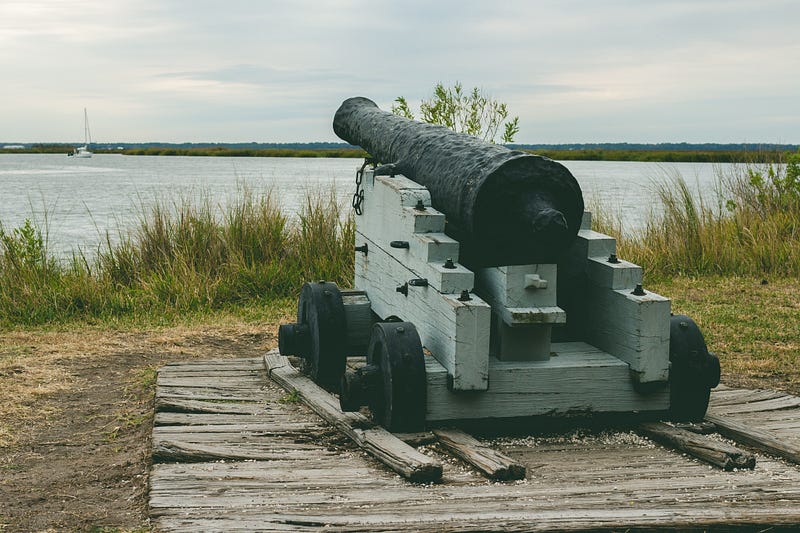
Photo by Susan Jang on Unsplash

If we notice the preparedness and responses of Russia, it is evident that Russian is no mulling economic issues in its calculations of war.

Besides that, even though there is imbalance of military power between Russia and Ukraine, the pair of states is still more prone to fight.

No doubt, the ongoing conflict situation between Russia and Ukraine has been dragging several theories of International Security into litmus test.

Photo by Patrick Tomasso on Unsplash

Reading List

Betts, Richard. Conflict After the Cold War, 3rd edition. Pearson/Longman.

Bremer, Stuart A. “Advancing the Scientific Study of War.” International interactions 19, no. 1–2 (1993): 1–26.

Carr, Edward Hallett. The Twenty Years’ Crisis, 1919–1939 : an Introduction to the Study of International Relations. 1st Harper torchbook ed. New York: Harper & Row, 1964.

Waltz, Kenneth N. “The Origins of War in Neorealist Theory.” The Journal of interdisciplinary history 18, no. 4 (1988): 615–628.

Ukraine War
Russia
International Relations
Political Science
Politics
Recommended from ReadMedium