Ukraine
Russian Tanks — Whatever Happened to Reactive Armour?
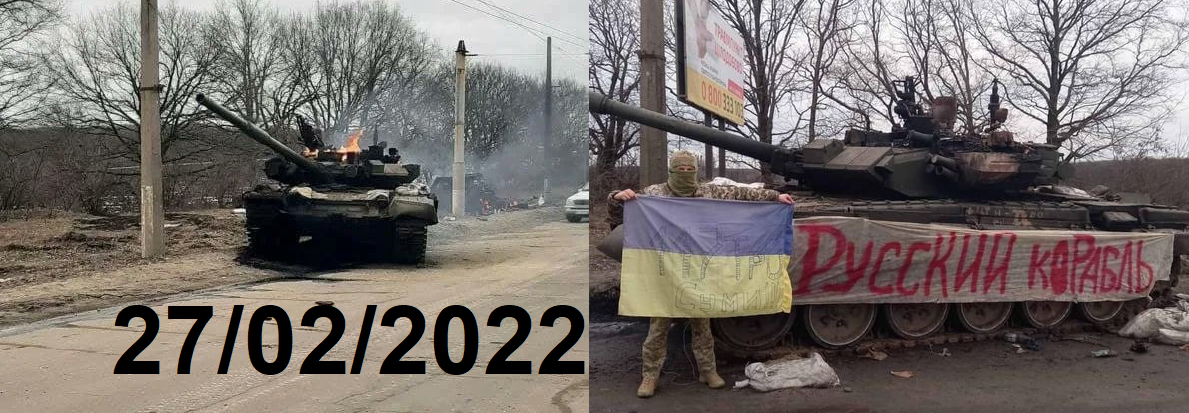
We’ve seen the pictures of trashed Russian tanks on the road to Kyiv, but what’s really puzzling me is the failure of reactive armour
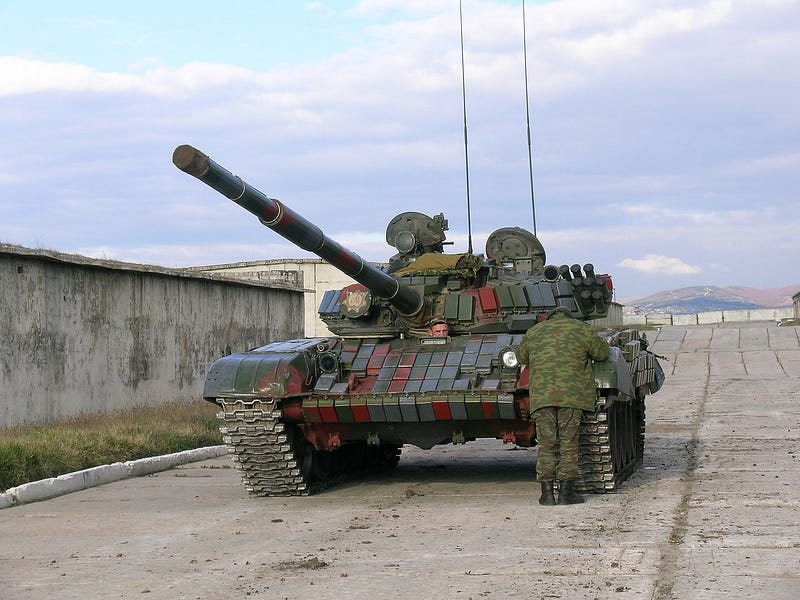
Are all the Russian tanks with reactive armour on the Eastern Front in Ukraine? Did Putin send the oldest tanks from Belarus into the attack on Kyiv, with conscript crews?
Maybe, or maybe I’m making a wrong assumption. Perhaps tanks with reactive armour were sent south from Belarus to Kyiv. I looked into the issue of armour versus missiles.
I’d heard about reactive armour several years ago and decided this week to dig deeper because I could not understand how the Russians were losing so many tanks.
What is reactive armour?
I thought it was just exploding tiles, but anyway I turned to Wikipedia, that fount of all knowledge.
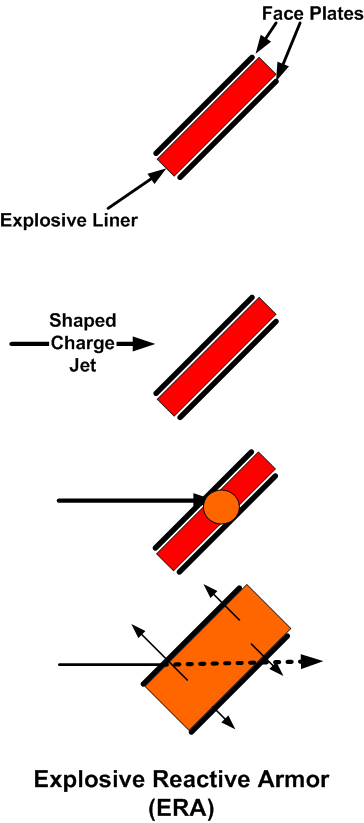
It is most effective in protecting against shaped charges and specially hardened kinetic energy penetrators. The most common type is explosive reactive armour (ERA), but variants include self-limiting explosive reactive armour (SLERA), non-energetic reactive armour (NERA), non-explosive reactive armour (NxRA), and electric armour. NERA and NxRA modules can withstand multiple hits, unlike ERA and SLERA, but a second hit in exactly the same location may potentially penetrate any of those, as the armour in that spot is compromised.
So, there’s a bit more to it than I first thought. A lot more. Electric armour too?
Some history
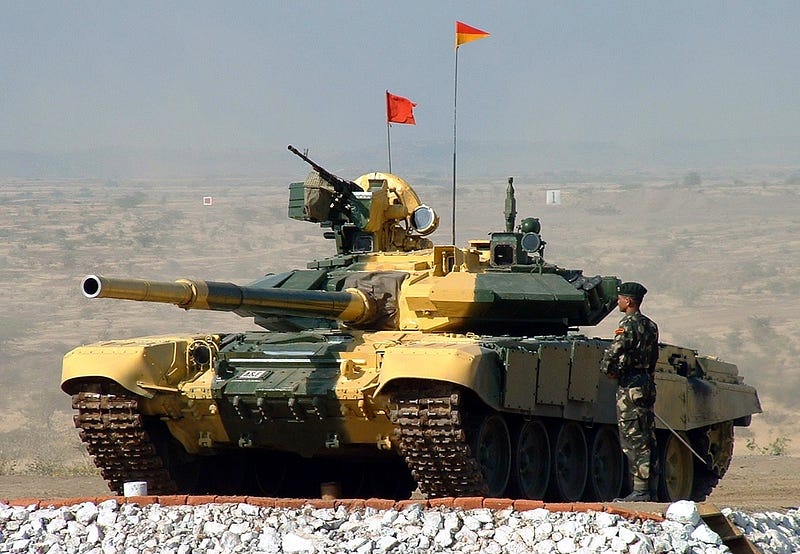
The use of active armour began in the 1970s with the development of explosive reactive armour (ERA). ERA uses a layer of explosives to detonate and deflect incoming missiles or shells. The first tanks equipped with ERA were produced in the 1980s. That’s what I knew about, until now.
In the 1990s, a new type of anti-tank missile called “explosive formed penetrator” (EFP) was developed. EFP uses a shaped charge to penetrate tank armour, and ERA had to evolve to meet the threat. I’d heard about these too, spraying gouts of molten copper inside a tank and incinerating everything. Molten copper and tank ammunition don’t mix well. Nor with people.
Tank crews have to believe that they have a reasonable chance of surviving a hit. Otherwise there will be problems with discipline — and we’ve heard about some of those recently in the Russian army.
Active armour is a very effective protection against most types of attacks, but it has some drawbacks.
First, the weight of the armour increases the overall weight of the vehicle, which can reduce its speed and maneuverability. This is because the tank also has to have armour to protect it from it own exploding armour. I’d wondered about that.
Second, the added weight can also reduce the tank’s ability to cross bridges and other obstacles and also increases fuel consumption.
Finally, active armour can be expensive to produce and maintain.
Also, the traditional war image of a tank moving forward with close support infantry has to change, because the exploding armour creates a shrapnel risk for the infantry if the tank is struck by a projectile.
But still the road to Kiev is littered with wrecked tanks, even the most modern T-90s.
And the reason for that carnage is nothing to do with a lack of active armour.
It’s called top attack.
Javelins and NLAWs
The Javelin is a US-made anti-tank guided missile (ATGM) and the NLAW is a Swedish/British ATGM. They are a “fire and forget” weapons, so that once fired, the operator does not need to do anything else to guide it to the target and can immediately move location and seek cover.
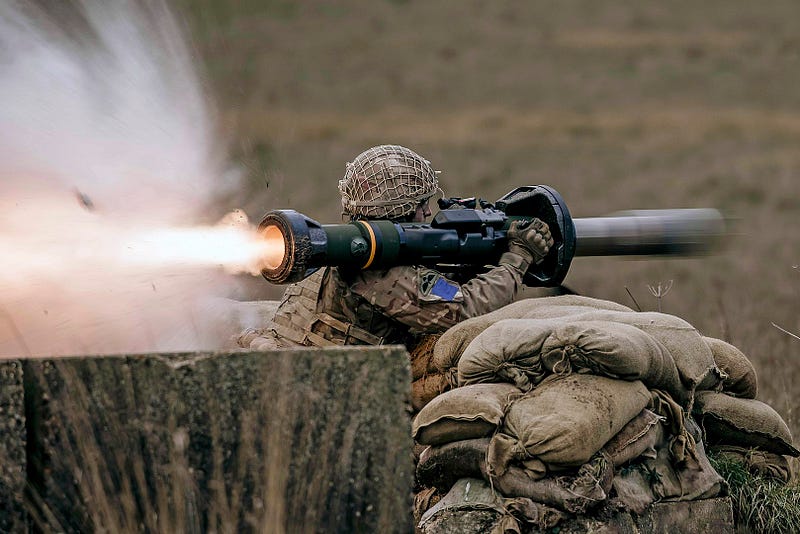
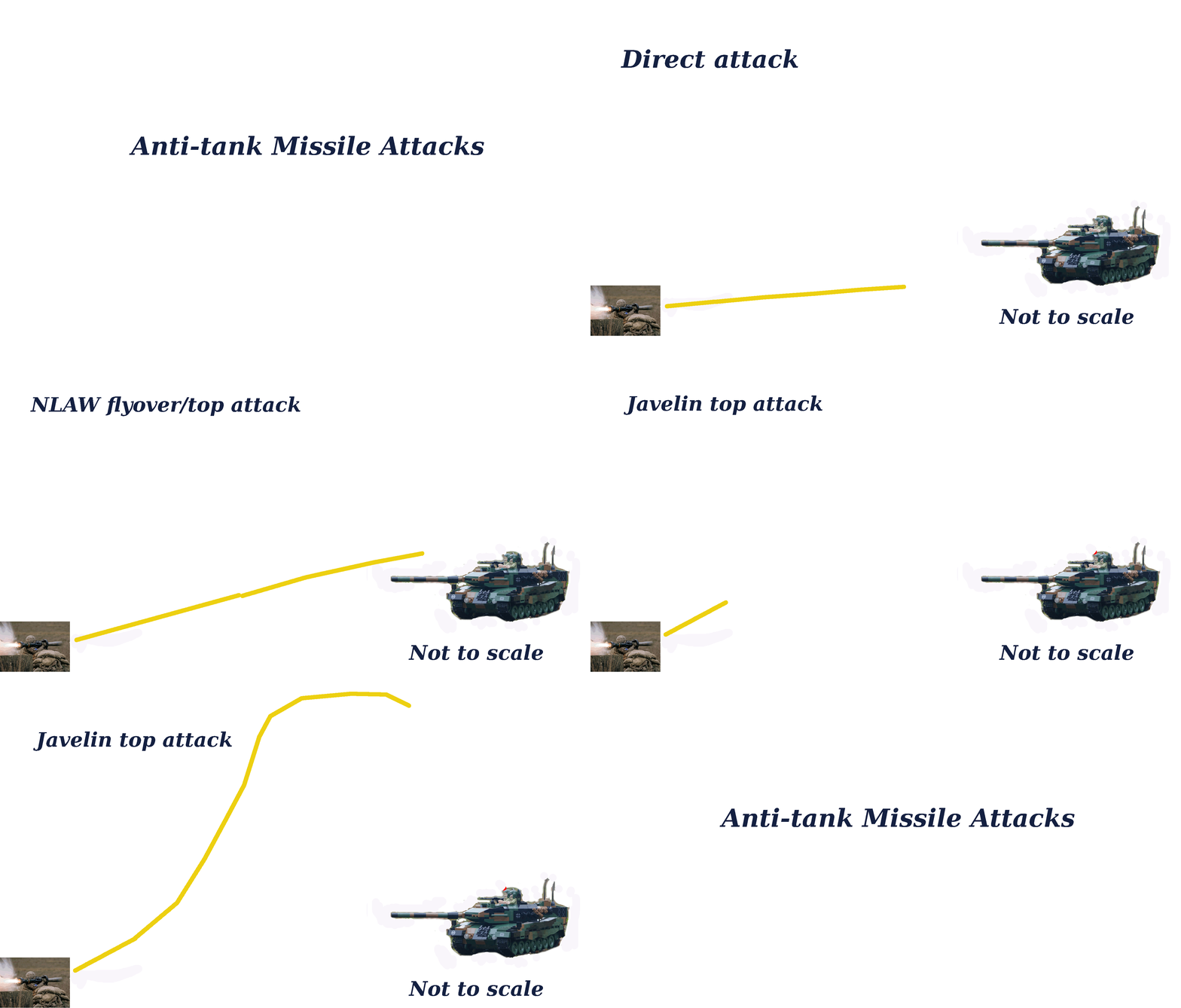
Both are capable of direct or top-attack (flyover). With the top-attack profile, the missiles can ascend to 150 metres and then dive down into a tank’s turret.
Both are in widespread use in the Ukraine.
Here’s a quick and dirty graphic I put together to illustrate the concepts:
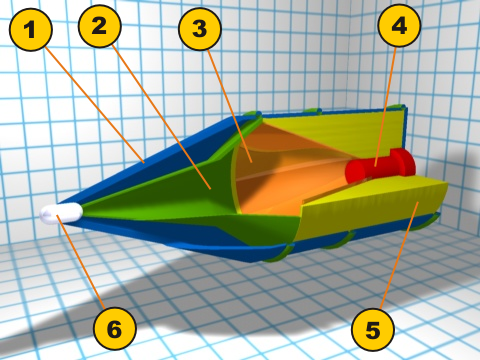
The HEAT warheads are capable of defeating modern tanks by hitting them from above — the so-called top-attack — where their armour is thinnest.
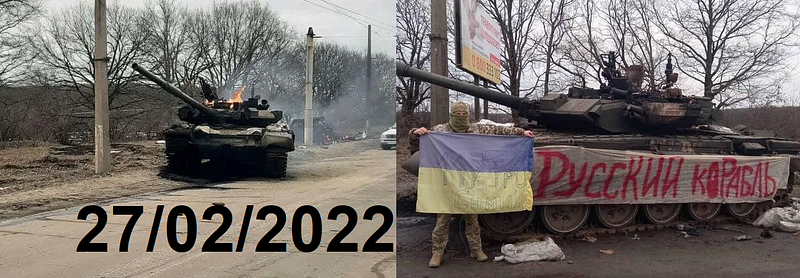
It’s no wonder that Russian tank crews were killing their commanders or running away.
Russia’s highly effective anti-tank missile, the 9M133 Kornet came into production after the Soviet Union collapsed, and so there are none of these MANPADS in the current Ukrainian arsenal.
Drones too
Ukraine has been using the Turkish made Bayraktar drone to great effect as an active tank destroyer.
Top-attack again.
Russian tank losses
As of time of writing, Russian tank losses in the Ukraine are reported by Oryx to be : 448, of which destroyed: 219, damaged: 6, abandoned: 41, captured: 182
And yes, it seems that almost all Russian tanks have some kind of reactive armour:
Explosive reactive armour has been valued by the Soviet Union and its now-independent component states since the 1980s, and almost every tank in the eastern-European military inventory today has either been manufactured to use ERA or had ERA tiles added to it, including even the T-55 and T-62 tanks built forty to fifty years ago, but still used today by reserve units. — Wikipedia
We do not have a ratio of ATGMs fired to tank kills for the Ukraine war, so it’s not really supportable to say that the Russian ERA is ineffective. But I’m inclined to believe that it is.
So, my puzzle is solved
Having considered all the aspects that I have discovered, it seems that reactive armour in whatever form, is just not up to the job of defending against the latest warheads in top attack mode. And with top attacks there is little chance for the tank crews.
If I had to choose, I think I’d rather be in the Navy.
Planes crash, tanks blow up. And yes, ships sink. But they do have lifeboats.
About me: If you follow me I guarantee variety in your inbox! I write on a wide range of topics including humor, tech and travel, together with daily news events and the minutiae of my daily life living on a boat. I also write techno-thrillers…and about…
…armour technology versus missile technology

Or, if you just enjoy reading stories like these and want to support other writers and me, consider signing up to become a Medium member. It’s $5 a month, giving you unlimited access to incredible stories on Medium. If you sign up using my link below, I’ll earn a small commission at no extra cost to you.