
Russia Tightens Grip and Adopts North Korean-Style Economy: Prelude to NATO Standoff?
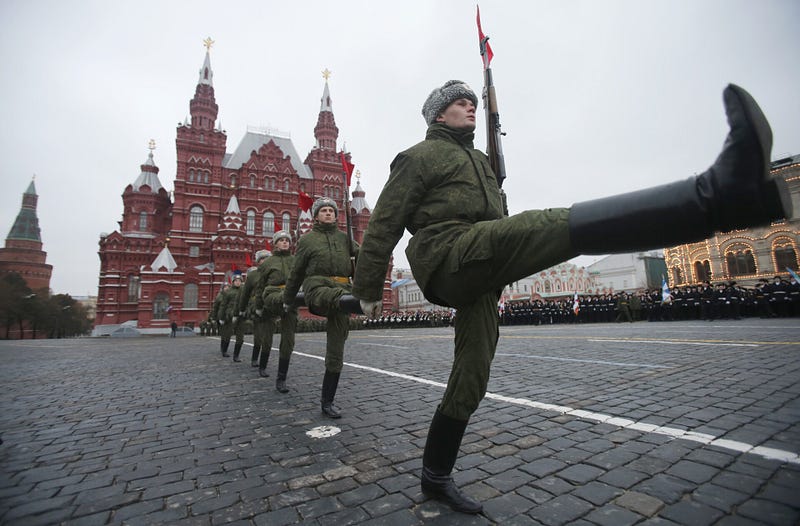
Amid the backdrop of what Moscow dubs a “special operation” in Ukraine, Russia has signaled a stark shift towards further consolidation of control within its borders, targeting key industrial enterprises for expropriation and preparing to tighten its grip on foreign media presence, including notable outlets such as BBC and Deutsche Welle. This development marks a significant escalation in Russia’s approach to both its wartime economy and information warfare, echoing the repressive atmospheres of its own past and the Cold War era.
The Russian government has taken decisive steps to expropriate three enterprises belonging to the Chelyabinsk Electrometallurgical Plant (CEMK), under the pretext that their privatization in the 1990s was illegal due to lack of governmental consent at the time. This action is indicative of Russia’s shift towards a war economy, as a substantial portion of its budget is now being redirected to support the military efforts in Ukraine. The targeted factories, which supply 90% of Russia’s ferroalloy market, were accused of being controlled by entities in “unfriendly” countries, with their production exported to the USA and Europe at prices allegedly below market value. The Kremlin’s narrative frames this as a strategic necessity to reclaim assets of “strategic importance for the defense and security of the country,” which have supposedly fallen into the hands of RFA International, a Canadian-Swiss conglomerate.
In parallel, Russia is advancing legislation that threatens to significantly curtail the operations of foreign media within its territory. A proposed bill by members of the State Duma aims to designate certain foreign organizations as “undesirable” on Russian soil, particularly those founded or influenced by foreign governmental agencies. This move could potentially lead to the closure of BBC, Deutsche Welle, and other such outlets, effectively silencing voices that have provided critical coverage of Russia’s actions both domestically and internationally. The bill’s proponents argue it is a measure against entities perceived to be engaging in a “policy aggressive against the Russian Federation” and supplying arms to Ukraine, thus posing a threat to Russia’s national security.
A quick heads-up: Medium’s been tweaking its algorithms and it’s getting trickier for my stories to land in your feed. So, if you enjoy my work, please make some noise! Hit that clap button, light up the highlights, or drop a comment. Every interaction helps keep the stories flowing. Thanks for your support!
These developments are symptomatic of a broader strategy by Russia to insulate its society from external influences and tighten control over the economic and informational landscapes. By reclaiming key industrial assets and restricting foreign media, the Kremlin is not only bolstering its wartime capabilities but also attempting to shape the narrative around its military actions in Ukraine and its domestic policies. The crackdown on foreign media, coupled with the expropriation of industrial enterprises, represents a retreat into more autocratic governance practices, limiting the Russian populace’s access to outside perspectives and further consolidating state control over the economy and information.
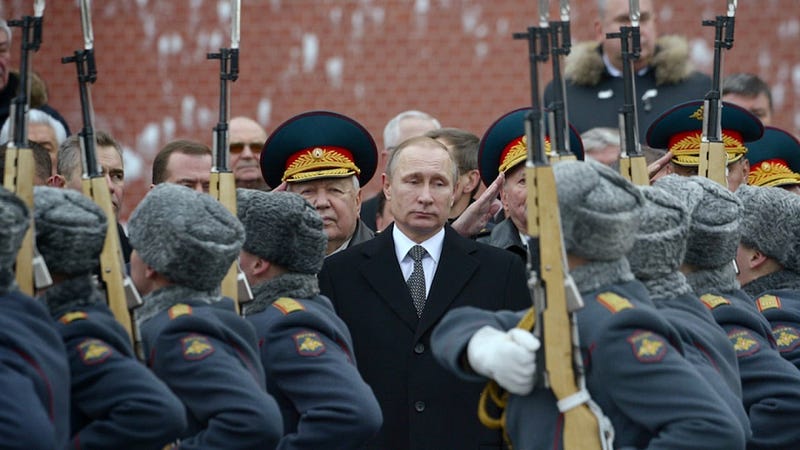
As these strategies unfold, the implications for the conflict in Ukraine, Russian society, and international relations are profound. The move towards a war economy and the silencing of foreign media voices could have lasting effects on Russia’s position in the global order, its internal stability, and the dynamics of the ongoing conflict with Ukraine. In the subsequent part of this analysis, we will explore the international response to Russia’s tightening grip on its economy and information space, and the potential pathways this conflict could take in light of these recent developments.
Rusia’s military engagements and strategic posture have long been subjects of scrutiny and concern among Western nations and their defense establishments. With the conflict in Ukraine showing no signs of abating, signals from Moscow suggest an ominous escalation that might transcend the current theater of operations, hinting at a broader confrontation with NATO in the foreseeable future. This perspective was starkly articulated by officials from Estonia, who, along with a cadre of European defense leaders, have publicly voiced apprehensions regarding Russia’s military ambitions in Europe. Such concerns are not isolated, as evidenced by a series of declarations from high-ranking defense officials across Europe, indicating a widespread apprehension of a potential military or hybrid confrontation initiated by Russia.
Notable statements from figures like Admiral Rob Bauer, NATO’s Military Committee Chair, German Defense Minister Boris Pistorius, UK’s Defense Secretary Grant Shapps, General Patrick Sanders of the British Army, and defense ministers from Sweden, Pal Jonson and Carl-Oskar Bohlin, collectively underscore a palpable tension across the continent. These officials’ warnings, grounded in intelligence and analysis from various Western agencies, point to a credible and imminent threat posed by Russian military strategy and its potential expansion beyond Ukraine’s borders. The consensus among European defense circles, as highlighted by the German Center for Security and Defense, emphasizes the urgency of bolstering NATO’s military capabilities to deter any further Russian adventurism.
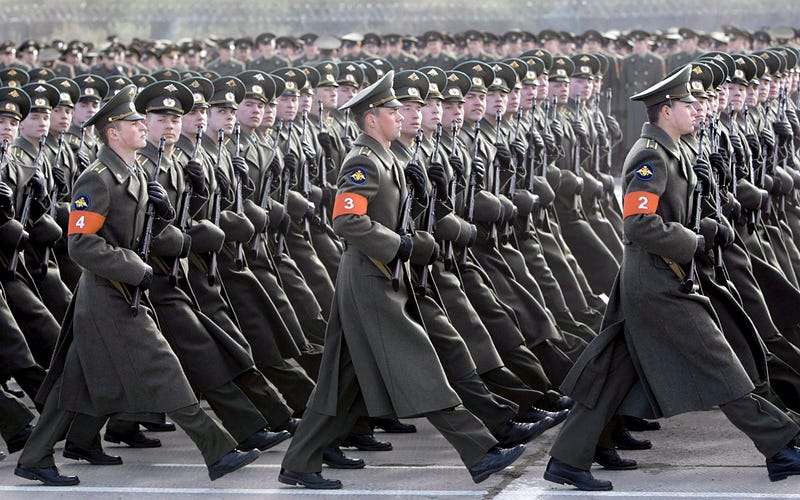
The gravity of Russia’s intentions becomes clearer when considering the scale of its military commitment in Ukraine and the substantial economic and geopolitical costs it has incurred. With nearly half a million troops entangled in the conflict, a battered economy heavily reliant on China, and the looming expense of military reconstruction potentially running into hundreds of billions of dollars, Putin’s Russia is depicted as unlikely to settle for mere territorial gains in Ukraine. The pursuit of a broader strategic footprint in Europe, aimed at offsetting losses and reasserting spheres of influence, appears to be a plausible trajectory for the Kremlin.
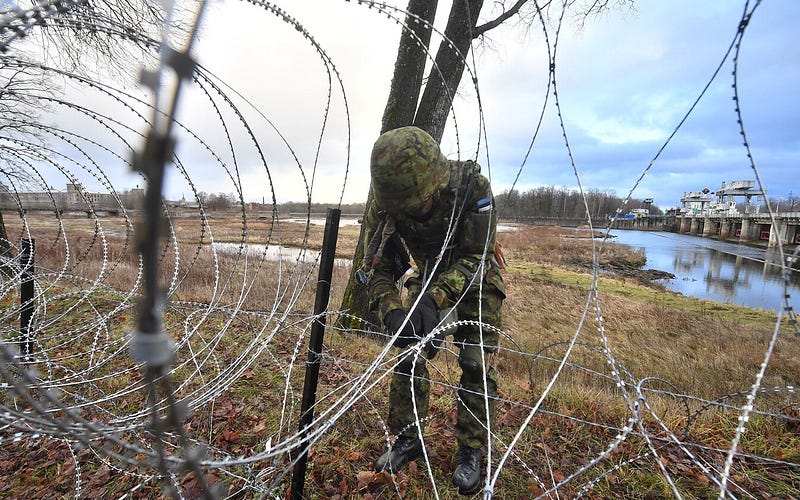
Estonia, sharing a border with Russia, has voiced particular concern over Moscow’s plans to double its military forces along its frontier with Finland and the Baltic states, signaling preparations for a prolonged confrontation. Kaupo Rosin, head of Estonian intelligence, underscored this assessment by suggesting that the Kremlin anticipates a possible conflict with NATO within the next decade. While a direct military engagement with Russia in the near term is deemed “highly unlikely,” mainly due to the Russian military’s commitments in Ukraine, the absence of readiness on NATO’s part could significantly increase the likelihood of such an outcome. Estonia’s stance, reflecting a broader consensus among NATO members, underscores the imperative of preparation and deterrence to mitigate the risk of a wider military conflict with Russia.
As Russia finds itself increasingly isolated on the global stage, with its traditional export revenues severely hampered by sanctions and trade restrictions, the country faces a critical juncture. The situation is further exacerbated by China’s own economic turmoil, which has significantly reduced the support that Beijing can offer to Moscow. This confluence of economic pressures and geopolitical isolation has prompted the Kremlin to adopt a more stringent approach to national control, mirroring, in some respects, the autocratic model seen in North Korea. This shift towards tightening control over the economy and the populace is seen as a necessary measure to maintain stability under the current international pressures.
The pivot towards a more centralized and controlled economic model is not merely a reactionary measure but a strategic realignment towards what can be described as a war economy. This adjustment is driven by the logic that, in the face of mounting international isolation and the diminishing likelihood of a swift resolution to economic sanctions, Russia must prepare for prolonged confrontation. This preparation is not limited to economic measures but extends to militarization and strategic posturing, signaling readiness for a major confrontation with the West.
The implications of this shift are not lost on neighboring states, particularly those in the Baltics and Eastern Europe. These nations, historically wary of Russian expansionism and aggression, have taken note of the Kremlin’s recent moves and are ramping up their own preparations in response. The accumulation of Russian military forces along the borders of NATO members, the aggressive rhetoric emanating from Moscow, and the strategic economic realignment within Russia itself have all contributed to a palpable sense of urgency among these frontline states. They are bolstering their defense capabilities, seeking greater support from NATO, and enhancing their own readiness for a range of scenarios that could unfold from a more militarily and economically fortified Russia.
The stakes of this strategic pivot are high, not only for Russia and its immediate neighbors but for the international community at large. The potential for escalated conflict, either through direct military engagement or through proxy wars, increases as Russia further entrenches itself into a fortress mentality. The international response to this shift, particularly from NATO and the European Union, will be critical in shaping the trajectory of this looming confrontation. The emphasis on preparation, deterrence, and diplomatic engagement becomes ever more critical as the world grapples with the reality of a Russia gearing up for a significant geopolitical showdown.