
Russia Mobilizes 500 Tanks and 40,000 Soldiers for Major Offensive in Kharkiv!
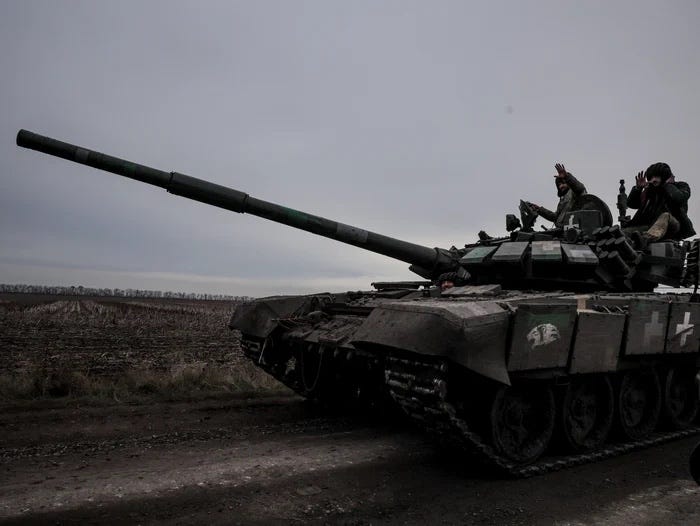
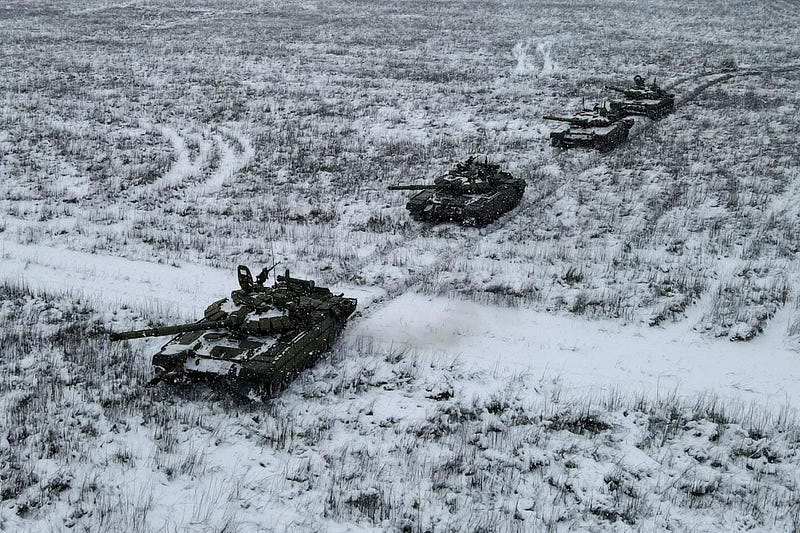
In the ever-turbulent theater of the Ukraine-Russia war, a significant development looms large over the Kharkiv region, marking a potential turning point in the conflict. According to a detailed report by Forbes, Russia has mobilized an overwhelming force poised for a massive assault on Kupiansk – a strategic locale in the region of Kharkiv. This force comprises no fewer than 500 tanks, over 600 combat vehicles, hundreds of artillery pieces, and a formidable contingent of 40,000 troops. This formidable assembly signals not just an escalation in hostilities but a determined effort by the Federation to reclaim and consolidate territories that have seen a fluctuating control, particularly after the brief occupation in 2022 and the subsequent Ukrainian counteroffensive that wrested back control.
The strategic ambition of the Russian Federation stretches beyond mere territorial gain; it aims to secure a decisive swath of the Kharkiv region, previously lost, and to extend its grip fully over the Donetsk and Lugansk regions, reaching to the Oskil river. This objective is set against a critical backdrop – the upcoming presidential elections in Russia by March 2024 – underscoring a tactical play to secure “victories” that could bolster national sentiment and political standing domestically.
Contrasting the Russian preparations, the Ukrainian defense is robust, with approximately 10 brigades, likely numbering around 20,000 soldiers, alongside significant armored and artillery capabilities, stationed around Kupiansk. However, a critical challenge faces the Ukrainian forces: a severe ammunition deficit, exacerbated by a blockade of US aid, specifically the crucial supply of 155 mm shells. This blockade has led to a 60% reduction in ammunition allocations, now down to a mere 2,000 rounds per day. This is starkly contrasted by the Russian forces’ capability to expend upwards of 10,000 shells daily, bolstered by consistent munition supplies from North Korea.
A quick heads-up: Medium’s been tweaking its algorithms and it’s getting trickier for my stories to land in your feed. So, if you enjoy my work, please make some noise! Hit that clap button, light up the highlights, or drop a comment. Every interaction helps keep the stories flowing. Thanks for your support!
This discrepancy in artillery firepower poses a significant challenge to Ukrainian forces, limiting their ability to conduct effective counter-battery fire and to implement their well-known strategy of systematically decimating urban areas to render them indefensible. The analysis by Frontelligence Insight highlights this tactic’s effectiveness, emphasizing the dire situation for Ukrainian defenders.
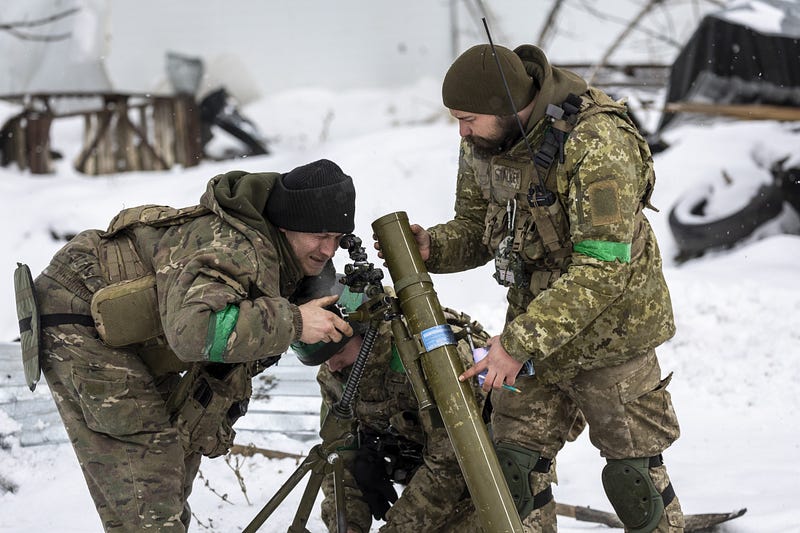
The Institute for the Study of War (ISW) raises concerns over the potential implications of the artillery shortfall and delays in Western security assistance on Ukrainian operational plans. This situation might compel the Ukrainian forces to economize their operations, potentially leading to hard decisions about prioritizing certain front sectors over others where territorial losses might be deemed less detrimental.
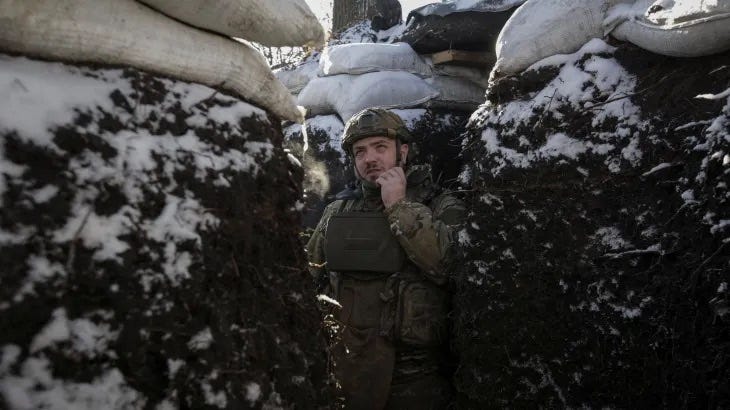
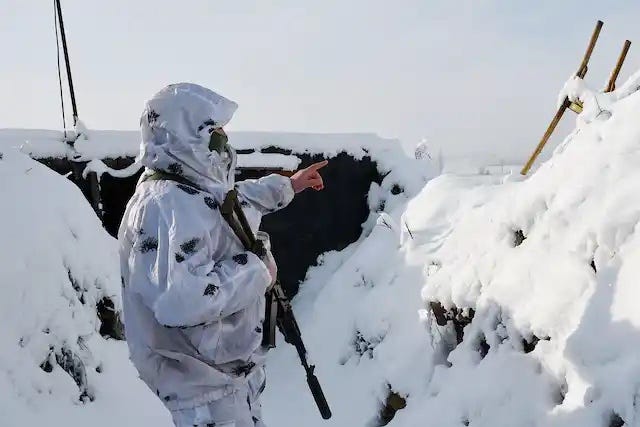
Harkov, with its pre-war population of 1.4 million, stands as Ukraine’s second-largest city and a critical hub for strategic industries, including the main tank manufacturing facility in the country. The importance of holding the line at Kupiansk cannot be overstated, given the city’s significance. In anticipation of the Russian offensive, the Ukrainian Ministry of Defense has been proactive in bolstering its defensive posture, forming new mechanized brigades, and enhancing fortifications through trench digging and bunker construction.
A notable adaptation in the Ukrainian defense strategy is the significant emphasis on FPV drones, produced at a rate of thousands per month. Despite the artillery ammunition rationing, these drones have become a critical component of the Ukrainian countermeasures, consuming thousands daily across the front. However, their limited range – just over three kilometers – restricts their effectiveness against Russian artillery positions, which may be located well beyond their operational reach.
The strategic and tactical landscape at Kupiansk is a microcosm of the broader conflict, reflecting the intense military, political, and humanitarian challenges facing Ukraine. As Russian forces gear up for what appears to be a major offensive, the resilience and ingenuity of Ukrainian defenses will be tested like never before. The outcome of this looming confrontation holds significant implications not just for the Kharkiv region but for the broader geopolitical dynamics shaping Eastern Europe.
The massive military buildup by Russia near Kupiansk, as meticulously documented by Forbes, is not merely a local or regional concern but one that carries profound implications for the broader geopolitical landscape in Eastern Europe and beyond. With over 500 tanks, 600 combat vehicles, hundreds of artillery units, and 40,000 troops poised for an offensive, Russia’s strategic intentions are clear. This formidable force is aimed at securing significant portions of the Kharkiv region, a move that harkens back to the brief occupation in 2022, subsequently reversed by a spirited Ukrainian counteroffensive. The Russian objective to fully capture the Donetsk and Lugansk regions, extending to the Oskil river, is ambitious and underscores a broader geopolitical playbook that seeks to redefine the contours of influence and control in the post-Soviet space.
The timing of this offensive, aimed to culminate before the March 2024 presidential elections in Russia, reveals a calculated strategy to secure “victories” that could resonate well within the domestic political arena, potentially galvanizing support for the ruling administration. This strategic maneuver, however, is met with staunch resistance by Ukrainian forces. Despite being significantly outnumbered and facing a dire ammunition shortage – a predicament exacerbated by the US Congress’s blockade of essential 155 mm shell deliveries – Ukrainian defenders are determined to hold their ground. The discrepancy in artillery firepower, with Ukraine’s allocations slashed by 60%, starkly contrasts with the Russian forces’ ability to fire upwards of 10,000 shells daily, thanks to munitions supplies from allies like North Korea.
This imbalance not only highlights the challenges faced by Ukrainian forces in sustaining effective defensive operations but also emphasizes the critical importance of international support in leveling the playing field. The analysis by Frontelligence Insight and warnings from the Institute for the Study of War (ISW) about the potential impacts of the artillery shortfall and delays in Western security assistance underscore the precarious situation facing Ukraine. The struggle to defend Kupiansk, therefore, transcends mere territorial defense; it is emblematic of Ukraine’s broader fight for sovereignty, independence, and the principle of territorial integrity under international law.
The significance of Kharkiv, Ukraine’s second-largest city and a pivotal industrial hub, cannot be overstated. Home to the country’s main tank factory, Kharkiv’s strategic value to Ukraine’s defense efforts is immense. In response to the looming threat, the Ukrainian Ministry of Defense has been proactive in forming new mechanized brigades and fortifying defensive positions, illustrating a resolve to defend the city at all costs. The incorporation of FPV drones into Ukraine’s tactical repertoire, despite the challenges posed by limited ammunition for traditional artillery, signifies a shift towards asymmetric warfare tactics, leveraging innovation and technology to counter the overwhelming Russian force.
As this standoff intensifies, the international community’s role becomes ever more critical. The conflict in Ukraine is not an isolated incident but a flashpoint that tests the resilience of international norms, the efficacy of collective security arrangements, and the willingness of global powers to support a sovereign nation facing aggression. The decisions made and the support extended to Ukraine in these trying times will have far-reaching implications for global security, the rule of law, and the architecture of international relations.
The battle for Kupiansk is thus a pivotal moment in the Ukraine-Russia war, reflecting not only the immediate tactical challenges but also the broader strategic contest for influence, sovereignty, and the future of the international order. As the situation evolves, the resilience of Ukrainian forces, the strategic calculus of Russia, and the response of the international community will collectively shape the trajectory of this conflict and the geopolitical landscape of Eastern Europe for years to come.
Your engagement and interest in these critical issues are essential. I encourage you to lend your voice, through clapping and commenting, to the discourse on how best we can support Ukraine and uphold the principles that ensure a stable and just world order.


