
Russia Banned ‘Zombieland Saga’ For An Interesting Reason
Animes glamorizing afterlife themes could become common
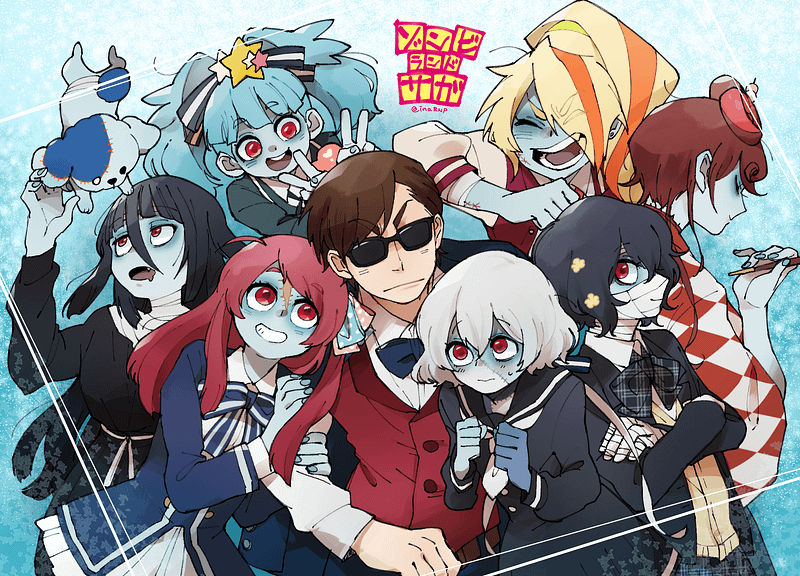
🛑🤚🏾SERIOUS SPOILERS ARE IN THIS PIECE!!!!🛑🤚🏾
I just had the most fantastic time watching Zombieland Saga. At first I did not know what to expect — aside from zombies. However, I was pleasantly surprised by this five-star anime and the lessons will live with me forever. The downside to all of this, is that those in power, view animes like this with a more scrutinizing eye.
Before getting to why Russia banned Zombieland Saga and other animes like it, let’s explore what this anime is about.
The story begins with a middle school aged girl named Sakura. In 2008, Sakura was excited about leaving home for school when suddenly a truck comes out of nowhere and hits her. She dies and immediately the next scene cuts to her waking up.
We think it is the next day, when in fact it is 10 years later, and other girl zombies are also waking up around her. Their manager/the one who awakened them, Kotaro who is alive wants to turn them into a pop idol group to revive the idol spirit that is lost in the city of Saga.
Throughout the anime, we learn about each of the seven girls’ lives, including how they died. Many of their stories are incredibly sad, others were freak accidents. However, Kotaro fully believes that these undead girls can bring life back to Japan.
The running theme of the show seems to be that fate may have killed them, but even that couldn’t stop their bright hope. Which is why season 2 is aptly called Zombieland Saga: Revenge. A revenge against what fate has dealt them.
I give this anime five stars because the music was infections — I couldn’t help singing and dancing to the zombie girls’ songs. I enjoyed how they looked amazing with makeup and contacts. No one could tell they were zombies(unless you count in Zombie Zero who rarely spoke words but dances her butt off).
It was so nice to see an anime fully committed to showing characters’ act of kindness and the spirit of none judgement and forgiveness. As I said, I enjoyed the lessons here.
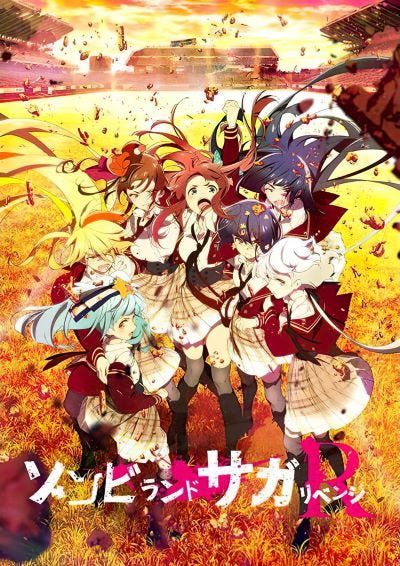
Side funny note: Kotaro would occasionally spray the girls with sealant in case they were going to a pool or at the beach. I thought that was hilarious.
Why would an anime like this be banned?
Zombieland Saga(2018), That Time I Was Reincarnated as a Slime(2018), and the classic Fushigi Yuugi(1995), all have one thing in common — they’re isekai anime.
Isekai means “transportation to another world, either through death and reincarnation or being summoned by a god.”
A typical conversation about isekai, may go something like this:
“Hey Jane, you watched an isekai lately?”
“Yeah! I just finished watching one where a young girl dies in a plane crash and wakes up as a princess in a video-game like world. She collects all these powers and looks beautiful…”
Isekai is just one of many subgenres of manga and animes, but the Kolpinski Court based in St. Petersburg, Russia ruled in favor of banning a few isekai animes and Zombieland Saga is just one of a few. There will be more to come according to an article on Jotaku.
The court ruled that promoting material that show the youth that they can live a better life after life without their parents is dangerous. It shows that life after life is possible and better.
In fact, the article cites the 2013 ban on the manga Death Note when a 15-year-old committed suicide and several volumes of Death Note was found in her possession.
Yet, does this mean there should be a ban on these types of anime? Does the ruling court have a point?
Most religions are based on the premise that if you live your life well, you can go to a paradise where there is joy and everlasting life. Pearly gates and mansions where angels sing, etc.
That sounds real good to me. I know it sounds good to you too.
Yet, isekai anime is coming under fire because showing the youth that zombies can sing and dance and look cute, or that a character can die and resurrect as a hero — sends the message that a person is better off in that life versus real life.
As far as the young soul with Death Note mangas in her possession — I’m not sure if the anime encouraged that because the anime is specifically about a boy named Light who wants to stop all crime, but he does it in a way that is sadistic and with a God Complex. I think suicide is a small part of the anime, but it is mostly homicide and freak accidents.
Overall, I do see the court’s point. We never want the youth to be exposed to films and books that promotes harm in any way, or to promote that an unknown afterlife is preferable to this one.
However, I don’t think these animes are particularly harmful. Some youth today, if not most, know the difference between fact and fiction and so far that I know, dancing zombies is pure fiction.
I can admit, that these other worlds seep into your visual pores though. It gives you a most joyous feeling for just a few moments, but then you are back down to reality once the show ends.
Kind of like how I feel after a good sermon or bible reading. Eventually I must deal with life here on Earth — and am still blessed to be alive.
Thank you for reading!
If you feel that my articles are adding some value to your life, let me know in the comments, or simply share and subscribe. If you’d like to contribute to my Youth Joy of Reading where I am collecting to raise funds for books, please head over to my Kofi.💖