

Rotifer Farm
How we might domesticate invisible animals for human-microbe interactions
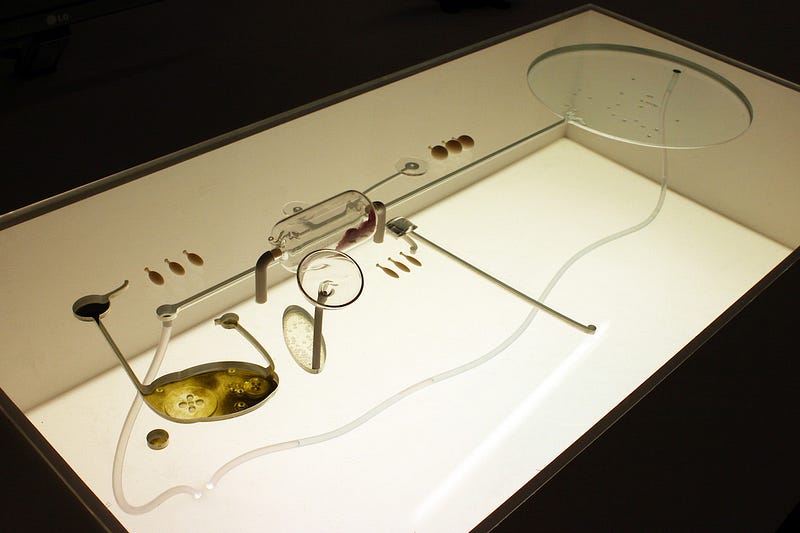
Upon closer inspection, our existence is overlapped with alternate microscopic worlds bustling with thriving microbial societies. One of my many fascinations lies in unveiling the potential for our engagement with this microbial universe, emphasizing the diverse levels of interaction and manifesting tangibility from a realm that largely eludes our human senses of unaided sight, touch, smell, taste, and sound.
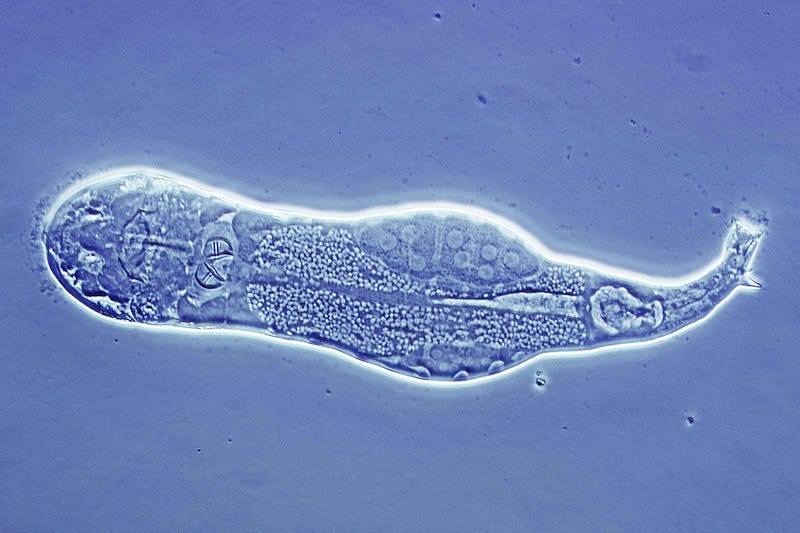
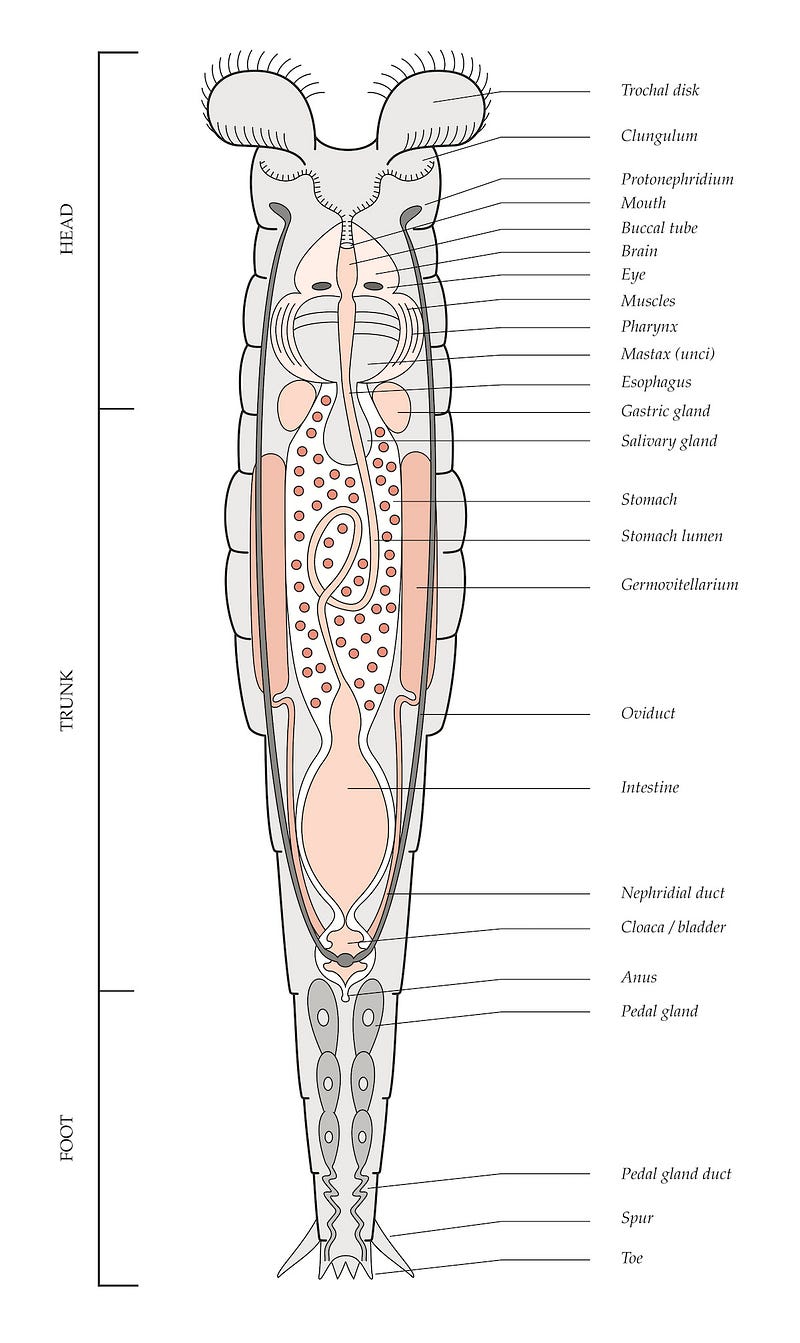
In thinking about this peculiar and distinct space, reminiscent of a farm or playground, I contemplated the cultivation of rotifers (also called bdelloid rotifers)— an often-overlooked microscopic species inhabiting various soil and grassy areas of the outdoors. Grounding it in current biological knowledge of Rotifers and the biotechnical feasibility of how the microbes could be harnessed, I have proposed a semi-fictional farm consisting of rotifers. These minute creatures, typically found in freshwater environments, represent some of the smallest members within the Metazoa kingdom, measuring about 0.5 mm or less in length and boasting bodies composed of approximately a thousand cells. Rotifers are, in fact, a type of animal.
Rotifer Farm
In this envisioned space, the idea is to design interfaces that enable humans to engage and interact with these miniature yet intriguing animals. Picture a setting where these tiny beings become accessible and part of a multifaceted experience, offering a bridge between our macroscopic world and the unseen microcosm. Whether it be through innovative cultivation methods or interactive interfaces, the goal is to bridge the gap, enabling a deeper understanding and appreciation of these often unnoticed yet incredibly intricate life forms.
Map
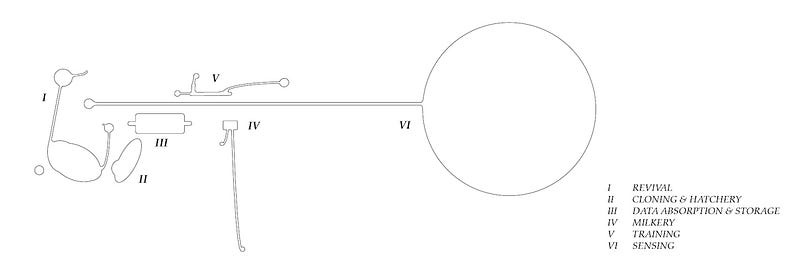
The farm is divided into different units, with different interfaces for human-rotifer interactions to occur. Zone I: Revival, Zone II: Cloning & Hatchery, Zone III: Data Absorption & Storage, Zone IV: Milkery, Zone V: Training, and Zone VI: Sensing.
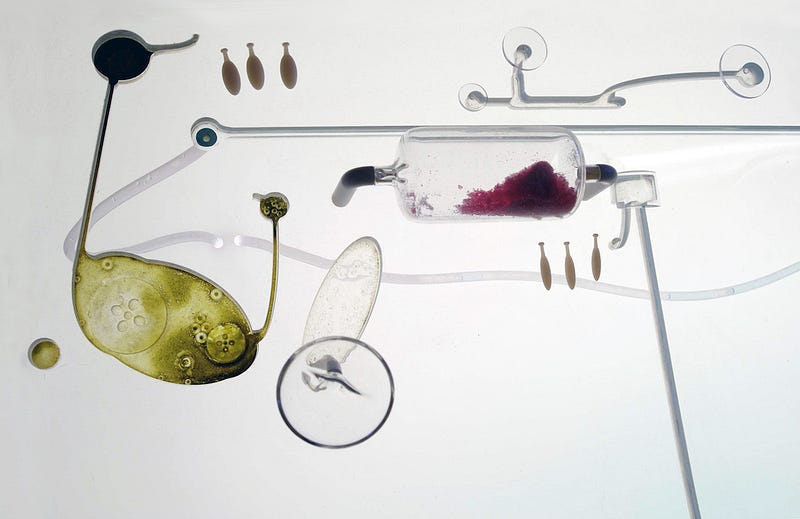
Zone I: Revival
This zone will serve as a bioreactor unit for the rotifers, to facilitate potential revival and culturing of rotifers. Rotifers often lay dormant in soil under stressful conditions and may be revived through heat and moisture. Similar behaviors of dormancy and revival are also observed in other microscopic species such as water bears and nematodes, which are animals that are perhaps more familiar to the general public.
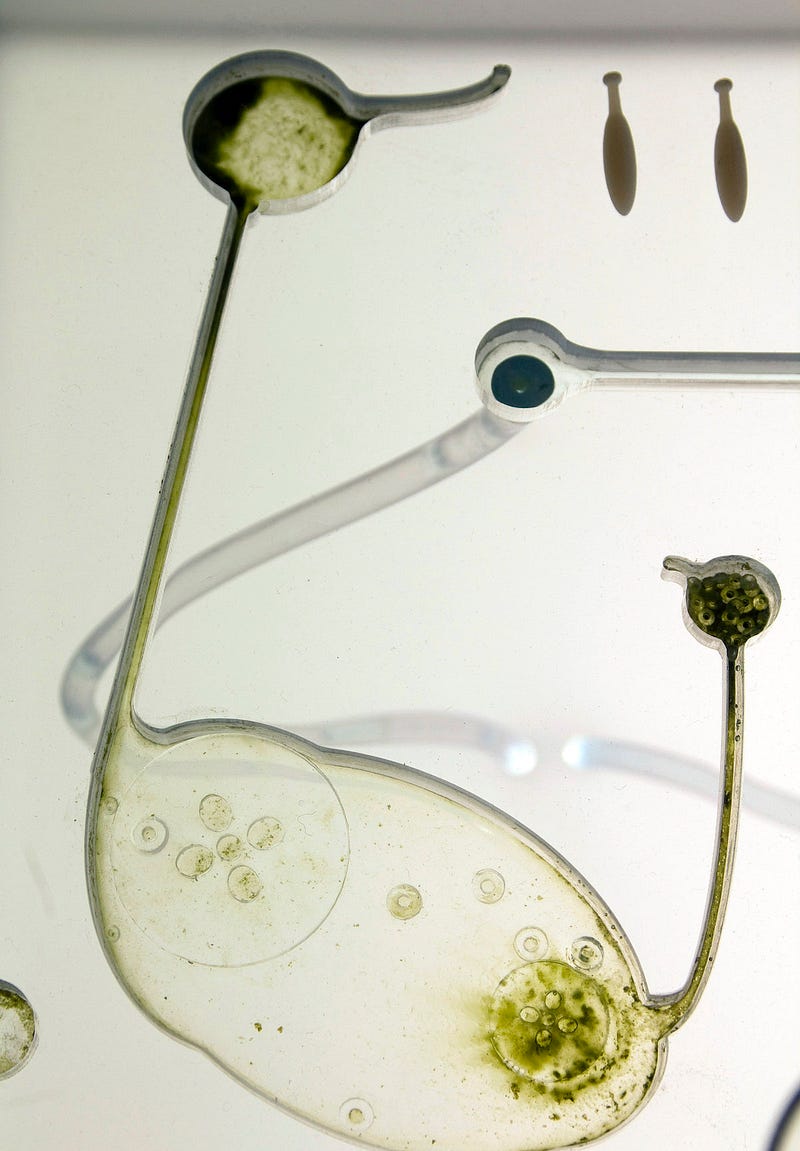
Zone II: Cloning and Hatchery
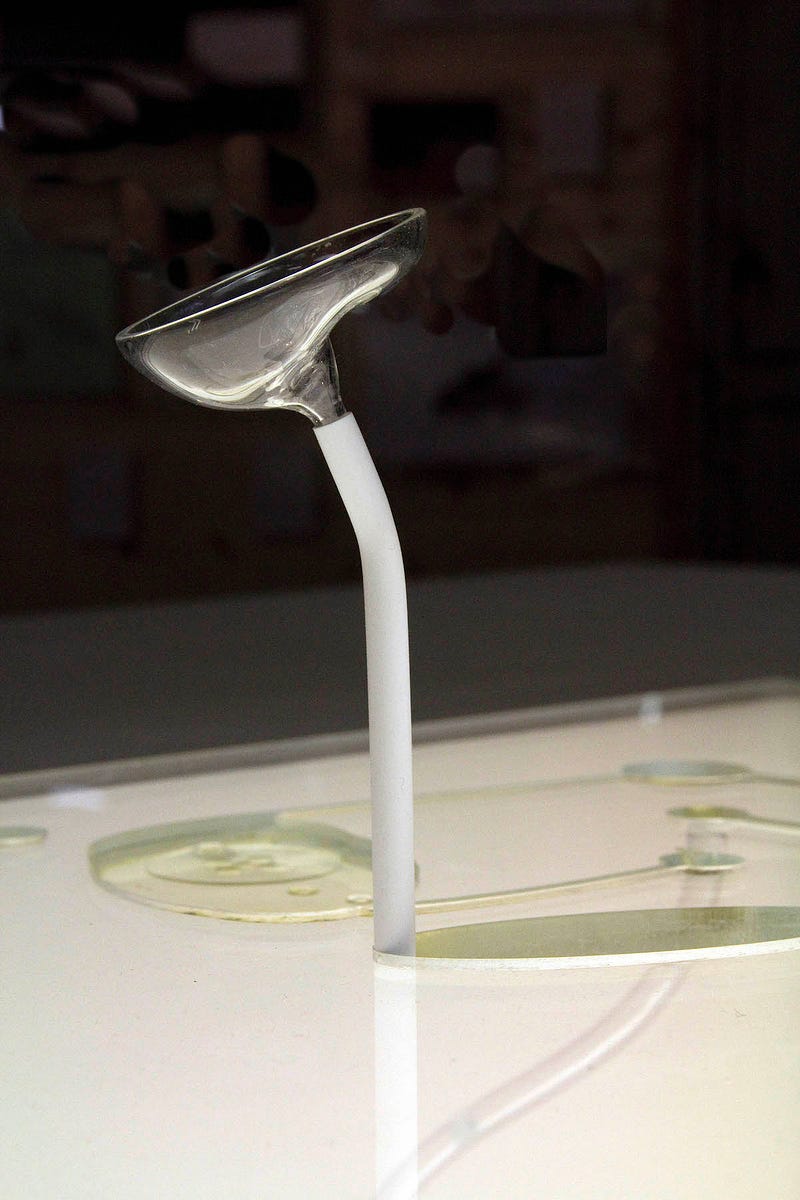
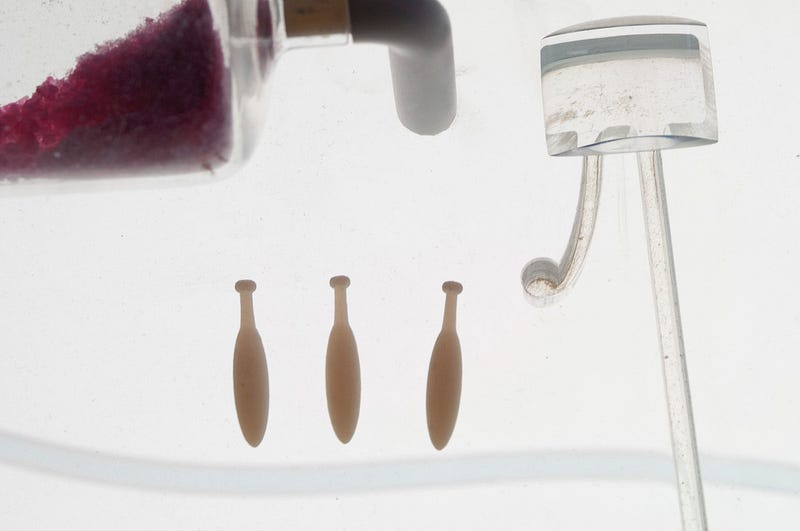
This is where rotifers can be cloned or hatched. For human users to clone or hatch rotifers, they would need to feed the animals through saliva, which contains nutrition-rich bacteria that normally reside in the lining of the human mouth. The feeding session involves spitting into a glass port to collect the saliva and the bacteria, which are then fed via a white tube to the waiting rotifers.
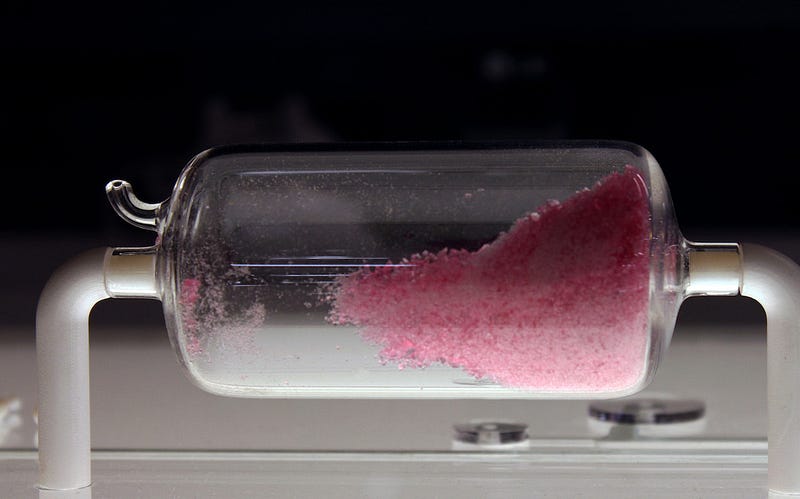
Zone III: Data Absorption & Storage
Rotifers are periodically left outside to be exposed to the outdoor air, for them to absorb foreign DNA material that contains biological data. The data containing rotifers are then dried and stored under this zone: Rotifers can take on seed-like spores that can lay dormant for many years. Spores are extremely resilient to harsh conditions and as such are considered for space travel by the European Space Agency (and NASA), as well as a chassis for DNA-based digital data storage.
(Side note: Rotifers, among the earliest microscopic animals considered for space travel, share this distinction with water bears (tardigrades), which are more widely recognized by the public. Water bears received considerable interest and media attention during their trials for space missions, possibly due to their cuteness and poster appeal, which unfortunately overshadows the humble rotifer. It seems that the aesthetic appeal of water bears might have played a role, highlighting the advantage of being visually appealing in gaining attention and recognition.)
Zone IV: Milkery
Proteins produced by rotifers may be harvested in milkery zone, where pipettes are used to fish out the macromolecules.
Zone V: Training
Various environmental stimuli are applied to rotifers, to train and experiment on the microbes.
Zone VI: Sensing
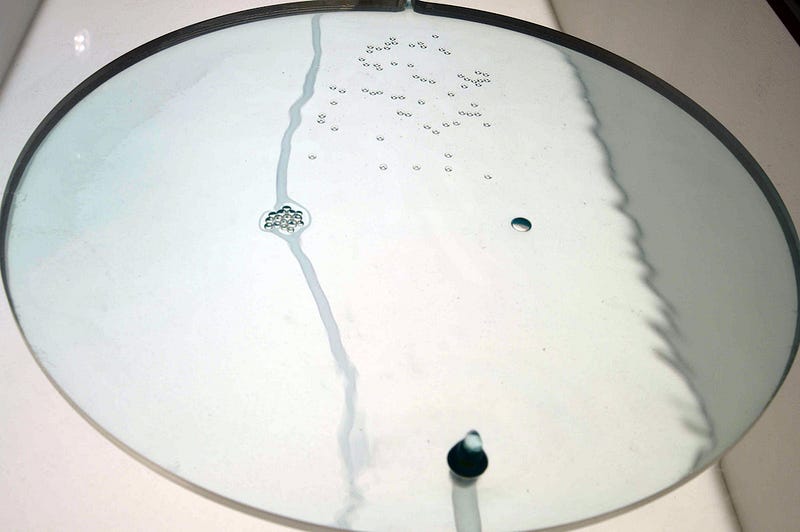
Rotifers possess a biosensing potential that extends beyond their natural abilities. They could be engineered through genetic modification to emit green fluorescence — a widely recognized visual cue signifying genetic alteration. Imagine a bio-sensing domain where these genetically modified rotifers serve as sentinels, finely tuned to detect even the most minuscule traces of various substances in water, spanning from toxins and hormones to precious metals and microscopic organisms. By harnessing rotifers in this way, it essentially reframes the notion of a ‘farm’, going from a traditional one with large (and visible) animals to a technologically-mediated and invisible one with microscopic animals.
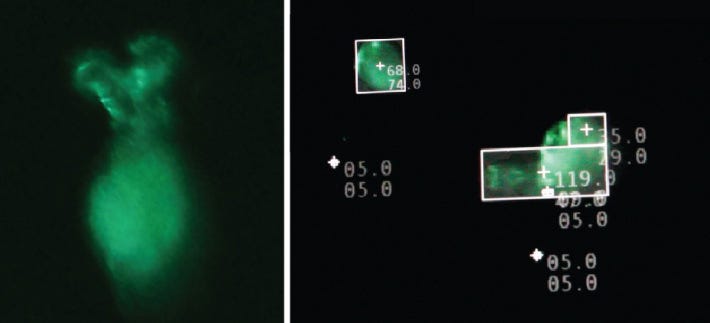
The fluorescent signals emitted by these engineered rotifers could also pave the way for a type of biodigital data stream. Tracking and quantifying these glowing signals, from the biological to the digital can yield a comprehensive dataset. Such biodigital convergence may help to unveil nanoscale changes within our environment. What makes this approach interesting, is its capacity to detect alterations that might escape the notice of existing electronic and digital sensors.
Final Thoughts…
The Rotifer Farm explores domesticating microscopic animals for human-microbe interactions in various zones. These include zones for reviving dormant rotifers, cloning & hatchery where human saliva nurtures their growth, and data absorption & storage where rotifers collect biological data. Milkery harvests proteins, training exposes them to stimuli, and sensing envisions genetically modified rotifers as fluorescence-emitting sentinels detecting trace substances. This technological ‘farm’ reframes our understanding, offering a unique approach to uncovering nanoscale environmental changes that escape traditional sensors.