Roots of War
Exploring the Roots and Reasons Behind Conflict
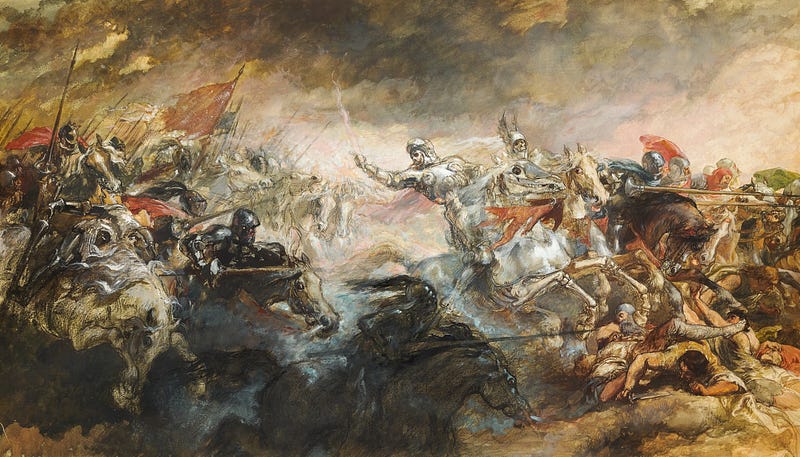
Despite the enormous amount of information and wisdom that people have gained over time, war is still a major international problem. It’s a terrible event that has caused a lot of pain, killed innocent people, and done a lot of damage. Even though people know a lot about war, why do they still fight them? Rooted in human history and civilization, conflicts arise from a tangled web of factors.
Wars are often caused by wanting to control and have power. Throughout history, countries and their leaders have been trying to get more power over other countries. Many wars have been fought over the desire for land, money, and power. This power struggle can be seen at many levels, from government dominance to economic supremacy.
In many cases, disagreements stem from fundamental ideological differences. Political, religious, or cultural differences in beliefs can lead to an increase in hostilities. When diplomacy fails, differences in ideas and principles can lead to violence. Economic factors have a significant impact on war.
Armed conflicts may break out due to rivalry over finite resources like water, energy, and arable land. The prevalence of economic gaps and inequities, both within and between nations, frequently leads to increased tension and, in some circumstances, violence.
Being proud of one’s country and one’s identity can do both good and harm. When carried to extremes, national pride may fuel conflicts while fostering togetherness and purpose. Wars have frequently developed from historical grievances and ethnic disputes as various communities have sought to affirm their identity or obtain independence.
Violence can also be sparked by political discontent and calls for a change in government. Wars and protests happen when governments don’t meet the reasonable demands and requirements of their people. The fight might worsen if extra forces joined opposing sides.
Finally, the causes of conflict are complex and rooted in the history of the human race. Knowing why people act the way they do is essential for conflict avoidance and resolution.
Even though humanity has amassed a vast store of knowledge and experience, it is of the utmost importance that this information be used to seek peaceful solutions, advance diplomatic efforts, and cultivate a global community based on mutual respect and understanding. By doing so, we can progress towards a world where conflicts’ devastation and suffering are forgotten.
Wars bring destruction, loss, and pain. Their moral lesson is clear: the value of peace, empathy, and diplomacy. Please share your thoughts on working towards a more peaceful world.