“Roots of Today: The Complex Legacy of Black Native Americans”
In the tapestry of American history, few threads are as complex and intricately woven as those of Black Native Americans. This unique intersection of identities encapsulates a history of convergence, conflict, and coexistence that challenges our understanding of racial and cultural dynamics in the United States. At the heart of this narrative are systemic racism, the legacy of slavery, and the ongoing struggle for recognition and reparations — a triad of issues that, while widely acknowledged, remain fraught with controversy and unresolved tensions.
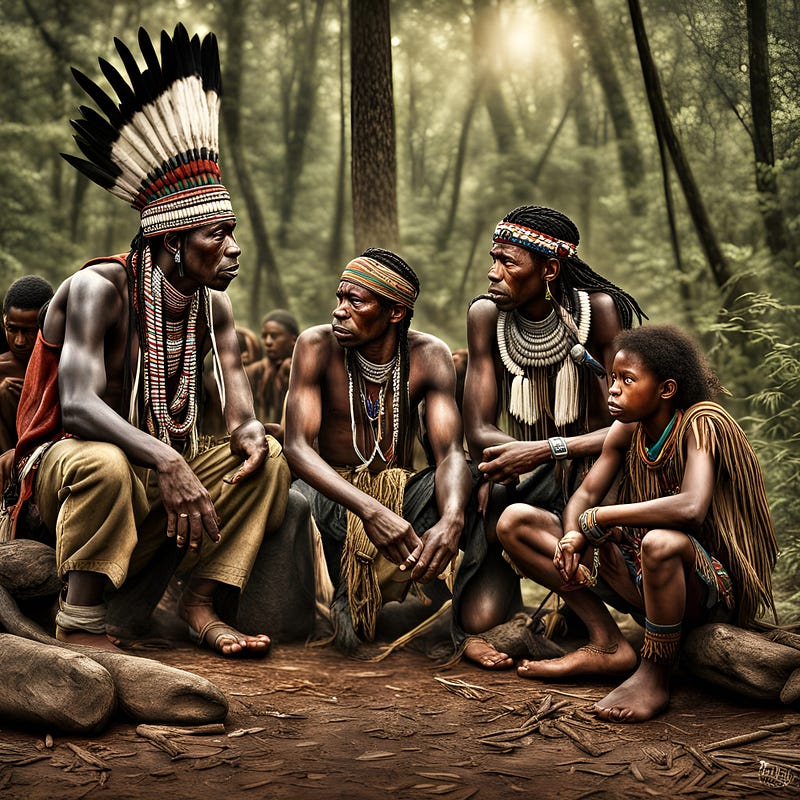
The history of Black Native Americans begins with the forced migration and enslavement of Africans by European colonizers, who introduced a brutal system of slavery to the New World. This system did not exist in isolation; it intersected with the indigenous populations of the Americas in complex ways. African slaves often escaped to Native American communities, seeking refuge and sometimes integrating into these societies through marriage, adoption, or assimilation. Conversely, Native American tribes themselves faced displacement, violence, and systemic efforts to erase their cultures by the same colonial powers.
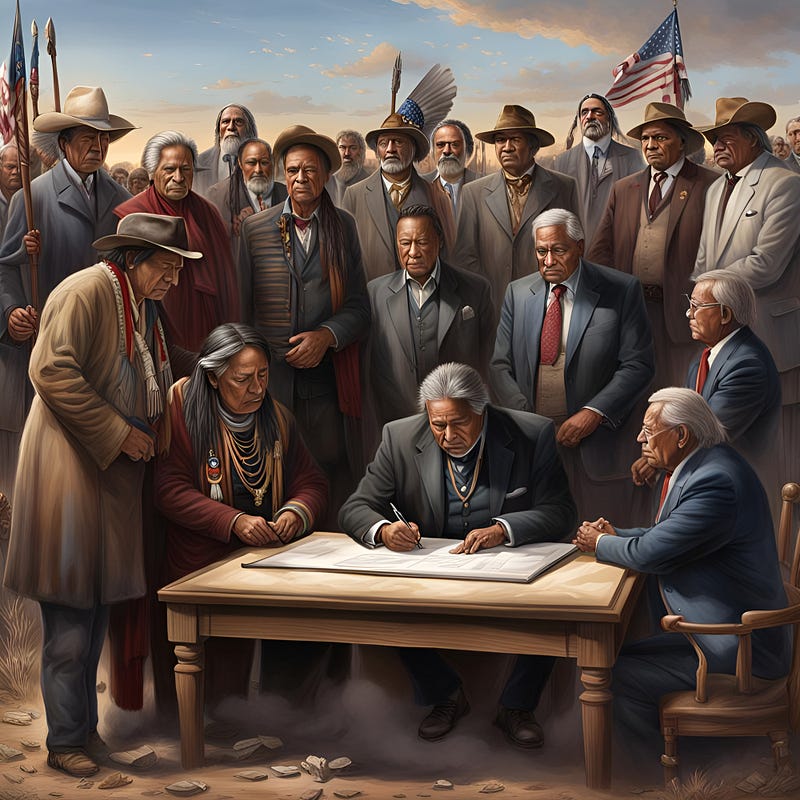
As the United States expanded, the intertwined fates of African Americans and Native Americans were further complicated by policies of removal and assimilation directed at Native peoples, alongside the abolition of slavery and the fraught process of Reconstruction. The Dawes Act of 1887, for example, aimed to assimilate Indigenous people into American society by allotting individual plots of land.
This policy also opened a loophole for African Americans, particularly those who had integrated into Native societies, to be classified and registered — often inaccurately — within the Dawes Rolls, leading to complex legal and cultural disputes over identity and tribal membership that continue to this day.
The legacy of these intertwined histories is a landscape of systemic racism that affects Black Native Americans in unique ways. They navigate a dual heritage that is often marginalized within both African American and Native American narratives. The systemic issues facing Black Native Americans include, but are not limited to, racial discrimination, cultural erasure, and socio-economic disparities.
One of the most contentious issues in this nexus of history and identity is the concept of reparations. The debate over reparations for Black Native Americans involves not only the historical injustices of slavery but also the broken treaties, land theft, and cultural genocide experienced by Native American tribes. This dual claim to reparations raises complex questions about accountability, the forms that reparations should take, and how to address these historical wrongs in a way that honors the unique experiences and identities of Black Native Americans.

Moreover, the struggle for recognition and reparations for Black Native Americans is symbolic of a broader challenge: confronting and addressing the deep-seated legacies of colonialism, slavery, and systemic racism. This involves financial compensation and a comprehensive effort to acknowledge historical injustices, preserve and revitalize cultural identities, and dismantle the systemic barriers that perpetuate inequality.

My Final Thought
The story of Black Native Americans is a poignant chapter in the broader narrative of American history, embodying the complexities of identity, the enduring impact of historical injustices, and the ongoing struggle for recognition, justice, and equity. It challenges us to confront uncomfortable truths, engage in nuanced and informed dialogues, and work towards a more inclusive and equitable society. The roots of today are deeply embedded in the past, and understanding the journey of Black Native Americans is crucial to addressing the systemic racism and disparities that persist in the present.
~ Dr.Têi•B ~