
Romanticism in the Expressive Arts
The rebirthing of the spiritual and modern culture of the Middle Ages

The term ‘Romanticism’ “Derives from the medieval chivalric tale the Romant.” (Gowing, Lawrence 1983, The encyclopaedia of visual art, volume 4, 40)
Visual artists saw romanticism as the rebirthing of the spiritual and modern culture of the middle ages. It was the primary movement involving all of the art forms, which started in Europe in the early nineteenth century. They believed that it was a way of behaving, thinking and viewing, that it could not be described in words and have characteristics assigned to it. The move into romanticism for them stood for an emotive and perceptive outlook.
The ‘Romantic ballet,’ defined by (Craine and Mackrell, 2000, The Oxford dictionary of dance, [online]), was a change in ballet style that came about in the 1830’s. The change first started in France and saw the ballet become more exotic with an ethereal quality. Dancers were often depicted as fantasy characters, sprites, fairies and ghosts and their change in costume to the romantic tutu and soft flowing dresses further emphasised this. Their dance style became light and the illusion of flight used, often with the aid of flying harnesses and wires. More importantly though, the development of dancing on Pointe and soft gas lighting further enhanced the fantasy world they created.
Visual artists believed that romanticism was a change in behaviour, thoughts and opinions that could have no specific characteristics applied to them. However the romantic ballet saw the transition into romanticism as having very specific characteristics, a soft, light quality in the dance, flowing ethereal costumes and moreover, a predominantly female troupe depicting fantasy characters. Nevertheless, both art forms agreed that romanticism was a change towards a more spiritual and naturalistic outlook that was the primary movement in the early nineteenth century.
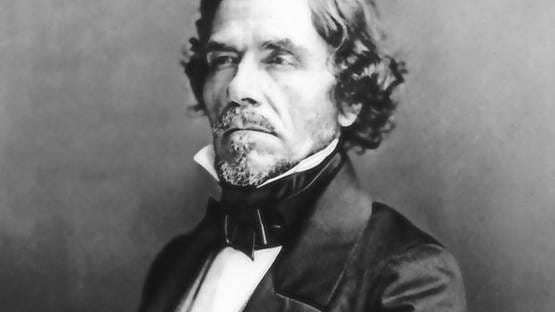
Ferdinand Victor Eugene Delacroix, was born in Chareton St. Maurice, near Paris in 1798. He was widely regarded as one of the most influential French artists of his time. In 1815 he studied under the guidance of Pierre-Narcisse Guerin and was soon on his way to a career that would produce over 850 paintings.
The years between 1827 and 1832 were considered Delacroix’s finest, he produced many masterpieces one of them being, ‘La Liberté guidant le peuple,’ painted in 1830, this was considered to truly symbolize the romantic ideal.
Delacroix continued to do his much loved architectural painting, including murals at the King’s chamber and panels at the ‘Louvre’ up until 1861. His work was demanding and often consisted of elevated work on scaffolding, in draughty conditions, which affected his health, he died in 1863.
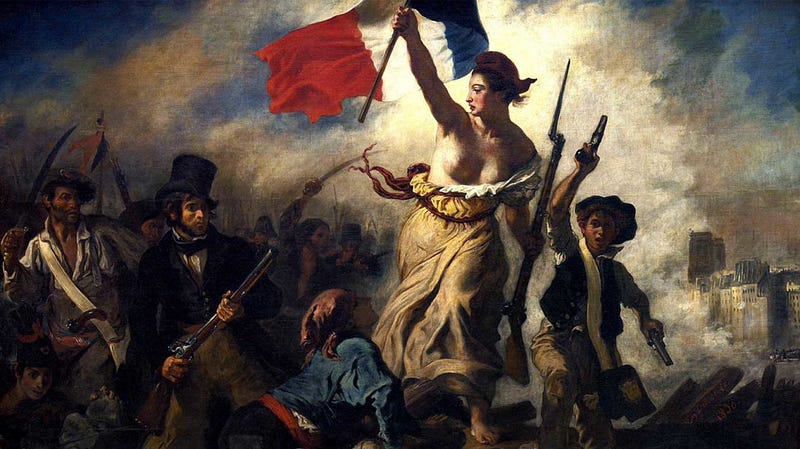
Painted in 1830, this painting was considered to truly resemble the ideal of romanticism. The woman elevated above the surrounding chaos in flowing dress, gives the painting the romantic ethereal quality of the time. The fact that the dress bears most of her breasts reiterates the exotic and sometimes sexual undertone assigned to the romantic period. The woman seems to be leading the men in their battle, which further drives home the idea, that women were very much at the forefront in the romantic revolution.
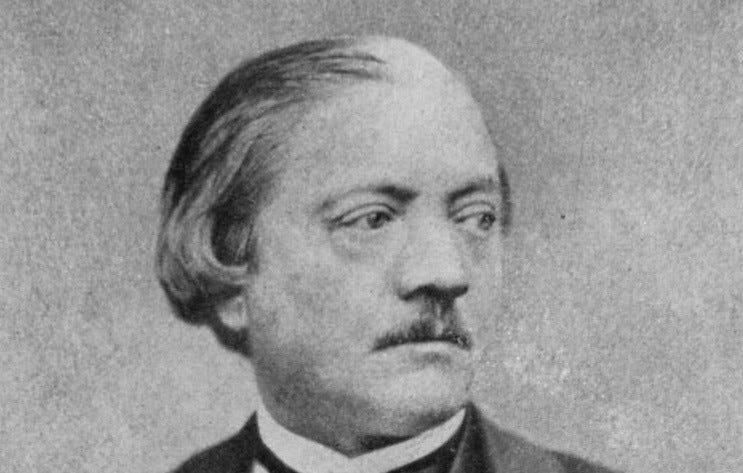
Jules Perrot was born August 18, 1810 in Lyon, France. His father worked in the theatre and it is said that his father decided that Perrot should become a dancer. At the age of nine Perrot started his training and at ten was working in Paris during the day and performing comedy on the stage at night. He decided to turn his attention wholly to classical dance and started training with Auguste Vestris.
Perrot was not considered a good looking man and has even been described as ugly, however he had a talent for jumping, had good elevation and slender legs that looked pleasing in tights.
In 1830 Perrot made his debut at the Paris Opera and within a year had been promoted to principal dancer. In 1835 Perrot left the Opera and toured around Europe, he ended in Naples where he met Carlotta Grisi, he soon became Grisi’s tutor and mentor and in 1836 they performed together in London. It was around this time that Perrot started to experiment in choreography and was to soon add his contribution to the production of ‘Giselle,’ one of the biggest romantic ballets of its time. Unfortunately even though Perrot made a considerable contribution to the choreography of Giselle and was said to have arranged all of Grisi’s parts, he received no credit for his input. Whether credited for it or not, Perrot’s involvement led to the success of Giselle, which hailed all elements of a romantic ballet of its time.
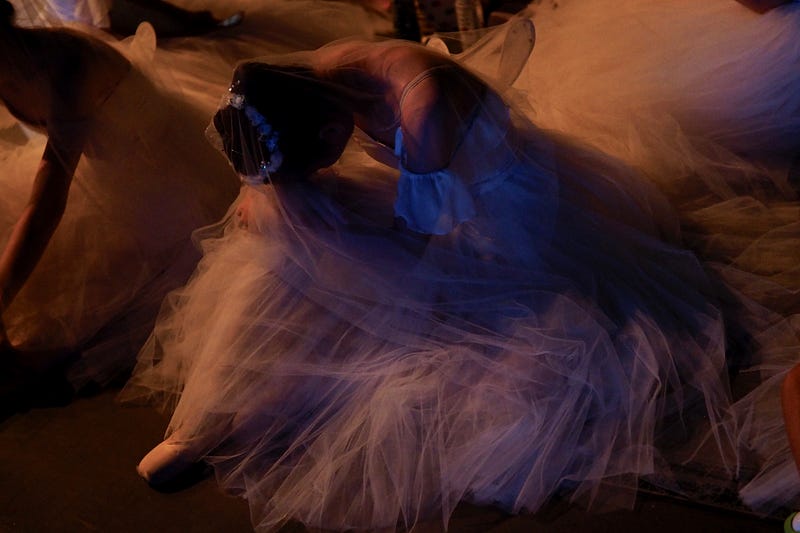
Giselle is undeniably thought of as a ‘romantic’ ballet. It was set in exotic surroundings and encompassed mystery, beauty, danger and death. The dancers wore long, flowing romantic tutus and special machinery was even used to produce flight. However in the original production, pointe shoes associated with the romantic period had not yet been created, so Grisi wore satin slippers tied with ribbons. The original production also used extensive mime which in current times has now been replaced. Giselle creates an ethereal world for the audience filled with ghosts, intrigue and soft lighting with no happy ending and is a masterpiece in the true romantic style.
Article written by Drama Llama | Educator | Writer | Academic | Consultant