
Romance vs. Moody Relationship: Understanding The Difference
Relationships are an important part of human life and come in various forms.
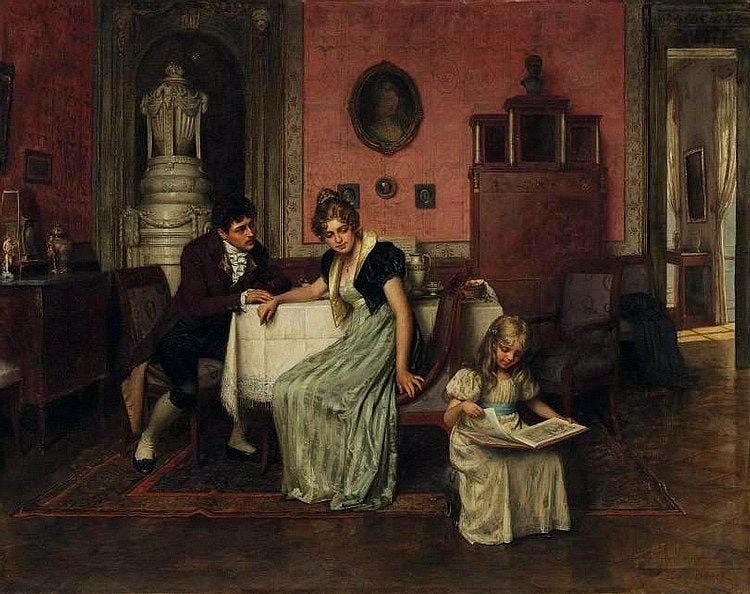
Two common types of relationships are ‘Romantic’ and ‘Moody’, which can differ significantly in their dynamics and outcomes.
Romance: A Blossoming Love Story
A romance is a relationship characterized by affection, passion, and intimacy between two people. It is often marked by positive emotions such as love, joy, and excitement.

In a ‘Romantic’ relationship, partners express their feelings openly, show appreciation, and make efforts to strengthen their emotional connection. Gestures of affection, such as gifts, compliments, and physical touch, are common in Romantic relationships. Communication tends to be open, honest, and positive, with mutual respect and understanding.
A ‘Moody’ relationship, on the other hand, can be characterized by frequent changes in emotional states, ranging from positive to negative. Being in a Moody relationship is like riding an emotional rollercoaster. Mood swings, unpredictable behavior, and inconsistency in emotions and actions are common in moody relationships.
Partners may experience periods of intense affection and intimacy followed by periods of distance, withdrawal, or moodiness. Communication can be challenging in touchy relationships due to mood fluctuations and instability, leading to misunderstandings and conflicts.
Emotional Stability

Romance generally involves emotional stability, where partners are emotionally available, supportive, and consistent in their affection.
In a ‘Romantic’ relationship, partners tend to be reliable and predictable in their emotions and behavior, creating a sense of security and trust.
‘Moody’ relationships may be marked by emotional volatility, with unpredictable mood and behavior changes that can create tension and uncertainty.
Partners in touchy relationships may struggle to understand and manage each other’s emotions, leading to instability and inconsistency.
Communication Openness
Romance often involves open and positive communication, with partners expressing their feelings and needs openly and honestly.
In a ‘Romantic’ relationship, partners tend to listen to each other, communicate their thoughts and emotions effectively, and work together to resolve conflicts.
In ‘Moody’ relationships, communication can be challenging due to mood swings and emotional inconsistency.
Partners may need help understanding each other’s changing moods and behaviors, leading to miscommunication, misunderstandings, and conflicts.
Relationship Satisfaction

Romance tends to create a positive and fulfilling relationship experience where partners feel loved, respected, and appreciated.
In a ‘Romantic’ relationship, partners often prioritize each other’s needs, share common interests, and work towards building a meaningful connection. This can lead to higher relationship satisfaction and overall well-being.
In ‘Moody’ relationships, inconsistency in emotions and behavior can create stress and uncertainty. Partners may need help with the unpredictable nature of the relationship, leading to lower relationship satisfaction and increased focus.
Long-term Stability

Romance has a higher likelihood of leading to a stable and long-term relationship, if it is based on positive emotions, mutual respect, and emotional stability.
In a ‘Romantic’ relationship, partners tend to have a solid foundation of love, trust, and commitment, which can contribute to a lasting and fulfilling partnership.
In contrast, ‘Moody’ relationships may be a struggle to sustain over the long term due to the inconsistent and unpredictable nature of the relationship dynamics.
Of course, in the long-term, partners may have to work to navigate the emotional ups and downs, leading to challenges in maintaining a stable and healthy relationship.
I write about facts, poems, history, and entertainment follow and subscribe so you can get the best experience of writing
Follow my referral link for more interesting stories tips and more


