
Role of the HBCU
Knowledge and Leadership in a Partitioned Society
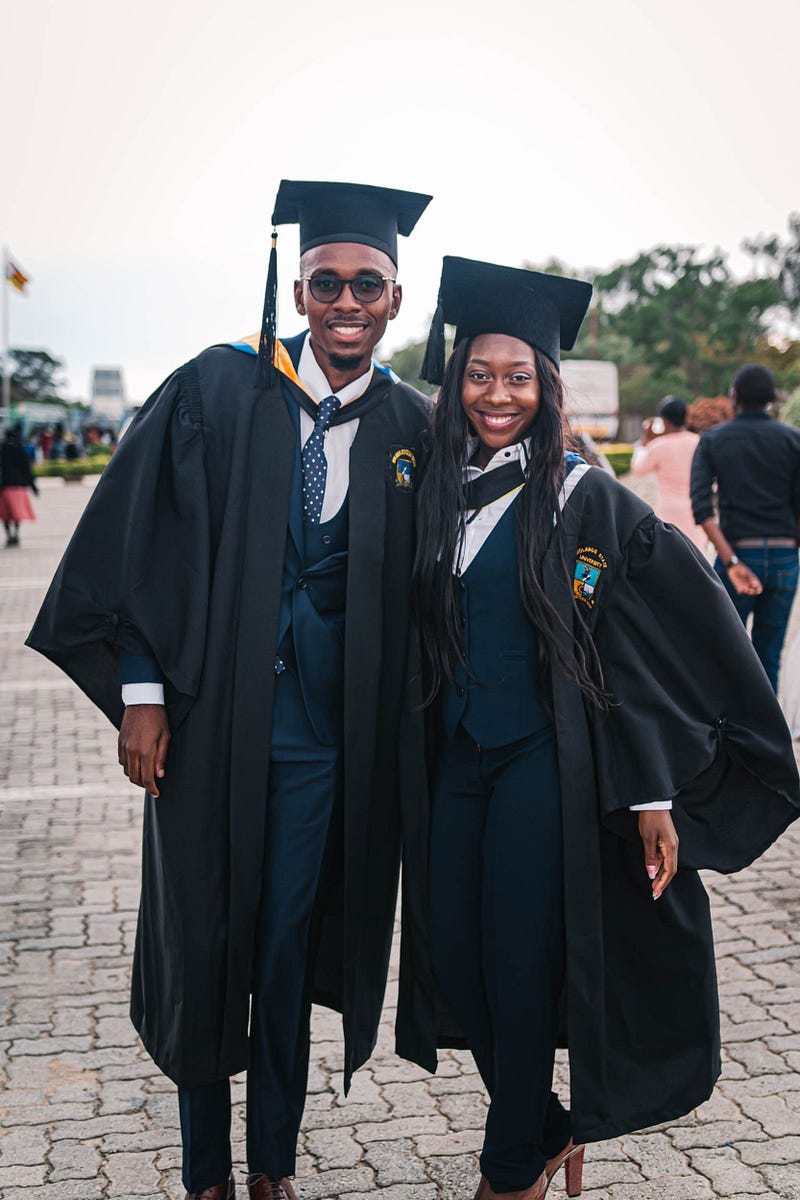
I often joke with my wife and tell her that she graduated from the best high school in our city and I completed my secondary studies at the worst. She completed her undergraduate education in three and a half years while I took more than fifteen years to earn a Bachelor’s degree.
After secondary school I attended one of our nation’s finest Historically Black Colleges and Universities (HBCU). They admitted me with my academic deficiencies and provided the remedial instruction that I needed.
Admissions Officers at some of these institutions understand that many youngsters of color have been denied equitable access to educational opportunities and need an extended hand to achieve meaningful life goals. This is one immediate advantage of HBCU education.
It is unfortunate that our schools systematically place youngsters of color in lower expectation classes than their Caucasian counterparts. They are effectively denied a quality education and made to believe that it is their own fault.
Regrettably my academic shortcomings were severe and I was forced to leave the university and enlist in the U.S. Marine Corps. During my last tour of duty in Vietnam, I wrote to the university asking to return and continue my studies.
They replied that there was nothing in my previous academic records to indicate that I would succeed if given another opportunity. So, they denied my request — “tough love!”
This was the second lesson that my HBCU experience had taught me. If I expected to achieve the academic goals that I had set for myself, I had to put forth a great deal more effort.
My mom was present when my Ph.D. was conferred and commented, “You have been going to school for the past forty-nine years. Are you finally finished?” I guess by that time I had thoroughly internalized the second lesson of my HBCU experience.
From a historical perspective, the third and perhaps the most important aspect of opportunities offered at these institutions is the spiritual development of its students. This single characteristic helps students build a strong self-identity. It develops in them a realization of their social responsibility to their subjugated fellow citizens and energizes them to excel in their chosen profession. I have written on the importance of Spirituality in African American Education previously.
Many graduates of these prestigious institutions have become leaders in business, education and cultural activities. Recognizing their responsibility to society guided by their faith in the Almighty, they have fought for the human rights of themselves and others and continue in these efforts today.
They have demonstrated perseverance in the face of social and economic partitioning. When their families were abused and their churches and businesses burned, they steadfastly held securely to the collective values of a democratic society.
Three HBCU Characteristics
Years later, after completing my graduate studies I taught as an adjunct professor at an HBCU. This was a fulfilling experience because I understood the difficulties that students had to overcome just to attend college.
There were in my classes students that were as unprepared for post secondary academics as I had been. There were also students that excelled in their studies and would probably do well in their chosen profession.
I have learned that both groups could benefit just as I did, from the three characteristics mentioned herein. Willingness to help others, work hard to achieve ones goals and reverence for The Almighty would assist in the development of any student and prepare them to fully participate in advancing our American society.
The road of America’s HBCUs has been splattered with potholes. Yet, they continue to serve our nation admirably. The model that they represent is one of patient perseverance and steadfastness in the face of difficulties demonstrating their value to American society. Now it is time to recognize their contribution to our nation and the lessons to be learned from them.


