
Role Of Nature in a Healthy Life.
In our modern, fast-paced world, where screens dominate our attention and concrete jungles define our environment, we often forget the intrinsic connection between human beings and the natural world. Yet, this connection is fundamental to our well-being. Nature plays a pivotal role in promoting a healthy life, offering a range of physical, mental, and emotional benefits that are irreplaceable.
In this story, we will delve into the numerous ways in which nature contributes to our overall health. From the restorative effects of natural landscapes on our mental well-being to the physical advantages of outdoor activities, we will uncover the science and wisdom behind the healing power of nature. Join us on this journey as we rekindle our relationship with the natural world and recognize its profound impact on our lives.
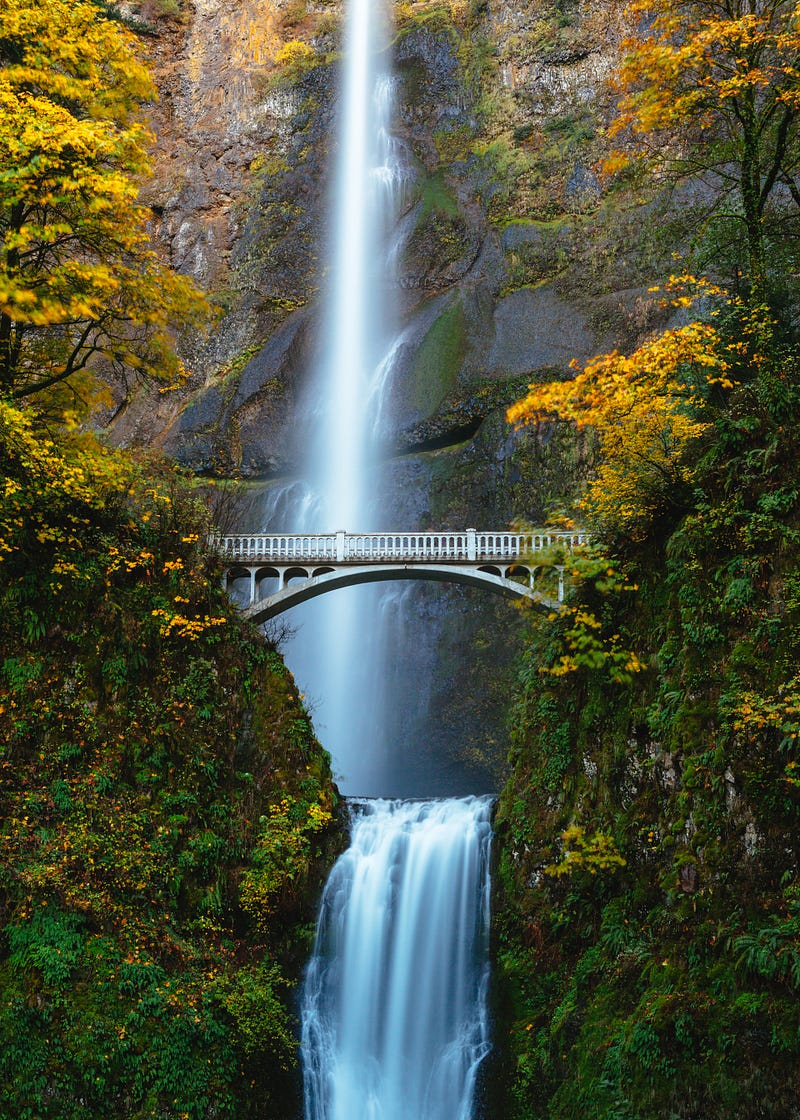
Section 1: The Healing Power of Nature
Connecting with nature is more than a leisure activity; it’s a therapy that revitalizes our minds and bodies.
Nature has an innate ability to heal, soothe, and rejuvenate. It offers an escape from the hustle and bustle of everyday life and provides a sanctuary for our overburdened minds.
1.1 Psychological Benefits of Nature
Stress Reduction and Mental Health Improvement
One of the most noticeable and widely acknowledged benefits of spending time in nature is stress reduction. The natural world has a calming effect on our minds, helping to alleviate stress and anxiety. The sights and sounds of nature, from rustling leaves to flowing water, evoke relaxation responses in our bodies.
Numerous studies have shown that exposure to green spaces can reduce the production of stress hormones like cortisol and lower blood pressure. This, in turn, leads to improved mental health and a sense of overall well-being. Nature serves as a natural antidote to the pressures of modern life.
1.2 Physical Benefits of Nature
Boosted Immunity and Reduced Risk of Chronic Diseases
Nature’s influence on our health goes beyond mental well-being. It also has tangible effects on our physical health. One of the remarkable benefits of spending time outdoors is a strengthened immune system.
Incorporating regular outdoor activities into your routine exposes your body to a diverse array of microorganisms. This exposure helps build a stronger immune system, making you more resistant to infections and illnesses. Additionally, the increased physical activity associated with outdoor pursuits contributes to a healthier lifestyle, reducing the risk of chronic diseases such as obesity, diabetes, and heart disease.
Section 2: Nature and Mental Health
The natural world can be a powerful ally in the battle against mental health issues like anxiety and depression.
2.1 Nature as a Stress Reliever
Effects of Green Spaces and Urban Nature
The stress-relieving properties of nature are particularly evident in green spaces, whether they are expansive parks or small community gardens. Even in urban environments, pockets of nature can provide a respite from the constant demands and pressures of city life.
Studies have shown that simply viewing green spaces, such as trees and plants, can reduce stress and improve mood. This suggests that even if you’re unable to escape to the wilderness, incorporating natural elements into your surroundings can have a positive impact on your mental health.
2.2 Nature’s Role in Anxiety and Depression Management
Connecting with Nature for Reduced Symptoms
Anxiety and depression are prevalent mental health issues in today’s world. Fortunately, nature offers a powerful tool for managing these conditions. Time spent in natural settings has been associated with reduced symptoms and improved emotional well-being.
Nature-based therapies, such as ecotherapy and wilderness therapy, have gained recognition for their effectiveness in treating anxiety and depression. These therapies harness the healing power of nature to provide individuals with a sense of purpose, connection, and resilience.
Section 3: Physical Health Benefits
From outdoor exercise to immune system enhancement, nature plays a pivotal role in our physical well-being.
3.1 Outdoor Activities and Exercise
Benefits of Outdoor Workouts
Physical activity is a cornerstone of good health, and nature provides the perfect backdrop for exercise. Whether you prefer hiking through forests, cycling along scenic routes, or simply going for a jog in the park, outdoor activities offer a host of benefits for your body and mind.
3.2 Immune System Enhancement
Microbial Diversity in Nature and Allergies
Nature exposes us to a rich diversity of microorganisms, some of which play a crucial role in strengthening our immune systems. Contrary to the commonly held belief that all bacteria are harmful, exposure to various microorganisms in natural environments can actually help our bodies develop immune tolerance.
This exposure may explain why children who grow up in rural or nature-rich environments tend to have lower rates of allergies and autoimmune diseases. Their immune systems are trained to recognize and tolerate a wider range of substances, thanks to regular contact with nature’s microbial world.
Section 4: Nature and Social Well-being
Connecting with others and fostering empathy are essential aspects of a healthy life, and nature can facilitate both.
4.1 Connection to Others
Socializing in Natural Settings and Community Gardens
Nature provides an ideal backdrop for social interactions. Whether it’s a picnic in the park, a camping trip with friends, or a community gardening project, these outdoor activities encourage connection and bonding with others.
4.2 Fostering Empathy and Compassion
Nature’s Impact on Empathy and Ecotherapy Groups
Spending time in nature has been linked to increased empathy and compassion. The awe-inspiring beauty of the natural world can evoke feelings of interconnectedness and humility, reminding us of our place within the greater ecosystem.
Ecotherapy groups and wilderness experiences often incorporate these principles, using nature as a means to promote personal growth, empathy, and a greater sense of responsibility toward the environment.
Section 5: Nature and Sustainable Living
Our relationship with nature extends to how we care for the environment, which has a direct impact on our health.
5.1 Importance of Environmental Stewardship
Our well-being is intricately linked to the health of the planet. As such, it’s essential to recognize our role as stewards of the environment. Caring for nature and preserving its resources is not just an ethical imperative; it’s a matter of our own survival.
5.2 Impact of Sustainable Choices on Health
The choices we make in our daily lives, from our consumption habits to our modes of transportation, have a direct impact on the environment. These choices, in turn, affect our health.
For example, opting for a plant-based diet not only reduces greenhouse gas emissions but also lowers the risk of heart disease and certain cancers. Similarly, using public transportation or choosing eco-friendly modes of transportation can reduce air pollution, benefiting respiratory health.
Section 6: Nature’s Role in Children’s Development
Exposing children to nature from a young age has profound effects on their physical, cognitive, and emotional development.
6.1 Outdoor Play and Cognitive Development
Children who have regular access to nature tend to exhibit better cognitive development. Outdoor play fosters creativity, problem-solving skills, and a deeper understanding of the natural world.
6.2 Teaching Environmental Responsibility
Early exposure to nature instills a sense of responsibility toward the environment. Children who grow up appreciating the natural world are more likely to become environmentally conscious adults, actively participating in efforts to protect our planet.
6.3 Childhood Obesity Prevention
The rise in childhood obesity is a concerning health issue. Nature can play a role in combating this trend by encouraging physical activity. Parks, playgrounds, and nature-based activities provide alternatives to sedentary screen time, contributing to a healthier lifestyle for children.
Section 7: Incorporating Nature into Daily Life
Embracing nature doesn’t require a drastic change in lifestyle. Simple steps can bring its benefits into your daily routine.
7.1 Simple Ways to Connect with Nature
Incorporating nature into your daily life doesn’t have to be complicated. There are many simple yet effective ways to experience its benefits:
- Gardening: Even a small balcony or windowsill garden can provide a connection to nature and the satisfaction of nurturing plants.
- - Nature Walks: Take regular walks in nearby parks or natural areas to enjoy the sights and sounds of the outdoors.
- - Mindful Observation: Spend time observing the natural world around you, whether it’s watching birds or studying the changing seasons.
7.2 Designing Nature-Friendly Spaces
Architects and urban planners are increasingly recognizing the importance of incorporating green spaces and natural elements into urban environments. The design of our living and working spaces can greatly influence our connection with nature.
Section 8: Challenges and Barriers
While nature offers numerous benefits, there are challenges and barriers to accessing its healing power.
8.1 Urbanization and Access to Nature
The rapid pace of urbanization has led to a reduction in accessible green spaces for many people. This lack of access to nature can hinder our ability to reap its benefits.
8.2 Technological Distractions
The pervasive use of technology, particularly smartphones and screens, can distract us from the natural world. Excessive screen time can lead to a disconnection from nature, exacerbating stress and mental health issues.
8.3 Climate Change Concerns
Climate change poses a significant threat to the natural world. The degradation of ecosystems, loss of biodiversity, and extreme weather events all impact our ability to connect with and benefit from nature.
Section 9: Conclusion
Embrace nature as an essential element of a healthy, balanced life.
As we’ve explored in this comprehensive article, nature is not just a backdrop to our lives; it’s an integral part of our well-being. From reducing stress and enhancing mental health to boosting our physical fitness and fostering empathy, the benefits of connecting with nature are profound and multifaceted.
The evidence is clear: nature has the power to heal, rejuvenate, and inspire. As individuals, communities, and societies, we must recognize the importance of preserving and nurturing the natural world. Embracing nature in our daily lives and making sustainable choices is not only a matter of personal health but also a collective responsibility.
In conclusion, let us heed the call to reconnect with nature, for our health, for the health of the planet, and for the generations that will follow. Nature is not a luxury; it’s a necessity for a truly healthy life.
Follow Hasnain A For more Content.
More From Hasnain A


