
Robots in Pajamas: A Light-Hearted Peek at AI’s Tomorrow
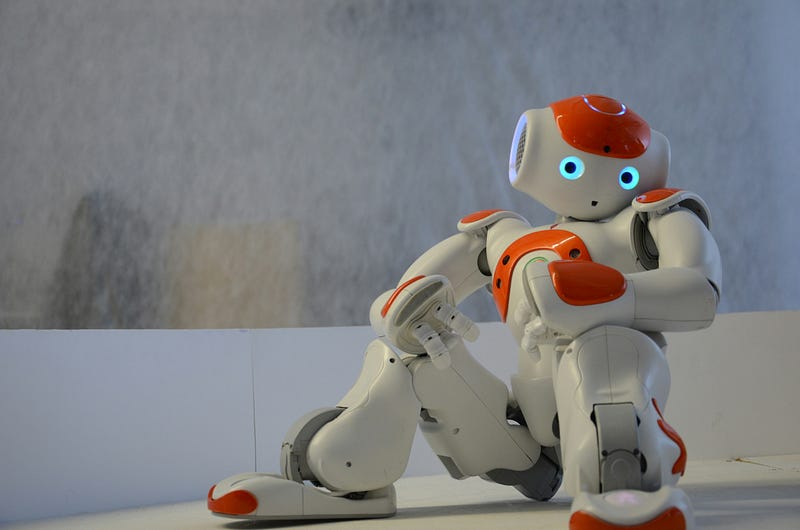
Why do robots never seem to sleep? Is it because they haven’t found pajamas that fit, or because they’re too busy plotting world domination? Spoiler alert: It’s neither. As a software engineer with a fondness for AI and robotics, I’ve had my fair share of late-night coding sessions — fueled by coffee and the occasional cat nap — pondering the future of AI. But let’s keep things light as we explore this.
Imagine teaching a robot right from wrong. Now, imagine it has the moral compass of a two-year-old with access to all of Wikipedia. Terrifying? Maybe a bit. But it highlights an important point: As creators, we’re tasked with teaching these digital beings the difference between helping grandma cross the street and hacking grandma’s bank account. My weekends spent teaching kids to code have shown me the importance of clear instructions — something AI desperately needs but without the snack breaks.
The next bit is where it gets fun. Picture AI not as a looming threat but as a supercharged, hyper-curious child. This child can calculate the best way to stack Legos for an indestructible fortress or how to optimize your family dinner prep so everyone gets their favorite dish (yes, even your sister who thinks ketchup is a spice). The potentials are as limitless as a child’s imagination — only with significantly more computing power.
My personal dream is to one day develop an AI system that can help rescue operations. Imagine drones that can navigate through disaster zones, identifying survivors faster than any human team could, all while ensuring the safety of rescue workers. It’s a tall order, but then again, AI loves a good challenge.
Now, you might wonder, “What do board games, rescue cats, and AI have in common?” (okay I wonder, I want you to, too). The answer is: strategy, unpredictability, and occasional chaos. Whether it’s navigating the complex rules of “The Settlers of Catan” or predicting the erratic behavior of our furry overlords (I mean, pets), there’s a surprising amount of overlap with developing AI. It’s about anticipating moves, adapting strategies, and sometimes, just enjoying the chaos.
And as we look toward a future filled with AI, my advice is to look for the human element. The same way we cherish family dinners and the simple joys of teaching and learning, we can embrace AI as another tool in our quest for knowledge and growth. Yes, the ethical considerations are like trying to teach a cat to high-five — complex and requiring patience — but the rewards promise to be as satisfying as nailing that perfect high-five.