avatarRubaiyat Rahman

Free AI web copilot to create summaries, insights and extended knowledge, download it at here

1727

Abstract

<figure id="ea5a"><img src="https://cdn-images-1.readmedium.com/v2/resize:fit:800/0*q0eiVLR7-Ilk82iF"><figcaption>Photo by <a href="https://unsplash.com/@britishlibrary?utm_source=medium&amp;utm_medium=referral">British Library</a> on <a href="https://unsplash.com?utm_source=medium&amp;utm_medium=referral">Unsplash</a></figcaption></figure><p id="d593">Robert Clive’s role in the foundation of British rule in India was quite dramatic. His career in the EIC began as a clerk (writer) then as a military strategist in the army of the EIC and later as the Governor of Bengal! To people who are fond of and would love to romanticize the British Colonial ruling in the South Asia region, Robert Clive is the First Baron Clive of Plassey. When Robert Clive set his foot at the Southeast Coast of India subcontinent (Coromandel Coast) in 1756, the East India Company had been facing siege and defeat in various parts of Bengal.</p><figure id="e84e"><img src="https://cdn-images-1.readmedium.com/v2/resize:fit:800/0*5f0Gxdqz0J0aKx3_"><figcaption>Photo by <a href="https://unsplash.com/@anniespratt?utm_source=medium&amp;utm_medium=referral">Annie Spratt</a> on <a href="https://unsplash.com?utm_source=medium&amp;utm_medium=referral">Unsplash</a></figcaption></figure><p id="3346">However, the fate of the East India Company reversed when Robert Clive clinched victory in the battles of Plassey and Buxar, which consequently laid the stepping-stones for the advent of the Company rule (EIC) and dawn of the British empire in this part of the world. Quite an achievement for Robert Clive, isn’t it?</p><figure id="49d7"><img src="https://cdn-images-1.readmedium.com/v2/resize:fit:800/0*8xe2X4RDzc7_mwAM"><figcaption>Photo by <a href

Options

="https://unsplash.com/@kingmaphotos?utm_source=medium&amp;utm_medium=referral">Jeff Kingma</a> on <a href="https://unsplash.com?utm_source=medium&amp;utm_medium=referral">Unsplash</a></figcaption></figure><p id="5f24">Well, these achievements can never deserve any ground of complacency when we look at his accusations behind the scourge and devastation of the erstwhile Bengal of the 18th Century. Scottish historian William Dalrymple enumerates Robert Clive as an <i>unstable sociopath </i>who was responsible for Bengal famine of 1770s.</p><p id="63f0">No doubt, the Black Lives Matter movement has dragged out such a part of British colonial history which over-explored but less scrutinized from the perspective of racism and slave trade.</p><p id="740f">The recent statute-removal issue and related incidents have churned out some very bitter but unavoidable inquires:</p><ul><li>How Robert Clive will be viewed in the post-‘Black Lives Matter’ British history and foreign policy?</li><li>Will the History recognize him as racist?</li><li>Will the Statute of Robert Clive near Ten Downing Street pose a threat to the multiplicity and diversity of the United Kingdom? Or, it’s just an over-reaction?</li></ul><p id="9779">To be frank, I don’ know the routes to the answers, but what appears imminent is any obfuscation to those questions would only drag more uncertainty.</p><figure id="ae27"><img src="https://cdn-images-1.readmedium.com/v2/resize:fit:800/0*Dij7-IUd-iJpWLSL"><figcaption>Photo by <a href="https://unsplash.com/@gaberce?utm_source=medium&amp;utm_medium=referral">Gabe Pierce</a> on <a href="https://unsplash.com?utm_source=medium&amp;utm_medium=referral">Unsplash</a></figcaption></figure></article></body>

Robert Clive in the Time of ‘Black Lives Matter’
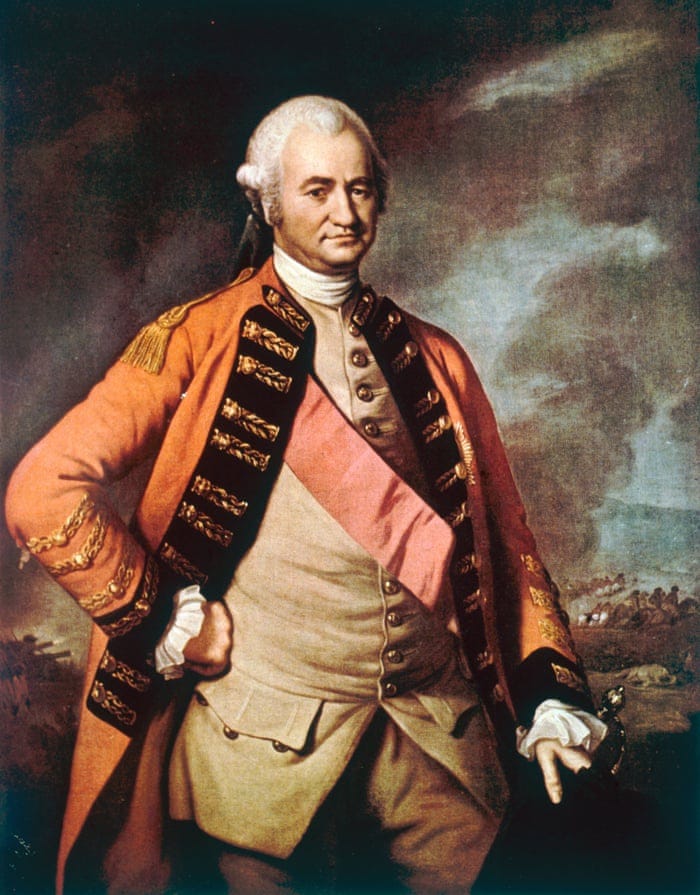
Photo Credit: The Guardian.

In recent days, in the milieu and maelstrom of the ‘Black Lives Matter’ movement, people’s brewing indignation over the statutes of slave owners and racists have got disclosed. In the United Kingdom, after toppling the statutes of Lord Edward Colston, who was notorious as slave trader, the status of the Statute of Robert Clive has reached to a crucial but ambiguous crossroad.

Photo by Vince Fleming on Unsplash

Robert Clive was one of the British behemoth fulcrums (another one was Warren Hastings, the de facto Governor-General of India) who helped the transition of the East India Company (EIC) from trading to ruler of a region. In British military and foreign affairs parlance, Robert Clive played a crucial role behind the removal of the Mughal Empire, the Dutch and French East India Company.
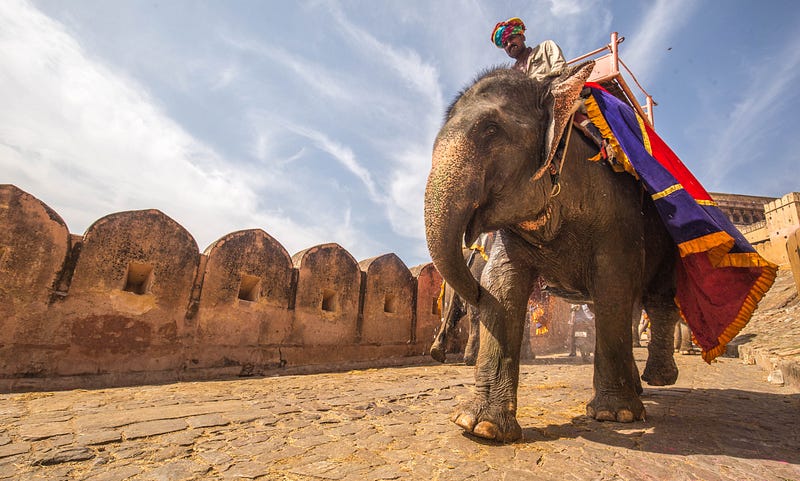
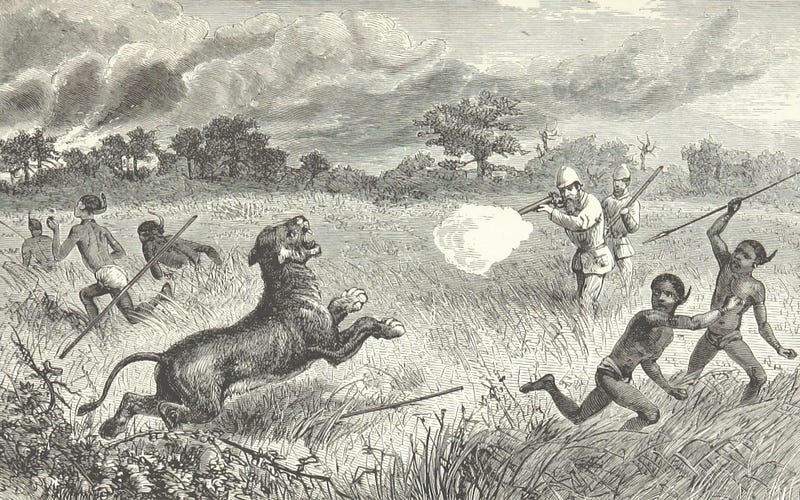
Photo by C Rayban on Unsplash
Photo by British Library on Unsplash

Robert Clive’s role in the foundation of British rule in India was quite dramatic. His career in the EIC began as a clerk (writer) then as a military strategist in the army of the EIC and later as the Governor of Bengal! To people who are fond of and would love to romanticize the British Colonial ruling in the South Asia region, Robert Clive is the First Baron Clive of Plassey. When Robert Clive set his foot at the Southeast Coast of India subcontinent (Coromandel Coast) in 1756, the East India Company had been facing siege and defeat in various parts of Bengal.
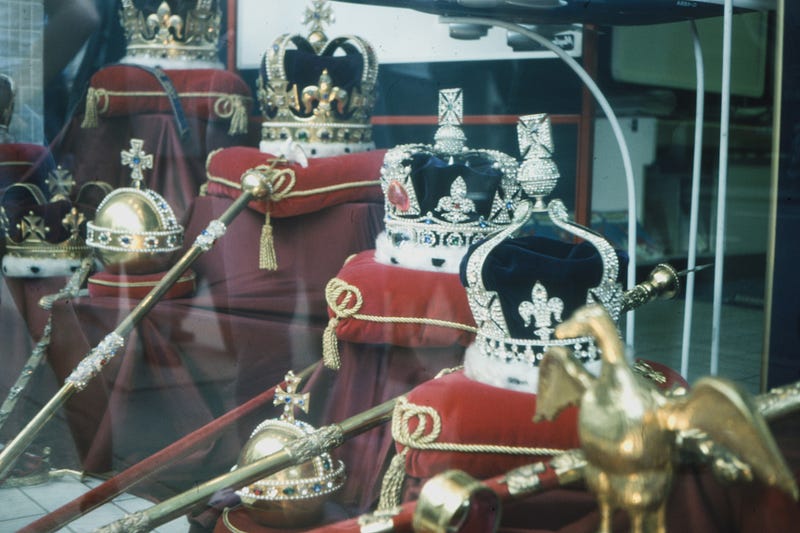
Photo by Annie Spratt on Unsplash

However, the fate of the East India Company reversed when Robert Clive clinched victory in the battles of Plassey and Buxar, which consequently laid the stepping-stones for the advent of the Company rule (EIC) and dawn of the British empire in this part of the world. Quite an achievement for Robert Clive, isn’t it?

Photo by Jeff Kingma on Unsplash

Well, these achievements can never deserve any ground of complacency when we look at his accusations behind the scourge and devastation of the erstwhile Bengal of the 18th Century. Scottish historian William Dalrymple enumerates Robert Clive as an unstable sociopath who was responsible for Bengal famine of 1770s.

No doubt, the Black Lives Matter movement has dragged out such a part of British colonial history which over-explored but less scrutinized from the perspective of racism and slave trade.

The recent statute-removal issue and related incidents have churned out some very bitter but unavoidable inquires:

  • How Robert Clive will be viewed in the post-‘Black Lives Matter’ British history and foreign policy?
  • Will the History recognize him as racist?
  • Will the Statute of Robert Clive near Ten Downing Street pose a threat to the multiplicity and diversity of the United Kingdom? Or, it’s just an over-reaction?

To be frank, I don’ know the routes to the answers, but what appears imminent is any obfuscation to those questions would only drag more uncertainty.

Photo by Gabe Pierce on Unsplash
Politics
History
Racism
BlackLivesMatter
Colonialism
Recommended from ReadMedium