
Rivalries Are Not Always About Winning
Sometimes they can unravel powerful lessons

Business rivalries have existed for thousands of years. Where there was trade, there was competition. And the higher the stakes, the more intense it gets.
Of course, there’s nothing wrong with some healthy competition — it can prevent brand complacency, push businesses to innovate, and deliver better value for the customer.
For onlookers, they can provide great entertainment. For the media, they create epic headlines. And the potential to go viral has even made them curated publicity stunts.
Here are some iconic campaigns sparked by rivalries and the bittersweet lessons from their witty quips.
Romania vs. Britain
Country brands are just as important as product brands. But we rarely see countries thrashing each other with ad campaigns.
Here’s one that turned heads.
The possible impact on local jobs and the strain on public resources were all putting pressure on the British government to curb immigration. So, a few years back, it planned an anti-immigration campaign, particularly to discourage citizens of Bulgaria and Romania from migrating to the UK.
Needless to say, when the news got out, the two countries were offended. And the Romanian newspaper Gandul was quick to respond. They ran a campaign inviting Brits over to Romania.
Entitled “We May Not Like Britain, But You’ll Love Romania”, the ads quickly went viral around the world.
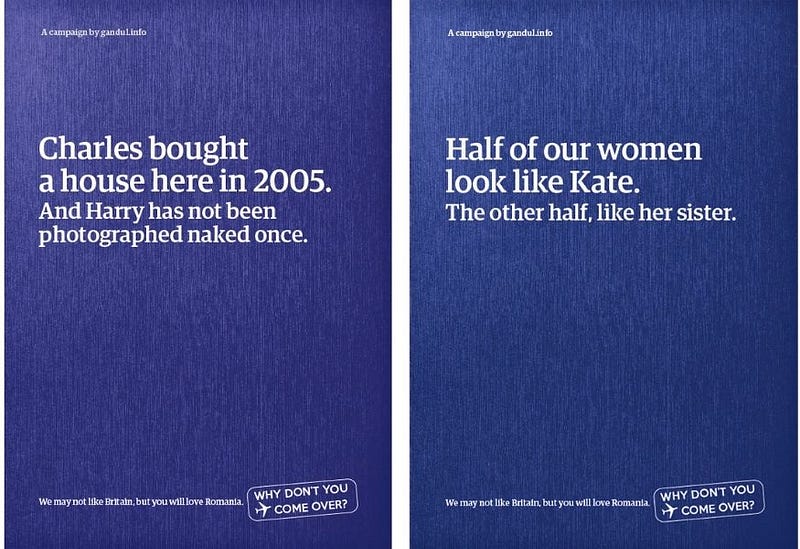
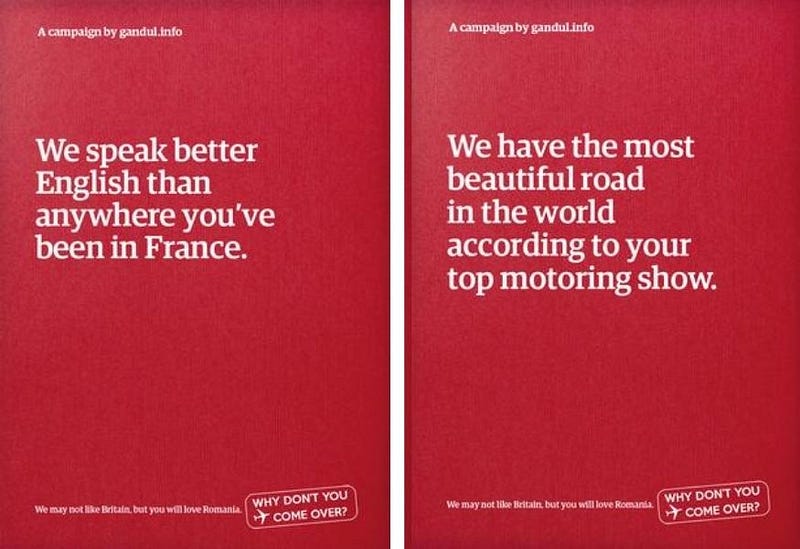
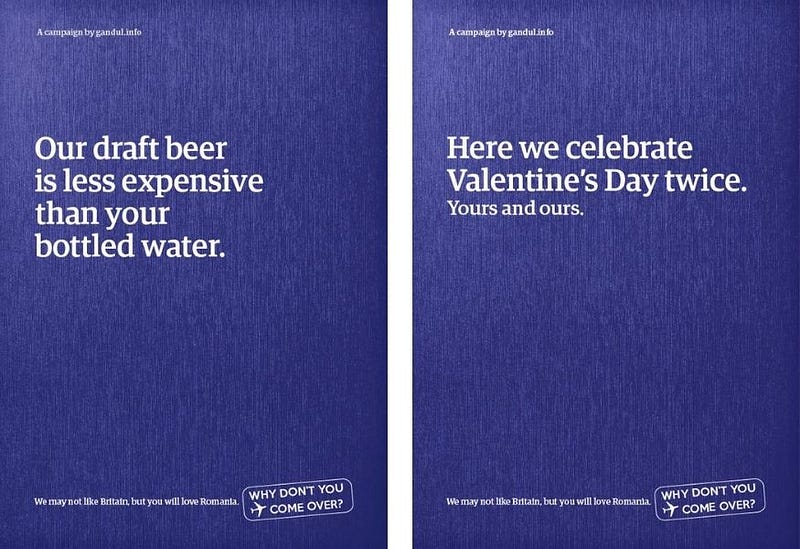
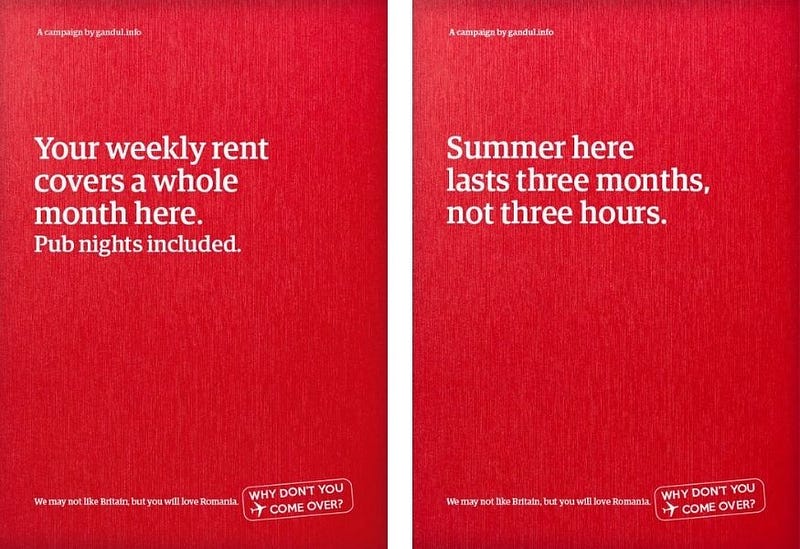
The campaign was not only clever but was a slap in the face for the British government officials. It also went on to win awards for Gandul and remains one of the best patriotic campaigns to date.
The lesson: It’s easy to overreact with anger when you’re offended. But this is a great example of using humor to drive the message through to your competitors. As for Britain, pretty sure they got the point.
Samsung vs. Apple
Samsung has been pretty vocal about telling the world how its phones are superior to Apple’s. And many times they have used comparative advertising to take a blatant jab at the American tech giant and its products.
Comparative advertising is when outright comparisons are drawn against a competitor, for example, using product features.
Make no mistake, this is no friendly advertising technique. It’s often part of an aggressive marketing strategy and is best left for brands with an equal footing in the market as their competitor.
Is Comparative Advertising effective? If you have a superior product, it could be quite effective in getting the message across. But when the advertising war begins, it could be a huge drain on your budgets and resources, making it hardly worth the while.
But this hasn’t stopped Samsung from mocking its rival. Here’s one of their very first ads openly comparing one of its devices against Apple’s latest smartphone at the time. While no names were mentioned, the cult-like following waiting in line to grab the newest Apple device is unmistakable.
Apple has been mostly nonresponsive towards its competitor’s advertising onslaught. However, Samsung has continued with its relentless pursuit to outsmart its competitor at every opportunity possible.
For instance, when Apple faced bending and warping issues with its iPhone 6 Plus, here’s how Samsung quickly responded.
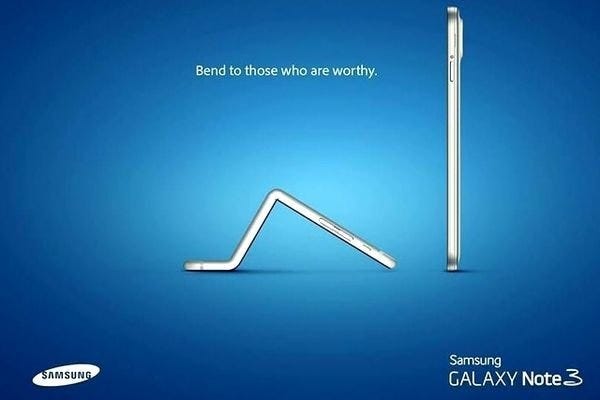
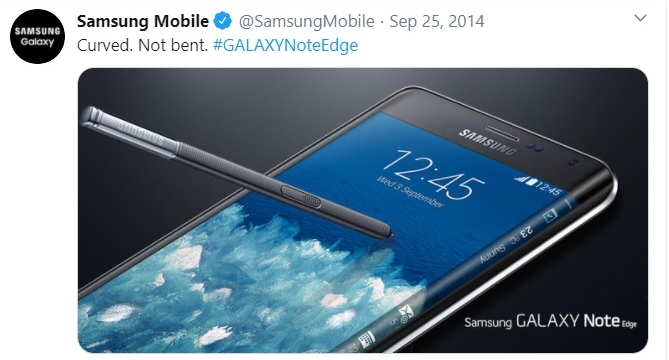
The lesson: The Samsung ads are great examples of comparative advertising done right. They are highly entertaining and make it loud and clear why you should purchase their products over their competitor’s.
But is this level of competition ethical? Only the audience can tell.
Meanwhile, there have also been others who have quietly taken advantage of this rivalry between Samsung and Apple. Take a look at this Microsoft commercial having a good laugh at the expense of its two larger smartphone competitors.
BMW vs. Audi vs. Subaru vs. Bentley
Competition among automakers has been going on for decades. And they provide both entertainment and valuable lessons to learn.
Take, for example, this ad campaign by BMW, mocking its rival Audi when it won the South African Car of the Year title some years back. But had BMW done its homework, perhaps it could have anticipated what was to follow.
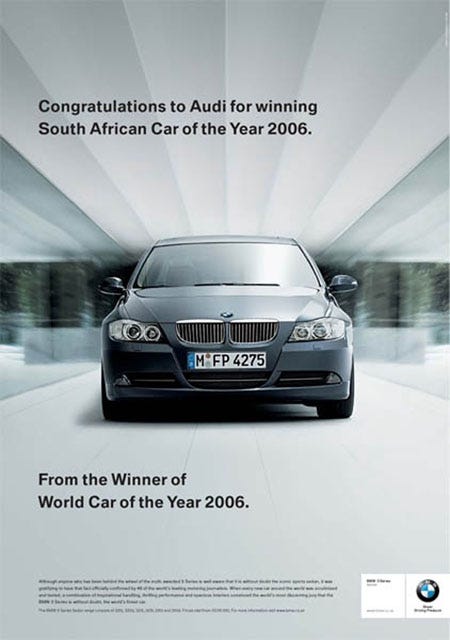
This was Audi’s clever comeback.
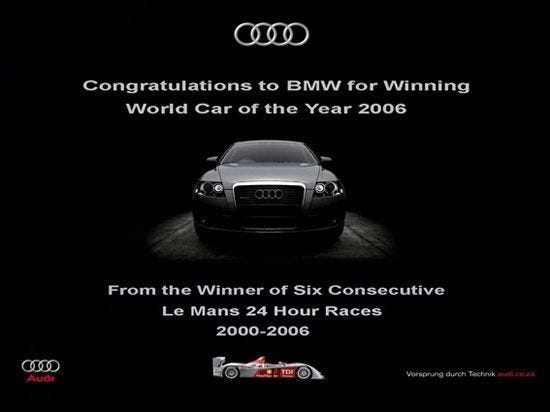
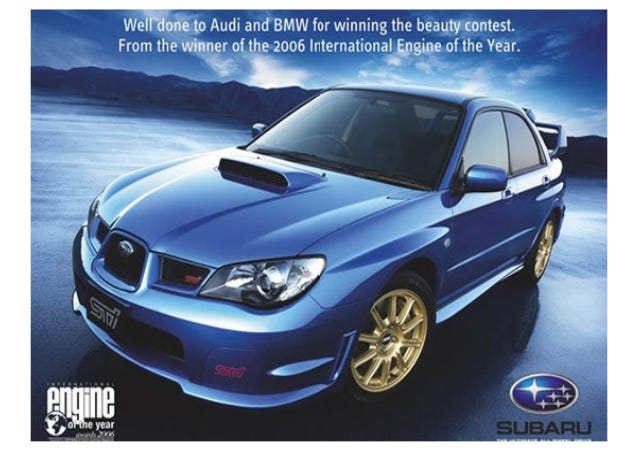
But it didn’t stop there either. Subaru joined the spat with this ad, mocking both its rivals BMW and Audi.
And then this came up, supposedly by Bentley.
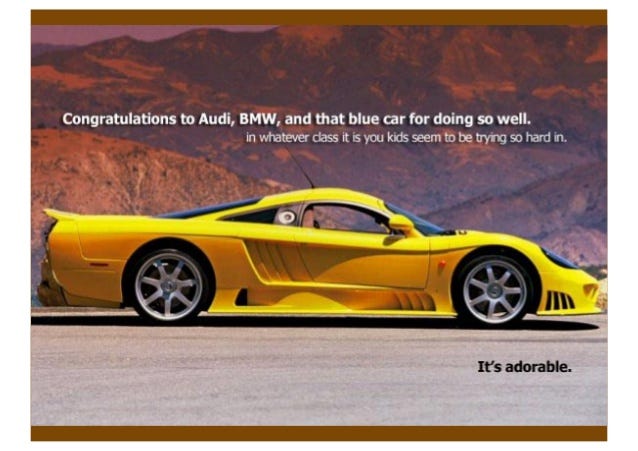
The lesson: Don’t go into war with your competition without assessing their armory first. And if you don’t have enough ammunition to sustain the fight, it’s better not to launch an attack.
But clearly, none of these has deterred BMW from taking a jab at its rival brands over the years. In fact, sometimes, it has even paid off.
When Mercedes-Benz’s long-standing CEO Dieter Zetsche retired in 2019, BMW bid farewell with this witty video posted on social media. The video shows a Dieter look-alike dropped off at home in a Mercedes on his last day, only to drive off from his garage in BMW’s newest i8 Roadster to enjoy his retirement.
Of course, Mercedes took it with good humor. And it became a great example of friendly competition between two luxury automakers.
The public loved it too, with the video going viral on social media and getting over five million views on YouTube alone.
The clever mix of respect and humor definitely paid off in this instance.
McDonald’s vs. Burger King
McDonald’s and Burger King have been locking horns for some time now. But more often than not, their endless brand war is marked by tongue-in-cheek quips.
Here’s one in Belgium.
McDonald’s put up this impressive billboard, mocking its rival right next to its newest restaurant.
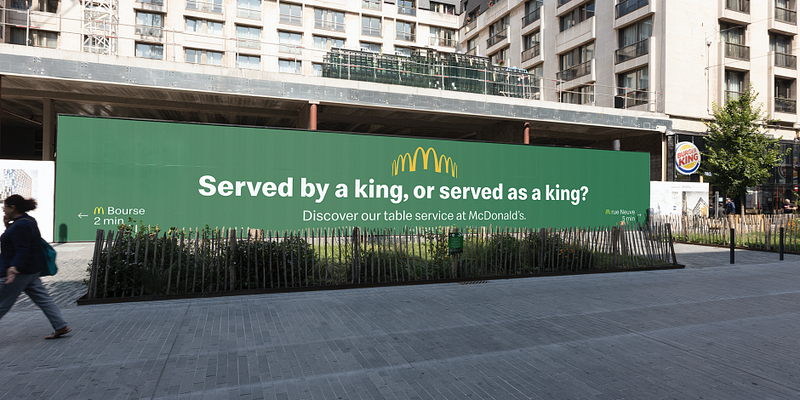
And Burger King was quick to respond with this massive sign on its restaurant window.

And this witty clash has taken many forms over the years.
Here’s a campaign that ran in France and quickly went viral.
McDonald’s erected directional billboards to show its wide presence in the country and didn’t forget to mock its rival along the way. A tall billboard was also put up right next to its own signage, giving directions to the nearest Burger King, some 258kms away.
But Burger King didn’t keep quiet either and released this video in response. The commercial shows a couple ordering a tall coffee at McDonald’s to take with them on their long drive to Burger King.
The lesson: Brand rivalry doesn’t always need to be bitter. Let’s face it, aggressive marketing can leave a bitter afternote not just with your competitors but also with the general public. That’s because people generally despise negativity and aggression.
Poking fun at your competitors, on the other hand, can put your brand in a more positive light. Everyone loves clean humor. And if done right, both you and your competitor can have a good laugh together and enjoy the power of viral.
Dixons vs. everyone else
Dixons was a popular electronic consumer goods retailer in Europe that shifted its businesses from high street to online.
Here’s a campaign they ran, mocking the popular high street brands like Selfridges, Harrods, and John Lewis. Although no names were mentioned, the iconic brand colors and the clever copy made it pretty clear who they’re talking about.
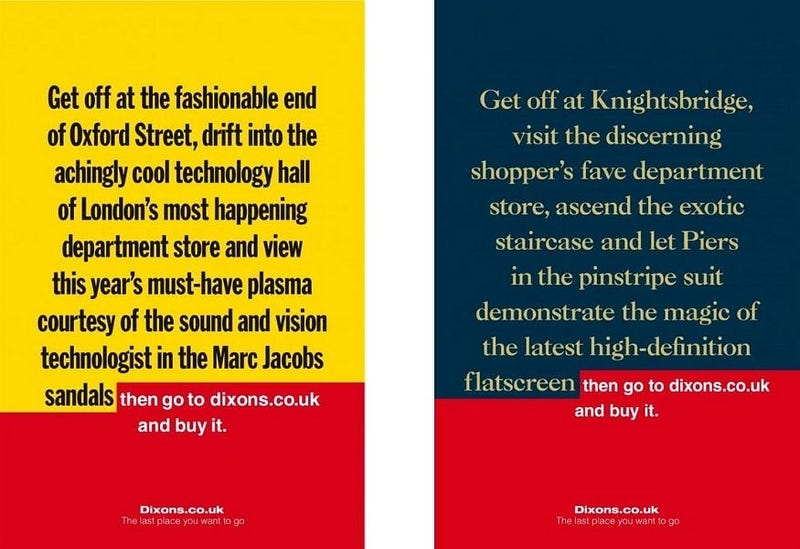
While some of these high street retailers threatened to take legal action, the customers were left feeling guilty. After all, many of them did exactly what the adverts said — they checked out the products at high street stores and then went on to purchase online.
Turned out Dixons was only stating the obvious.
Why is it genius? Dixons perfectly understood what was important for customers when it came to buying electronic goods — they wanted to physically check how the product looked and worked. They also wanted a more affordable deal than what was on offer at high street shops.
Dixons’ online store boasted lower prices compared to its traditional counterparts. And this witty campaign gave the perfect solution for customers to get the one thing Dixons couldn’t offer — the product demos. And the clever copy certainly drew the attention it wanted.
The lesson: There are more ways than one to get your customers’ attention and to provide solutions to all their problems. It may be at the expense of your competitor, but your consumers will always appreciate the candor (and, of course, the laugh).
A final thought
When competition is stiff, some handle the pressures by making their products better, while others get their daggers out.
But brand rivalry should not be about pacifying your brand ego.
It needs to serve a purpose.
It also needs to support your brand perception. Because public fights draw public attention and could easily end up damaging your reputation.


