
Wildlife Photography
Risking Your Life For Entertainment. Is It Worth It?
Our tour guide pets crocodiles illegally
One of my biggest passions is wildlife photography. Ever since this hobby of mine advanced, our world trip began spinning around wildlife viewing.
After our two months journey around Baja California, we headed to the mainland — Mexico. Our second stop was Mazunte — a small village known for its natural architecture, preserved nature, and diverse species.
My point of attraction? Crocodiles in their natural habitat!
Where was I supposed to see them? La Ventanilla — a small village on the Pacific coast. Home to the indigenous people of Mexico and a beautiful beach and lagoon rich in biodiversity. Ecotourism is the main attraction after the ban on sea turtle and crocodile trade in the early nineties, and it’s thriving.
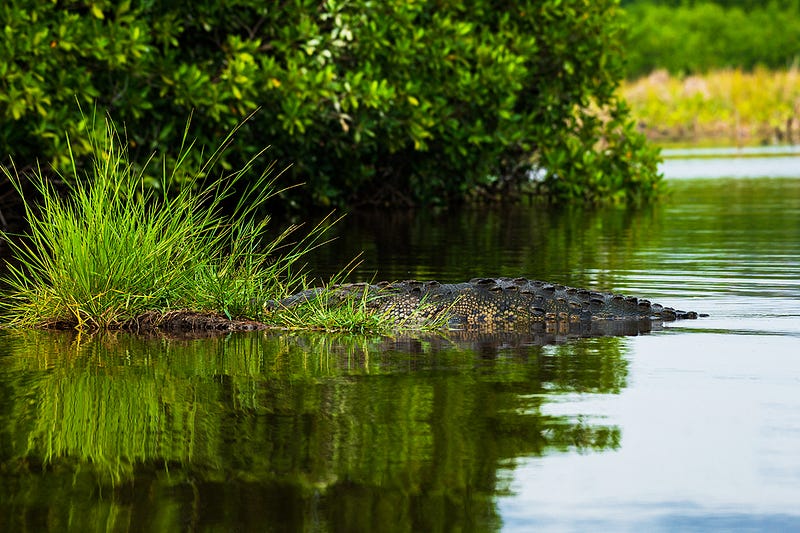
La Ventanilla. That is the place where almost two hundreds of crocodiles live and swim freely between the mangrove trees. Being so close to wildlife is very adventurous and inspiring, but it can be dangerous, too. From small to big, many species hide potential life threats. But as you will learn, some locals did not see a danger standing around three meters long crocodiles without fencing.
For as low as $5, you will be able to join the guided tour around the lagoon. We did not purchase our tickets from the ticket counter, though. Full of excitement, we run down the river, don’t do that. It is dangerous. Crocodiles are everywhere, but that was something we learned about a little later.
Anyway, we hitchhiked an eco boat. How cool is that? And we ended up being on a lucky one that went to Uma Island, in the middle of the lagoon. Our tour guide spoke English very well, and he was well educated about the wildlife there, too.
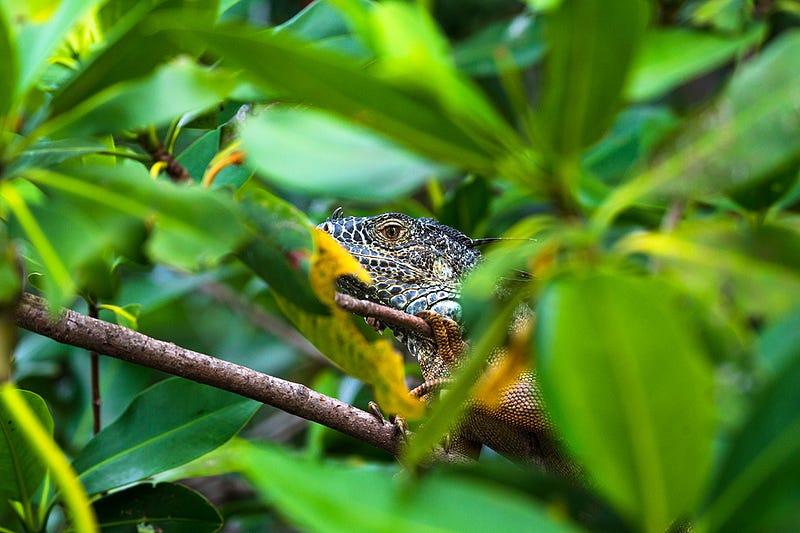
Along the way to the island, between the mangrove trees, we saw cormorants and iguanas, but that’s not what you want to hear of, or is it? I’m sure you are all ears about our close-up meeting with the ancestors of the age of the dinosaurs. So here we go.
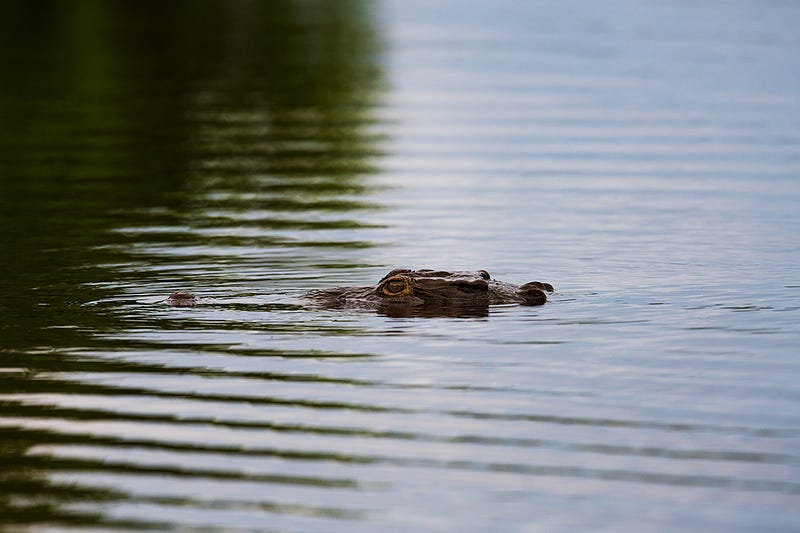
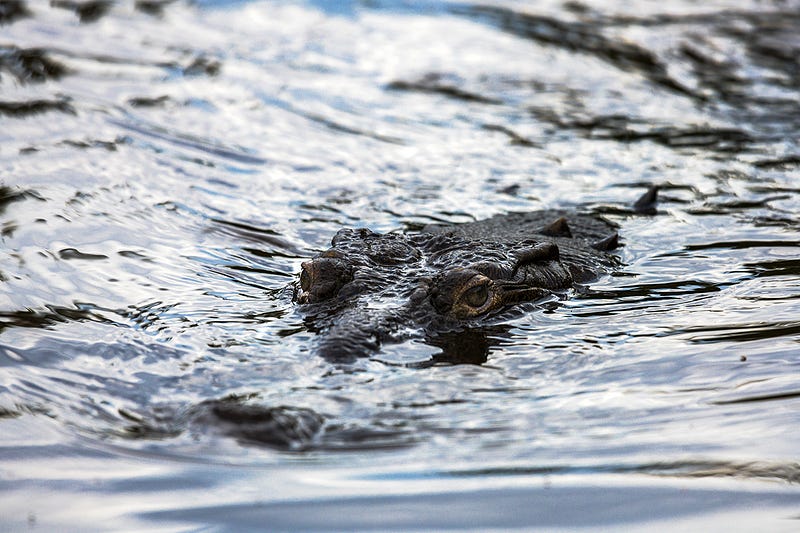
While sitting on the little skiff, our funny guide rowed us along the little estuary, when all of a sudden — he started vigorously pointing — there is one, there is one. The giant head of the approaching crocodile was bobbing up and down. He knew I was there for the shots. The guide, I mean. He stopped paddling and waited patiently for as it was my pleasure.
When we reached and stepped on the island, our guide instructed us — do not go near any animals and do not try to feed or touch them, especially the hungry ones. What a sense of humor, I thought, for so many years, had he learned to distinguish the preying ones?
Anyhow, our tour continued, and we were walking around a stupefying number of free crocodiles. Everyone kept a distance, as it would’ve helped, when all of a sudden, another prank came out of the guide’s mouth — this time not that funny.
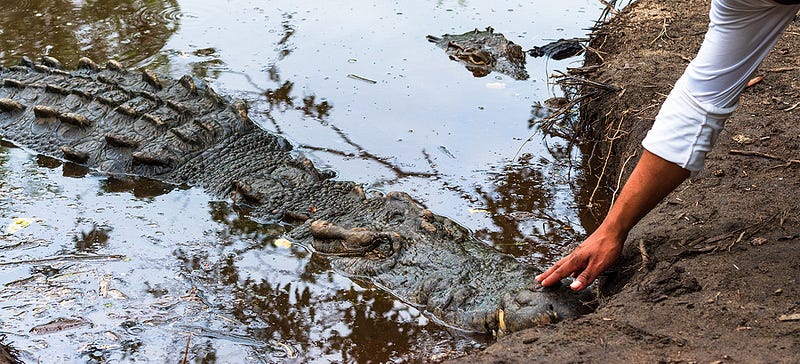
— I can touch it, he said.
And till this day, my mind does not grasp, how and why he touched the crocodile, just like that, with his bare hand.
For simple tourist entertainment? Or to show off his masculinity, maybe?
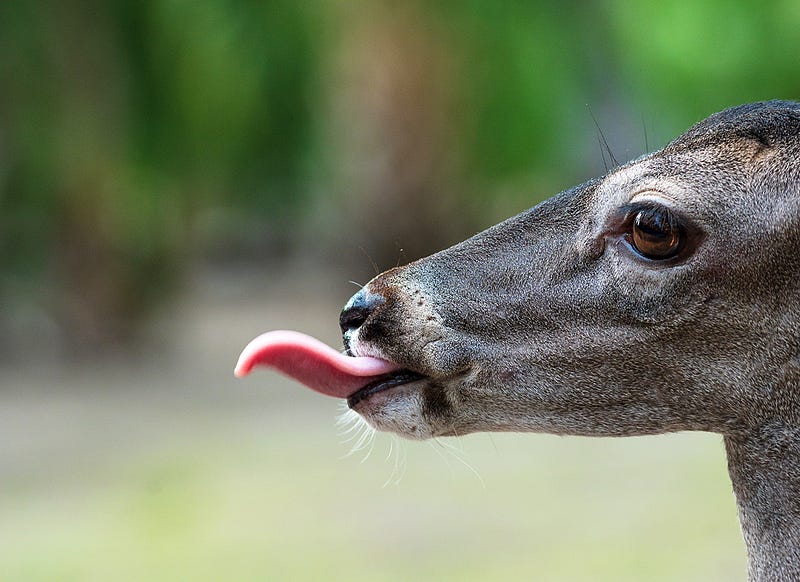
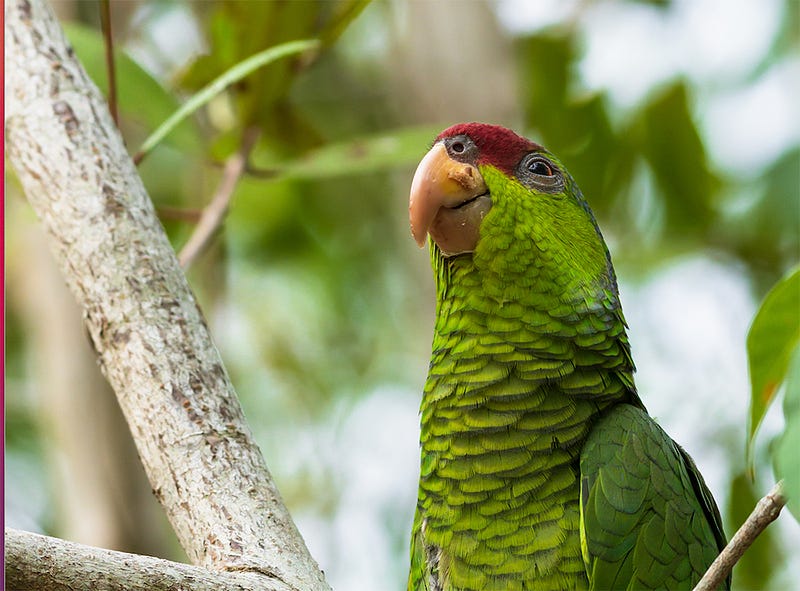
On Uma Island, there is a greenhouse for mangrove reforestation, captive mule deers, a nursery to hatch and raise crocodiles for release, and other animals like parrots and monkeys.
For a moment, I lost it too — a meter of distance and a second of awareness saved me from collision with a hungry crocodile. I still wonder frequently — how local people let their kids playing around. They were everywhere, both kids and alligators, wildering around the island.
Another cultural shock? — I’m still thinking.
Some have dogs others have alligators.
— — Feeding or Touching Wildlife is Illegal — —


