
Risk Factors, Recipes, and Exercises for Heart Disease
Knowledge and awareness may help you live longer!
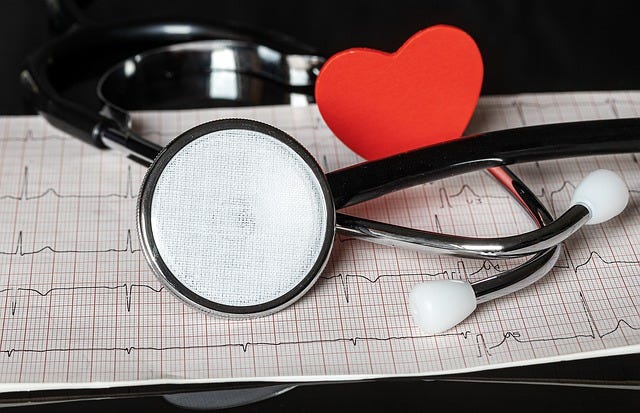
Almost two weeks ago, I called an ambulance at the behest of a friend who stated that I didn’t look too good, and I was experiencing symptoms of a tight chest and shortness of breath. I incorrectly assumed a heart attack was imminent because of the intense pain.
Thankfully, I did not have a heart attack, however, I became aware of the risk factors of heart disease, how to eat heart-healthy, and exercises for people with limited mobility.
Risk Factors
My health issues range from diabetes, arthritis in my spine, hands, and feet, high blood pressure, and now I have to add congestive heart failure (CHF) to the list. Wait, aren’t the last two factors the same? I’m not sure.
A while back a nurse told me if I was on high blood pressure medicine that means I have CHF. I still did not equate the two. In my mind, congestive heart failure meant a heart attack. Therefore, I must not have CHF. It is more complicated than that, I found out.
For example, high blood pressure means your heart has to work harder to pump blood throughout your body. In my case, I have systolic heart failure, which means my left ventricle cannot pump the blood out efficiently.
I definitely am high risk. I am aging (as do we all), and on the other side of menopause besides the other risk factors for heart disease.
However, my blood pressure meds have been my friend for twenty years. As long as I have my meds, I should be fine, right? Not so much. The doctor suggested the medications are controlling the heart disease, but the prognosis is a bit disconcerting.
Early Warning Signs
My discharge instructions listed several signs that may indicate the worsening of heart failure:
- Sudden weight gain of 2–3 pounds in a day (Purchase a digital scale.)
- Swelling in feet or ankles. (Yes)
- Shortness of breath. (Yes)
- Discomfort when lying flat. (Yes)
- Coughing or wheezing. (Yes)
- Fatigue. (Yes)
- Confusion. (Yes)
I did not recognize all these as warning signs. I’m not the only one, either. Over six million Americans living with heart failure are hospitalized every year. About fifty percent will be preventable if we are armed with the awareness of symptoms and treatment protocols.
For example, if I had known about the 2-3 pound weight gain, coughing, or confusion, I would have been on the telephone with my doctor ASAP. I had the other symptoms I marked yes, but those are normal for me.
All the tests showed I did not need a stent, and the doctor gave me instructions to follow up with a cardiologist, eat a heart-healthy diet, and exercise the best I could. I made a follow-up appointment and then researched the best diet and exercises.
Diets
- The diets are varied, and I hope to stick to one I can manage. I tried many diets in the past with no success. Raising five kids and eating healthy was very difficult to maintain. Rice, potatoes, bread, and noodles were staples for growing kids with growing appetites. Those are exactly the foods I must stay away from.
- Now, I need to eat healthy on a fixed income. So, it’s fresh fruits, vegetables, and lean meats twice a day, if that. Then, there are diets that say eat 6 meals a day. I can’t afford that, and I do not want to eat that much. The answer? Look for on-line recipes on a budget.
- I have to be mindful of what I put into my body. Before, I was too tired or too stressed to even think about it. Now, eating heart-healthy may extend my life. Eat smaller portions of lean chicken and fish without salt and seasoned with Dash. Eat larger portions of steamed vegetables, and fresh greens for a salad with olive oil, lemon juice, and garlic seasoned with Dash, again.
I will follow my doctor’s instructions even though I threw a food fit.
Exercises
Arthritis has compromised my ability to be mobile for more than a few minutes at a time without needing my walker or motorized wheelchair. But I found a chair exercise guide that has helped me over the past 10 days. It covers everything from mindfulness to non-weight-bearing exercises.
- Talk to your doctor to get the okay to exercise.
- Mindfulness. Instead of zoning out when exercising, tune into what your body is telling you. Observe how you feel at the moment. Concentrate on what you can do, and not on what you cannot do. Be proud of your efforts to exercise. Breathe in joy.
- Isometric exercise with elastic resistance bands. Wrap a lightweight resistance band under your chair (or bed or couch, even) and perform rapid resistance exercises.
- Non-weighting-bearing exercises are helpful with people who have disabilities and are overweight from limited movement. Use an exercise ball instead of a weight bench. Swimming in a heated pool is my favorite.
I know I have to make changes to my lifestyle. It is not easy. However, now that I have knowledge about my heart issues, I can take the appropriate steps and make informed decisions regarding my health.
We all should be aware of our health, especially if we have risk factors. Together, we can take charge of heart disease before it takes charge of us!
Walk with me and let’s find health!
Debbie Walker is a great-grandmother, blogger, and writer with a BA in Psychology. Her vision is to encourage, inspire, and empower others to lead fulfilled lives. She is the writer and publisher of Middle-Pause, and creator of STOMP! an upcoming podcast. Stay in touch with her at [email protected].


