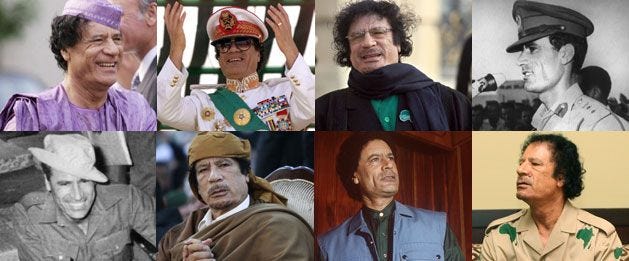
Dictator
Rise of Colonel Muammar Qaddafi
The Libyan Revolution of 1969
The rise of Colonel Muammar Qaddafi was marked by his early life and military career. Born in 1942, Qaddafi joined the Libyan army and quickly rose through the ranks.
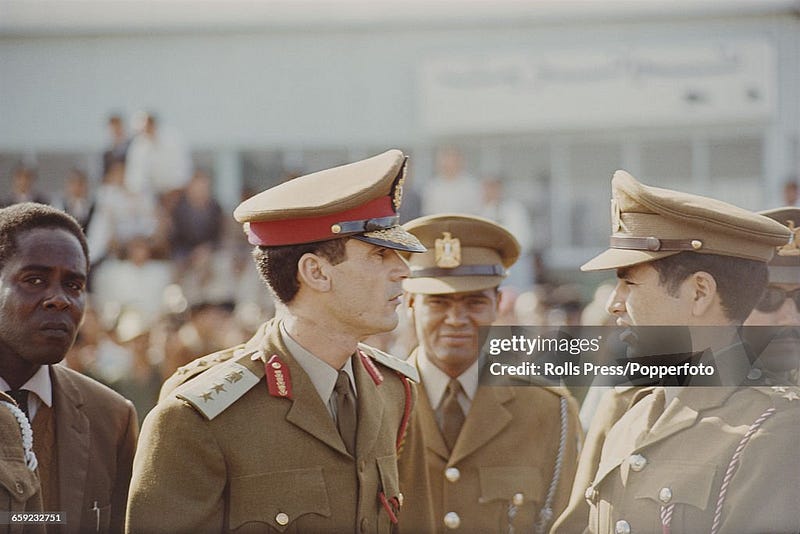
The Controversial Legacy of Muammar Gaddafi in Libya
Few 20th-century African leaders provoke stronger reactions than Libya’s Muammar Gaddafi. Assuming power in 1969 via a military coup, his four-decade rule centralized control and economic gains while violently suppressing dissent. Views remain polarized regarding his legacy — seen as both revolutionary and tyrannical.
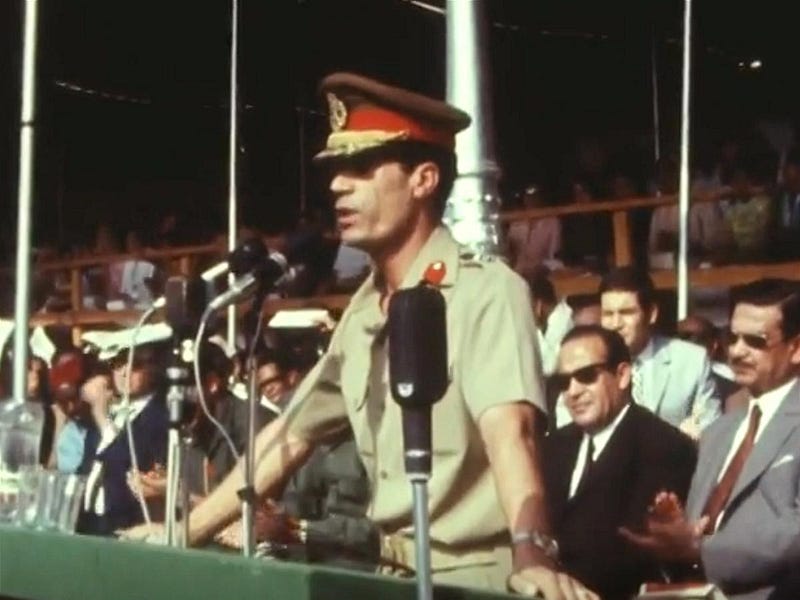
Initially dubbed the “Brother Leader”, Gaddafi leveraged Libya’s oil reserves to catalyze infrastructural growth and fund pan-African diplomacy. He expanded access to housing, healthcare, and education programs, improving living standards. Yet later years spiraled into deepening financial strains, global isolation, and brutal crackdowns as Gaddafi suppressed Arab Spring demonstrations — fueling a complex legacy with competing narratives.
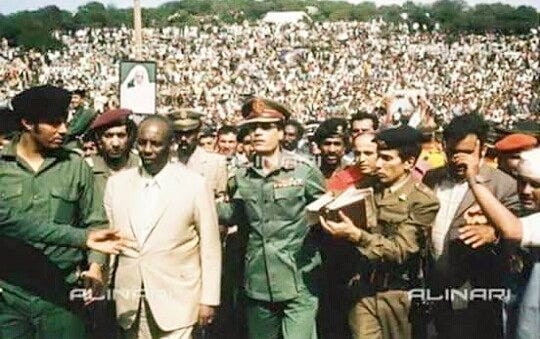
Assessing such a divisive historical figure risks biases glorifying or condemning too strongly. We will aim for truthful neutrality regarding events while acknowledging interpretative disagreements. The Libyan people experienced both progress and oppression under four decades of Gaddafi. His death during the 2011 civil war left unreconciled feelings and power vacuums still impacting Libya today.
One of his famous dialogues is
“Africa is for Africans If you wanna fight we are waiting for you”
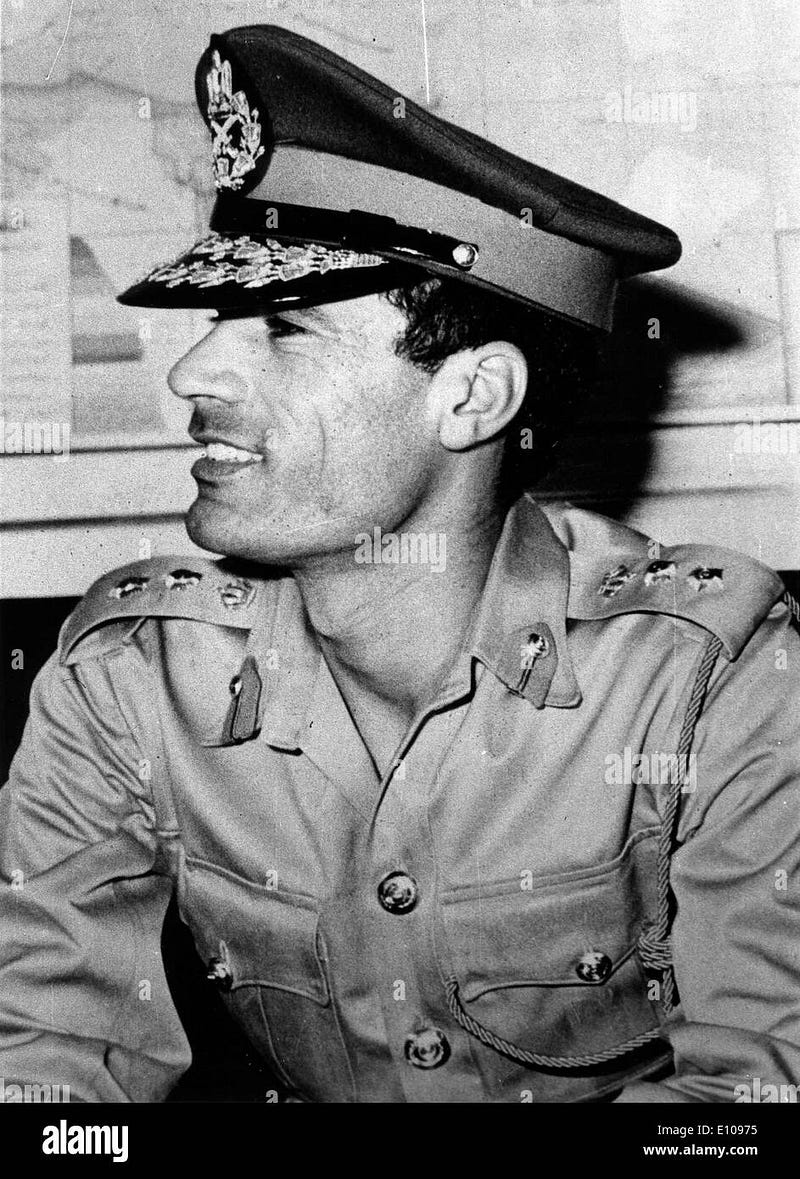
In His Era
Gaddafi’s 1969 Bloodless Coup
Context of dissatisfaction with Libyan monarchy.Strategic partnerships with Arab nationalist leaders. Consolidating authority in the early years
Reforming Society Through Socialist Visions
Redistributing wealth and nationalizing assets.Investments to improve healthcare, literacy, and infrastructure.Restrictions on political freedoms and civil liberties
Funding Anti-Imperialist Causes Across Africa
Support for revolutionary movements.Promoting pan-African solidarity and Libyan leadership.Imperialist criticisms of global “rogue state” backing
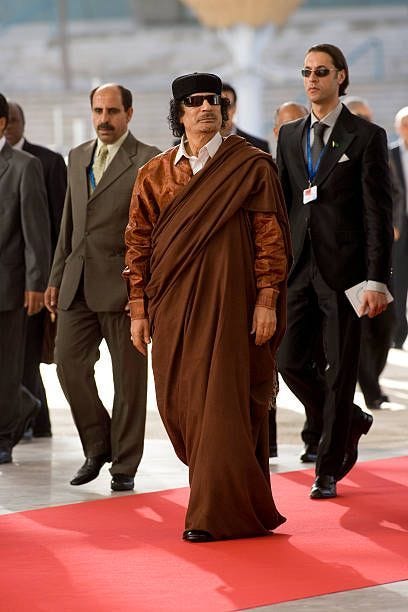
Descent Into Pariah Status and Civil War
International sanctions for terrorism accusations.Brutal state response to growing protests.NATO intervention and Gaddafi’s violent end
Complicated Historical Appraisals
Hailed by some as an anti-colonial liberator.Despised by others as a dictator guilty of atrocities.Complex debates around balancing pros/cons
Qaddafi’s Vision for Libya
“The Green Book” He wrote for his nation
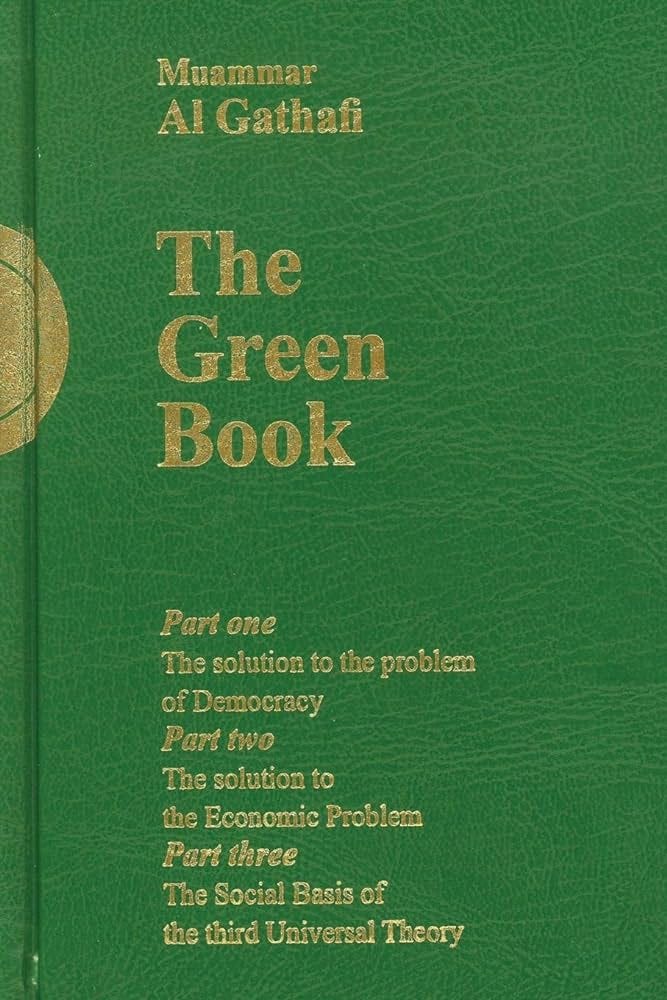
A Manifesto for a Unique Ideology Empowering the Libyan People.Controversies Surrounding Kernal Muammar Qaddafi.Human Rights Abuses and Suppression of Dissent International Relations and State-Sponsored Terrorism
Legacy and Downfall of Kernal Muammar Qaddafi Arab Spring and the Libyan Civil War. Evaluating Qaddafi’s Impact on Libya Today. Assessing the Positive Contributions.Lingering Challenges and Unresolved Issues