
Ripple and cLabs agree El Salvador’s historic law making Bitcoin a legal tender is good news for the entire crypto industry
Just hours before a Blockchain for Europe Summit 2021 panel on financial inclusion on 9 June 2021, El Salvador made history by becoming the first country in the world to officially classify Bitcoin as legal tender across the Central American nation.
Ripple’s Head of Public Policy Susan Friedman;, and cLabs Head of Partnerships, Policy and Advocacy Anca Rusu participated in the “Social Impact via blockchain on a global scale — how the technology is affecting humanity” debate on the second day of the virtual Blockchain for Europe Summit 2021.
They spoke of how the Salvadoran Bitcoin announcement was the right step in the financial inclusion direction, the core topic of their summit intervention.
“Financial inclusion is right now one of the most talked-about pathways in which blockchain can make a social impact everywhere,” said Ms. Rusu. “The president of El Salvador invoked financial inclusion as a reason for making bitcoin legal tender.”
And to that point, it is worth quoting Reuters’ 14 June article that reveals that remittances in BTC to El Salvador increased four-fold in May from a year ago, although they still pale in comparison to US dollar remittances.
As Investopedia wrote, “Some governments fear bitcoin could be used to circumvent capital controls, money laundering or illegal purchases, and could be risky to investors. Still, others have voiced more systemic concerns over the decentralised cryptocurrency’s potential destabilise or undermine the authority or control of central banks.”
Good news for the entire crypto space!
“Ripple has always believed that if we could democratise financial systems the same way the internet democratised information, we can bring billions of people into it,” said Susan Friedman. “And you know that building on the bill El Salvador passed, the way to do that is through accessability to digital wallets. So giving people the ability to hold crypto, including bitcoin, is one example.”
The domino effect
A day after the summit, Crypto AM Senior Editor Darren Parkin wrote that at least four more countries are also preparing legislation to follow in El Salvador’s footsteps by making bitcoin legal tender.
In Paraguay, Mr. Parkin added, “Congressman Carlos Rejala is expected to pass a bill in July through Asuncion (Paraguayan capital city) to attract cryptocurrency companies. If passed, it would only take a second bill in October to have bitcoin officially recognised.”
Panama is also expected to table a bitcoin as a legal tender bill by the end of July, Darren Parkin said. And in Mexico, “it should be just a matter of time before an agreement is in place to bring a motion for discussion to the Mexican parliament.”
And lastly, Venezuela, a country that already attempted to resolve its economic crisis via its failed Petro crypto-token, is ripe for adopting bitcoin both on a societal and governmental level, he added.
Backlash to the Salvadoran decision?
Everybody in the crypto world wants to see the developing world using cryptocurrencies for transactions, and many experts believe bitcoin may soon become a global reserve currency, which is why many institutions controlled by the United States and its allies have immediately bashed the Salvadoran measure.
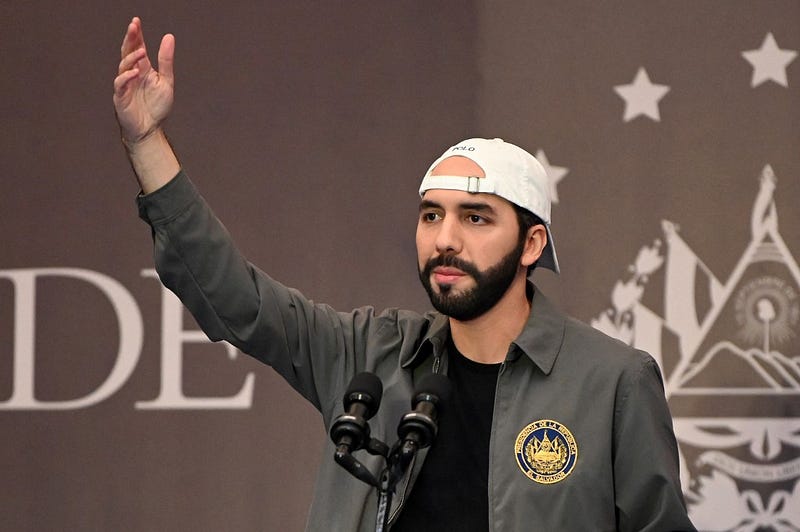
On the flip side, however, Anna Tutova, Coinstelegram CEO, a crypto consulting firm, makes a good point noting that Nayib Bukele is a former marketing stunt to attract attention to the Central American country. She also said El Salvador has a reputation for being highly corrupt, “so, this decision may be to divert attention away from the current problems in the country.”
El Salvador approached the World Bank for help with the implementation of bitcoin as a legal tender. However, the international lender cited concerns over transparency and the environmental impact of Bitcoin mining.
The World Bank’s decision could mean El Salvador may not meet its deadline to ensure BTC is accepted across the country in three months as planned by Bukele.
“We are committed to helping El Salvador in numerous ways including for currency transparency and regulatory processes,” a World Bank spokesperson told the Reuters news agency via email.
The International Monetary Fund said it has economic and legal concerns regarding the, further clouding the outlook for an IMF-backed program and widening spreads on the country’s bonds.
“Adoption of bitcoin as legal tender raises a number of macroeconomic, financial, and legal issues that require very careful analysis,” said Gerry Rice, an IMF spokesman, during a scheduled press briefing. “We are following developments closely, and we’ll continue our consultations with the authorities.”
Conclusions
Whether El Salvador becomes appealing to investors after its decision to use bitcoin as legal tender is going to depend solely on President Bukele’s ability to use his unquestionable political capital to bring a large consolidated fiscal deficit into control.
El Salvador’s law means bitcoin will have equal legal standing as the US dollar, which became the country’s official currency 20 years ago.


