
Rhythms of India: Exploring the Rich Traditions of Indian Dance —
a form of expression, a celebration of life, and a connection to the divine
India is a country of amazing contrasts that is home to a diverse range of cultural expressions, all carefully linked together with branches of tradition, history, and artistry. Indian dance is one of these colourful expressions that stands out as a symphony of movement, story, and emotion. Audiences are captivated by its complex choreography, emotional gestures, and storytelling ability.
Indian dance has ancient roots that are interconnected with religious ceremonies, mythology, and temple performances. The Natya Shastra is a foundational text that outlines the principles and aesthetics of Indian classical dance. It is an essential article on dance attributed to the sage Bharata Muni.
A Journey Through Traditional Indian Dancing Styles —
India's traditional dance styles, identified by their elaborate hand gestures, enhanced movements, and meaningful facial expressions, have changed over time.
India's classical dance forms have developed over centuries, reflecting the varied cultural landscapes of the subcontinent. They are distinguished by their stylized movements, elaborate hand gestures, and expressive facial expressions. With its distinct style, music, and regional identity, each classical dance style provides a glimpse into the diverse fabric of India's past.
Bharatanatyam :
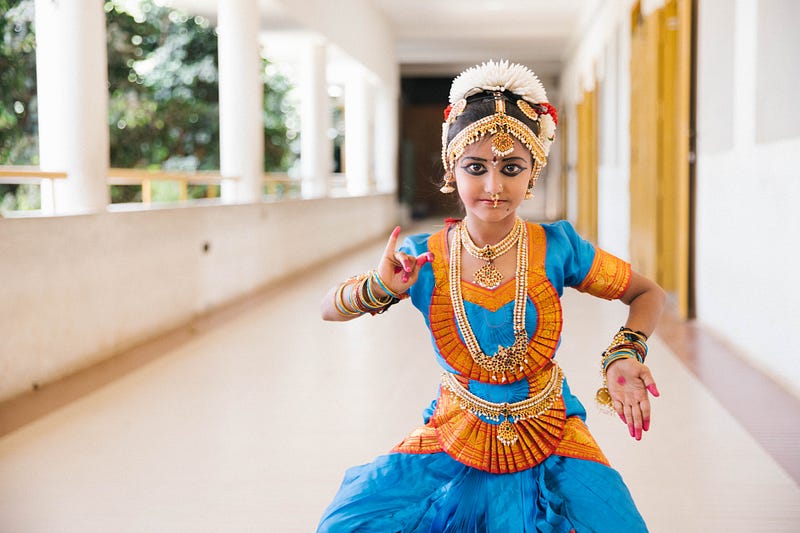
Bharatanatyam is a temple-based dance style that formed in Tamil Nadu, southern India. It tells stories from Hindu mythology and includes devotional themes. Its movements are defined by precise postures, deft footwork, and intricate hand gestures called mudras.
Kathak :
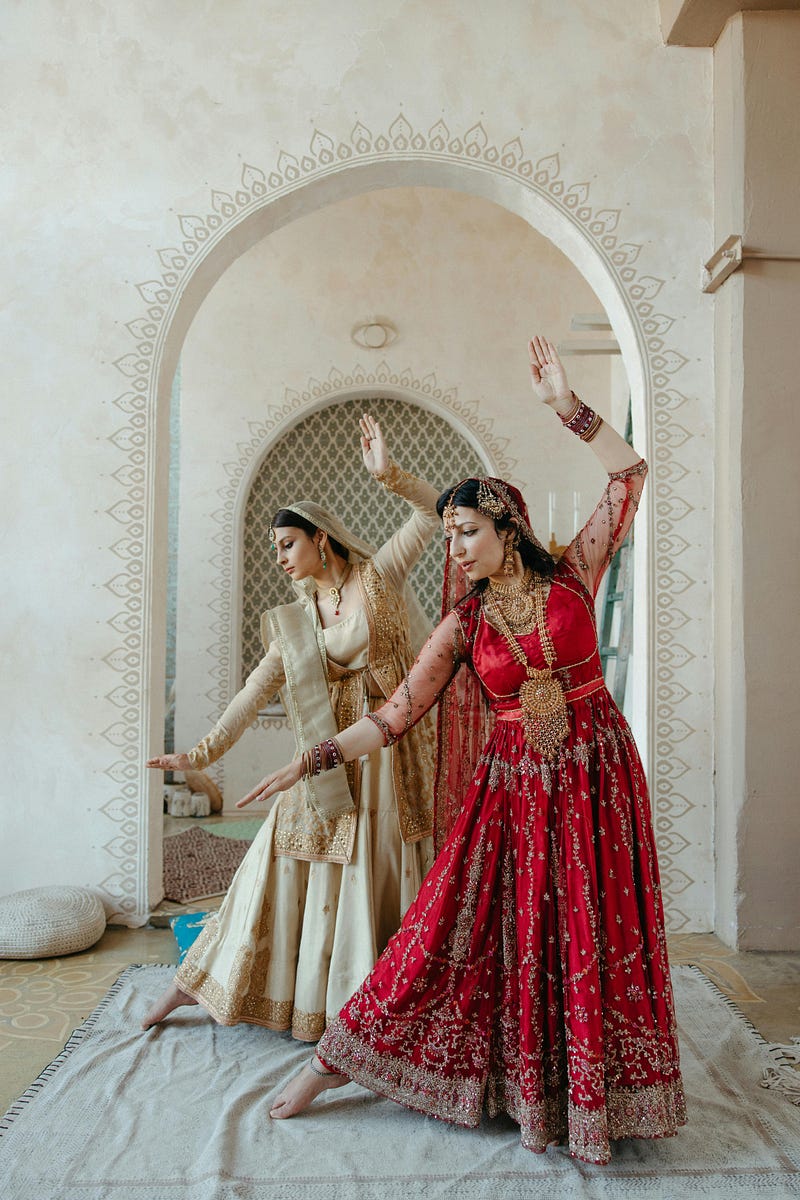
Kathak is a graceful and expressive dance style that formed in the temples of northern India. It uses spins, intricate footwork, and stylized movements to tell stories. It is known for its skilled footwork, emotional facial expressions, and inventive use of percussion instruments like the tabla.
Kathakali :
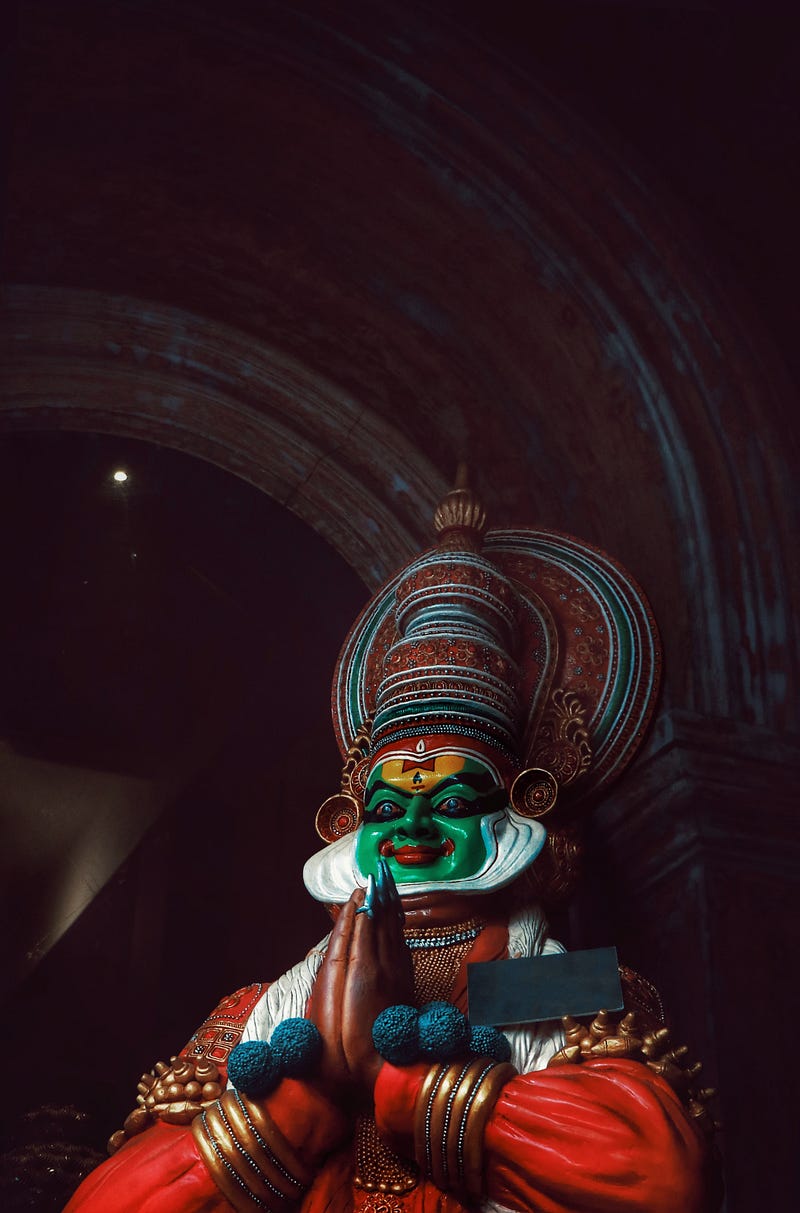
Kathakali is a dramatic dance style that shows tales from Hindu epics and mythology. It formed from Kerala’s rich cultural traditions. It’s a captivating drama, with its elaborate makeup, dramatic facial expressions, and stylized movements.
Odissi :
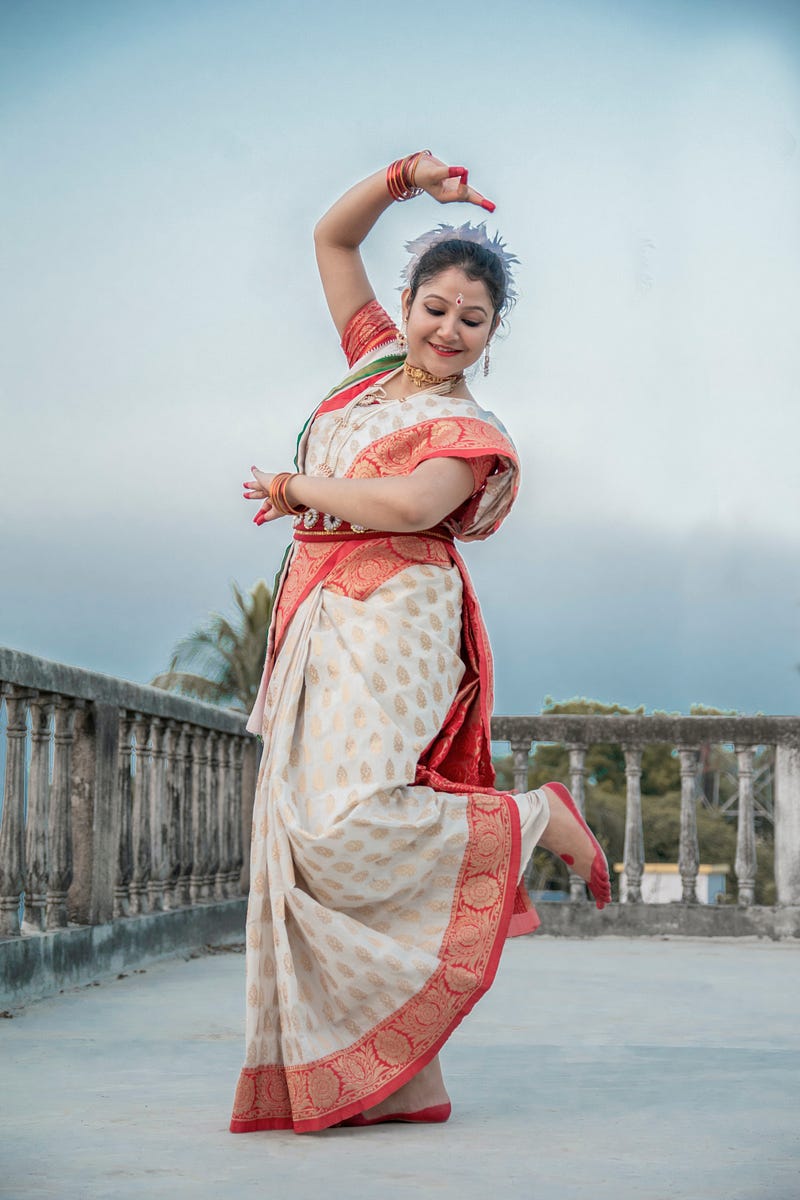
Odissi is a graceful and sculpture-like dance style that has its roots in the temple traditions of Odisha. It is defined by its expressive hand gestures, complex postures, and lyrical movements. The artwork found in the temples of Orissa are the source of its rhythmic patterns and elegant movements.
Kuchipudi :
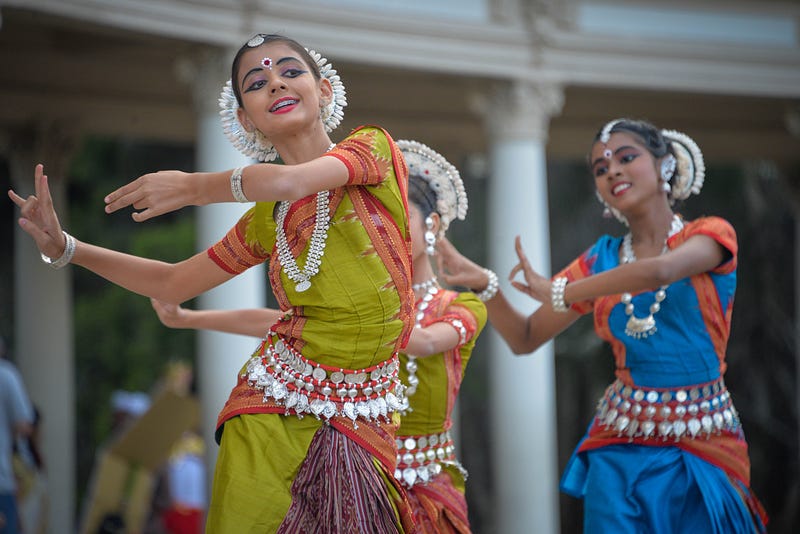
Kuchipudi, coming from the Andhra Pradesh villages, Kuchipudi is a colourful and dynamic dance style that tells tales of devotion and Hindu mythology. Its movements are defined by skilled footwork, emotional facial expressions, and the use of bells and drums as accessories.
The Magic of Traditional Dancing: Honouring India’s Cultural Variety —
India's vibrant folk dance traditions provide an insight into the rich cultural diversity of its people, extending beyond the realm of classical dance. Every area and every community takes pride in its own folk dance style, which reflects regional celebrations, customs, and traditions.
- Bhangra :
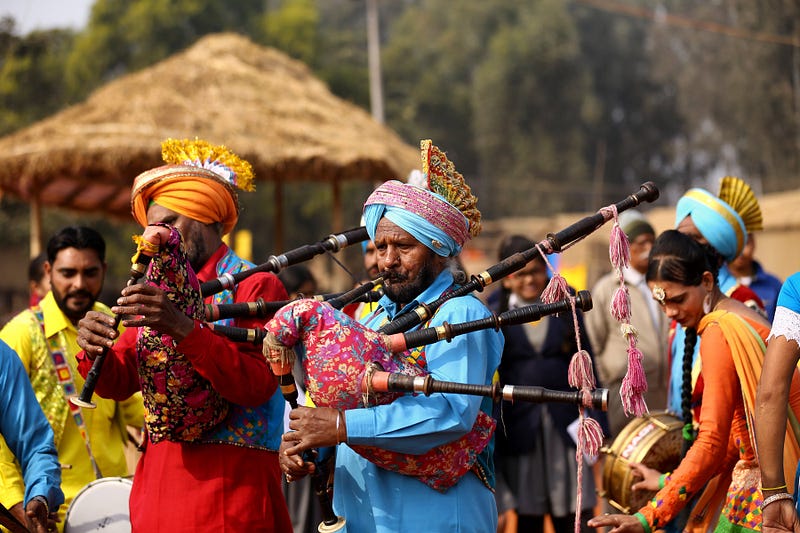
Bhangra is a lively and cheerful folk dance from Punjab that is typically connected to the Baisakhi harvest festival. Its quick footwork, dhol beats that are rhythmic, and vibrant costumes define it.
- Garba :
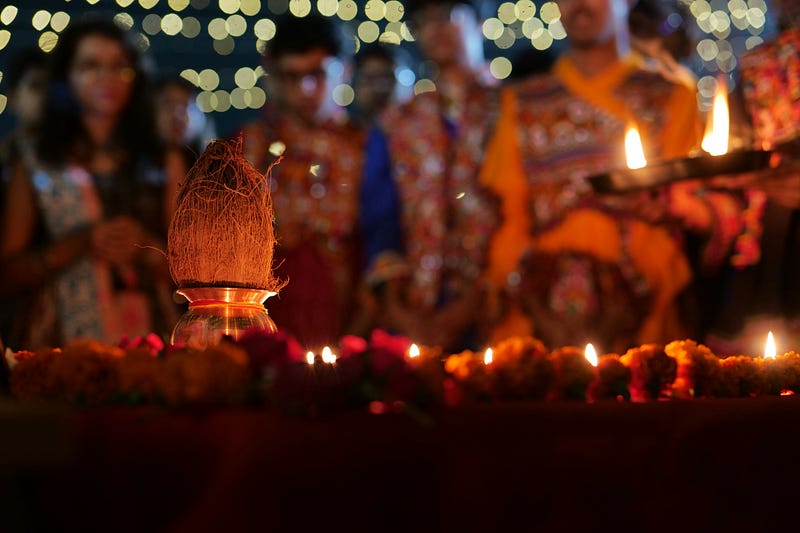
Gujarati devotional dance, garba, is performed during Navratri, the nine-day festival dedicated to goddess Durga. Gujarati folk dance Dandiya Raas highlights rhythm and coordination through stick work.
- Bihu :
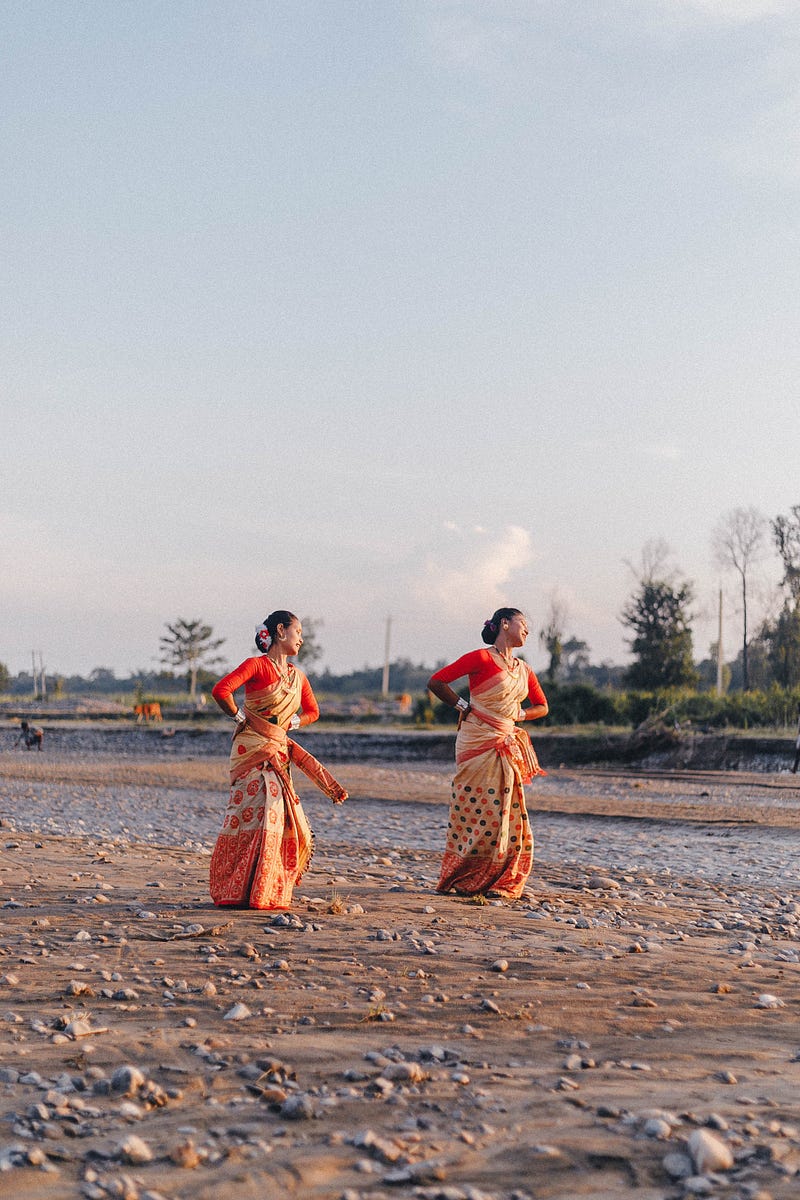
Assamese folk dance Bihu is a lively dance that is performed during the Rongali Bihu festival, which brings in the springtime. It is defined by its rhythmic swaying, quick steps, and quick hand movements.
- Ghumar :
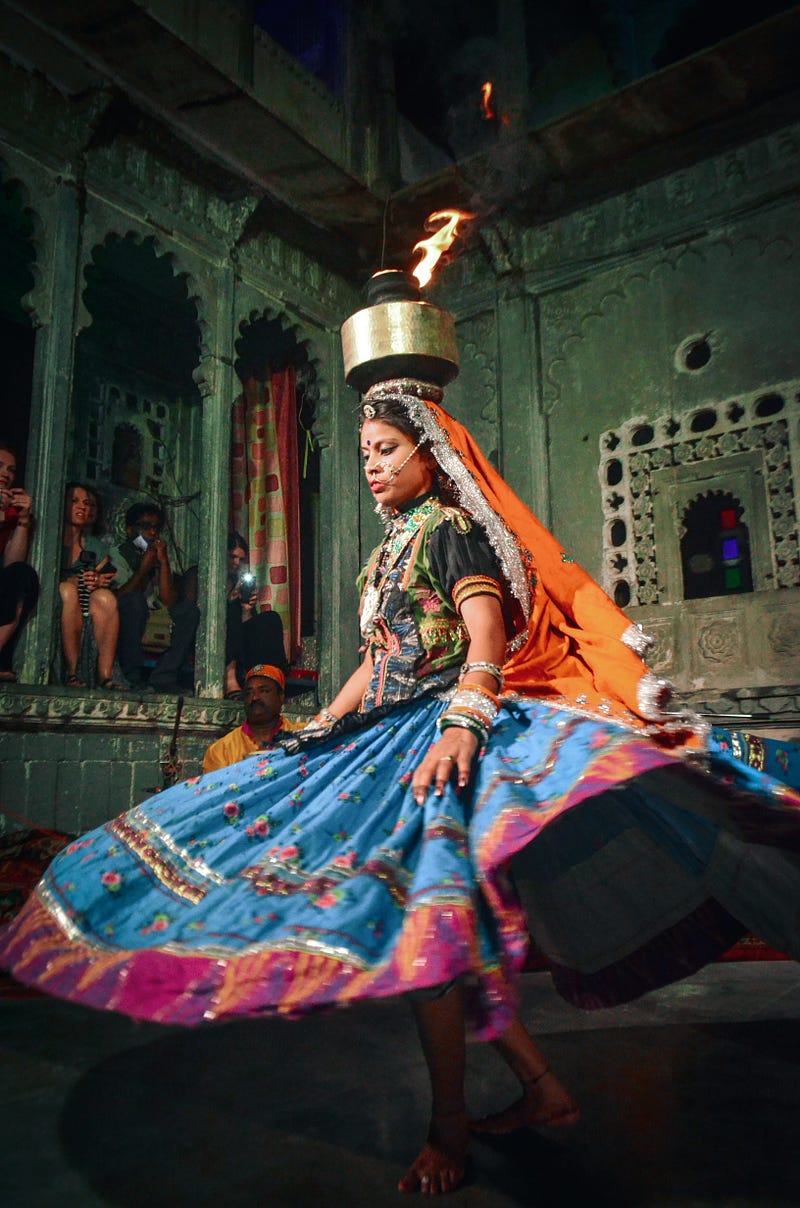
Ghumar is a graceful folk dance from Rajasthan .that women perform at festivals and other events. It is defined by its rhythmic clapping, swirling skirts, and circular motions.
- Chhau :
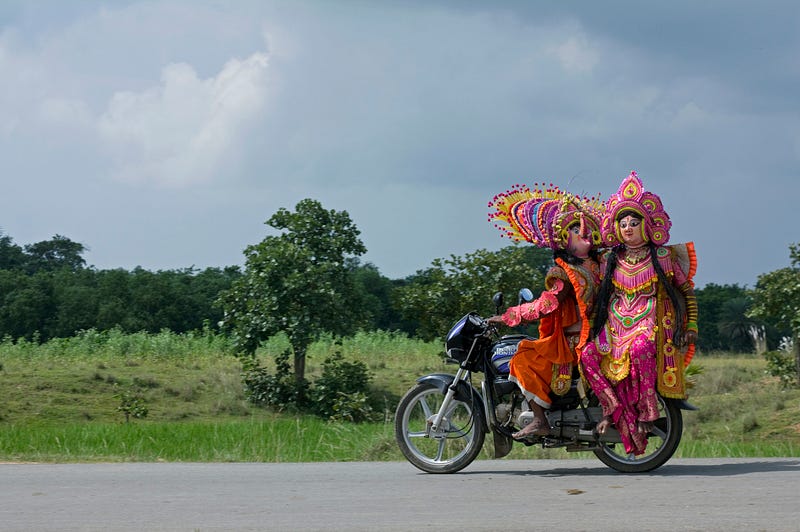
Chhau is a popular masked dance-drama tradition in eastern India that is distinguished by its dynamic movements, elaborate costumes, and elaborate masks. It is influenced by folk performing arts, martial arts, and temple customs.
Indian Dance’s Long-lasting Legacy —
Indian dance, both classical and folk, is still a global attraction that travels across cultural divides andinspiring a strong sense of connection with India's rich past. These dance forms maintain and transmit the narratives, customs, and feelings that have shaped the cultural identity of the country, appearing to the enduring legacy of artistic expression in India.
Participation in the rhythms of Indian dance takes you on a journey through the country's rich cultural tapestry, revealing a world of artistry, storytelling, and emotional expression, whether you watch an attaching performance or learn its intricate movements.