
Rewriting Roald Dahl
Should we airbrush literature?
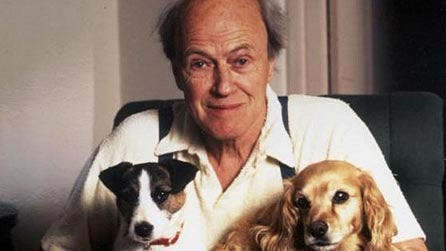
Roald Dahl (1916–1990) was an author, poet and screenwriter, well-known for his children’s books, such as Matilda, James and the Giant Peach, The BFG, Charlie and the Chocolate Factory and many others. His awards for contribution to literature include the 1983 World Fantasy Award for Life Achievement and the British Book Awards’ Children’s Author of the Year in 1990.
If you haven’t read Dahl’s children’s stories, they are edgy, irreverent and funny, often darkly so. They are written from a child’s perspective and feature villainous adults, although there is usually at least one “good” grownup. The children in the tales usually triumph and good wins out over evil.
His poetry takes a twisted look at traditional fairy tales, such as the anthology, Revolting Rhymes, which was a favourite of my own children.
I am pretty certain I can still recite The Three Little Pigs by heart.
The craft of words
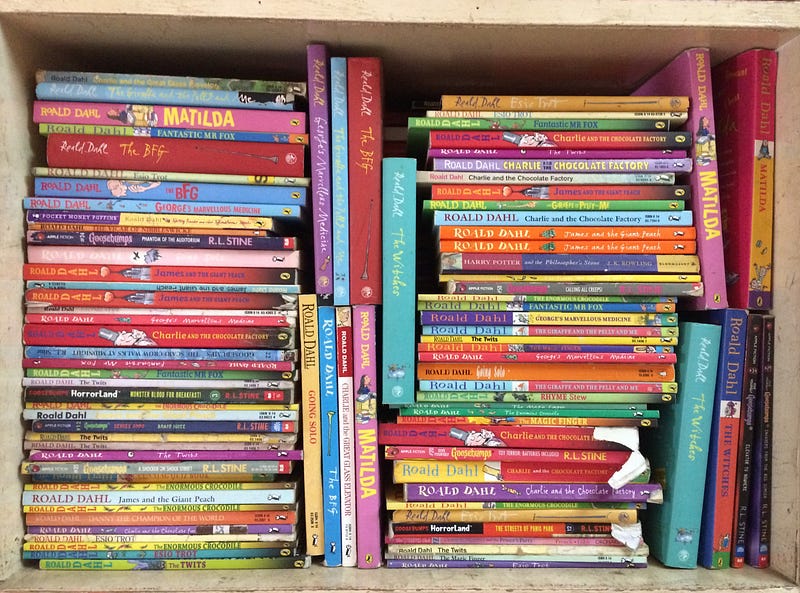
Dahl was a wordsmith, often coining his own words. The Oxford Roald Dahl Dictionary, compiled by lexicographer, Dr. Susan Rennie, celebrates the author’s wordplay and includes many of his invented terms. Although these were often unexplained in his books, they were understood by his young readers as they made sense.
“For example,” says Dr. Rennie, “You know that something lickswishy and delumptious is good to eat, whereas something uckyslush or rotsome is definitely not.”
Dahl’s first children’s novel was published in 1961, but his books are still extremely popular with kids today.
Rewriting for sensitivity
Yet recently, Puffin, the English publisher of Dahl’s books, announced that it had hired “sensitivity readers” to extensively rewrite the books, removing references to characters as “fat”, “thin” or “ugly” and inserting new paragraphs. Other changes include amending the reference to the formidable Miss Trunchbowl in Matilda, from a “female” to a “woman”.
Various authors, such as Philip Pullman and Salman Rushdie have weighed in on the topic, as has British Prime Minister, Rishi Sunak. Puffin say they are refreshing the books to appeal to modern parents.
So, should we care?
I think we ought. Times do change, but literature reflects the society in which it was written. This will not always be positive. Yet, we can learn from these texts.
Literature as a teacher
When I was young, I read To Kill a Mockingbird by Harper Lee. It tells a story of inequity, not only racial, but of marginalised people, like the character, Boo Radey. I had never met an African American, but the depiction of racism in this classic book kindled an outrage in me that also led to me questioning the treatment of people of colour in my own country, developing my sense of justice and forming the values that I hope I now live by.
Books have that power.
We seldom see adult literature rewritten. That would amount to censorship. The author’s words are sacrosanct, no matter how confronting or obscene. Yet it seems that children’s literature is fair game.
Adults seem to spend an inordinate amount of time and energy prescribing what children should or should not read.
The works of Enid Blyton, written in the early part of the 20th century, have been rewritten, airbrushing out elements of sexism and aspects like corporal punishment, that are no longer considered correct.
Yet history informs the future. Sometimes we need to be outraged by something to learn. Sexism and corporal punishment were real in the time that Blyton was writing.
Literature reflects the culture
The changes in culture and values are a learning opportunity; a conversation starter to let the child decide what is wrong with the situation. This encourages critical thinking and in this age of misinformation, children need to think critically about what they read.
Literature is part of our culture: a reflection of both the good and the bad.
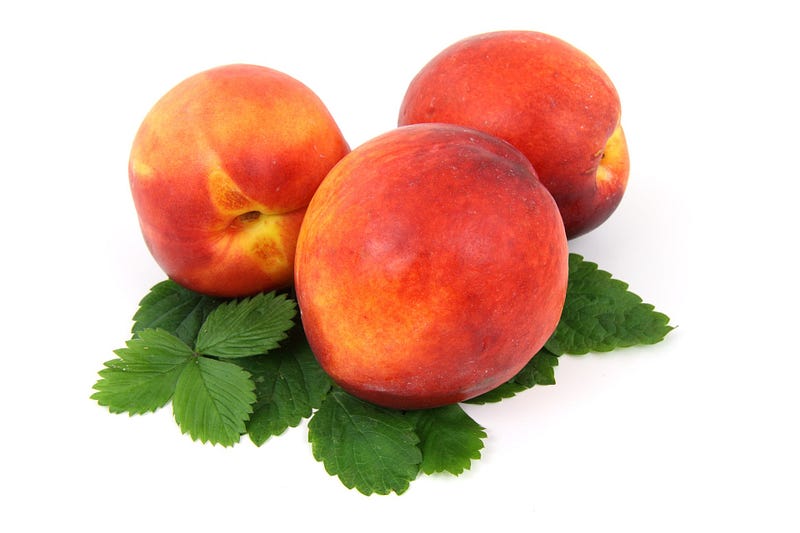
Dahl writes, in James and the Giant Peach, that the Centipede sings: “Aunt Sponge was terrifically fat / And tremendously flabby at that,” and, “Aunt Spiker was thin as a wire / And dry as a bone, only drier.”
In the new versions, both verses have been removed, replaced by the rhymes: “Aunt Sponge was a nasty old brute / And deserved to be squashed by the fruit,” and, “Aunt Spiker was much of the same / And deserves half of the blame.”
Squashed by the fruit?
An improvement? I don’t think so. Ten years from now, the sensitivity readers may see this as violence and rewrite it again.
Interestingly, the French publishers of Dahl’s work, Gallimard, have stated that they will not be making changes.
In the end, parents and guardians have responsibility for what their children read and they can choose to avoid Dahl’s books if they prefer. Certainly, books being written today omit themes that Puffin have deemed offensive and hopefully, children are exposed to a wide range of literature.
But Roald Dahl wrote his books intentionally to capture a child’s imagination. To keep them interested, so they would not want to look up from the book and watch TV instead.
And despite the passage of time, they are still enthralled by his writing.
‘Somewhere inside all of us is the power to change the world.’ —Roald Dahl in Matilda
Was there a children’s book that help form your values? Let us know in the comments.
References and further reading: