
Revolutionizing Web Performance: The Case for Integrating Zstandard (zstd) Compression

In the digital age, the efficiency of data transmission across the web is paramount. As web technologies evolve, so too do the methods for optimizing the size of data being transferred, ensuring quick and efficient access to information. Enter Zstandard, commonly referred to as “zstd”, a state-of-the-art data compression algorithm that heralds a new era in data optimization. Detailed in RFC8878, zstd is engineered to deliver fast, lossless compression, aiming to strike an optimal balance between the compression speed of zlib and achieving superior compression ratios.
The significance of zstd within web technologies cannot be overstated. In an environment where speed and efficiency are king, the ability to compress data effectively without loss is invaluable. This is particularly relevant in the context of Content Delivery Networks (CDNs) and web servers that constantly strive to deliver dynamic content, such as HTML and JSON for API calls, to end-users as swiftly as possible. Traditional compression algorithms like gzip have served this purpose well, but with limitations in compression ratio and speed.
Zstd sets itself apart by targeting real-time compression scenarios, offering zlib-level speeds with even better compression ratios. This capability presents a significant advantage for web applications, where the balance between compression efficiency and processing speed directly impacts user experience and operational costs. For CDNs and web origins looking to compress their dynamic content more effectively, zstd offers a compelling alternative to gzip and even Brotli, which, despite its higher compression ratios, incurs greater CPU costs and Time To First Byte (TTFB) delays, making it less ideal for non-cacheable dynamic content.
The development and promotion of zstd by the Facebook/Zstd team underscore its potential. Their published research on compression levels versus CPU usage versus compression ratios highlights some of the algorithm’s key advantages. By optimizing these parameters, zstd provides a versatile solution that can adapt to various web performance requirements, making it a promising candidate for widespread adoption in the future.
As we delve deeper into the workings and benefits of zstd, it becomes clear why this compression algorithm stands out as a significant advancement in web technology. Its potential to improve data transmission efficiency could not only enhance the user experience but also contribute to a more cost-effective and robust web ecosystem.
Comparative Analysis of Compression Algorithms
The web’s relentless growth and the ever-increasing demand for faster content delivery have made data compression an indispensable technology. At the heart of this quest for efficiency are compression algorithms, each with its unique strengths and trade-offs. Among these, gzip and Brotli have been the stalwarts, widely recognized for their role in reducing data sizes and enhancing web performance. However, the emergence of Zstandard (zstd) presents a new chapter in this ongoing optimization saga, offering a blend of speed and compression efficiency that challenges the status quo.
Gzip: The Web’s Workhorse
Gzip has long been the go-to compression algorithm for web content, lauded for its simplicity and decent compression ratios. It operates well under a variety of conditions, providing a balance between compression efficiency and processing speed. However, gzip’s algorithm, while effective, doesn’t always achieve the optimal compression ratios required for the increasingly large and complex web applications of today.
Brotli: Pushing the Boundaries
Enter Brotli, developed by Google, which offers significantly better compression ratios compared to gzip, especially for text data such as HTML, CSS, and JavaScript. This advantage makes Brotli an attractive option for static content, where the compression process can be offloaded and cached. However, Brotli’s higher compression ratios come at a cost: increased CPU usage and potentially longer Time To First Byte (TTFB), especially at its higher compression levels. This trade-off limits Brotli’s appeal for dynamic, non-cacheable content, where the delay introduced by compression can affect user experience.
Zstandard: A New Contender
Zstandard distinguishes itself by offering a highly tunable compression algorithm that can be adjusted for either maximum compression ratio or speed, or a balanced compromise of both. Its ability to deliver compression ratios that outperform gzip, and in some cases, rival Brotli, at lower CPU costs, sets zstd apart. Moreover, zstd’s performance does not significantly degrade at higher compression levels, a critical factor for dynamic content delivery where processing overhead and latency are crucial considerations.
Technical Deep Dive into Zstd
Zstandard’s prowess lies in its sophisticated yet flexible algorithm, which leverages a combination of techniques such as entropy coding, dictionary compression, and fast decompression speeds. At its core, zstd uses a variant of the LZ77 algorithm, enhanced with a rich set of features that optimize its efficiency.
Compression Levels and Their Impact
One of the defining characteristics of zstd is its wide range of compression levels, offering a spectrum from very fast and less compressed to slower but highly compressed outputs. This tunability allows developers to precisely balance the trade-off between compression ratio and CPU usage, tailoring the algorithm’s performance to the specific needs of their application.
The research conducted by the Facebook/Zstd team illuminates this balance. Their studies demonstrate that at moderate compression levels, zstd can achieve compression ratios superior to gzip with comparable or faster processing times. When matched against Brotli, zstd maintains competitive compression ratios while requiring significantly less CPU resources, making it a viable option for real-time compression of dynamic web content.
Optimizing for Web Performance
For dynamic content, which cannot benefit from pre-compression and caching strategies, zstd’s efficiency becomes even more critical. Its ability to compress data on-the-fly with minimal impact on CPU load and latency can significantly improve the performance of web applications, reducing server load and enhancing user experience through faster content delivery.
As we look towards the adoption of zstd in web technologies, it’s clear that its benefits extend beyond simple compression ratios. The algorithm’s flexibility, efficiency, and low resource consumption offer a compelling solution for the modern web, promising faster, more efficient content delivery without the burden of increased server costs.
User Benefits of Zstd Adoption
The adoption of zstd for web content compression carries several direct benefits for users, further justifying the push for its integration into browser technologies.
- Faster Page Load Times: With zstd’s ability to compress content more efficiently, users will experience quicker page loads. This is particularly beneficial for dynamic content, such as user-generated content and live feeds, where the delay between request and content delivery is critical.
- Reduced Bandwidth Usage: For users with limited data plans or those accessing the web through mobile networks, zstd’s higher compression ratios mean that accessing content will consume less data, helping to reduce costs and improve accessibility.
- Lower Serving Costs: From a broader perspective, the reduced CPU requirements for compression translate to lower serving costs for web publishers. This efficiency can make it more feasible for smaller websites and startups to scale their operations without incurring prohibitive infrastructure expenses.
Challenges and Considerations
While the benefits of zstd are clear, its adoption as a standard for web content encoding is not without challenges.
- Broad Support: Achieving widespread support across all major browsers and web servers is essential for zstd’s success. This requires concerted efforts from developers, browser vendors, and standards organizations to ensure compatibility and implementation.
- Performance Optimization: While zstd offers excellent compression and speed, fine-tuning performance for specific web applications and content types will be necessary. This may involve optimizing server configurations and updating web development practices to take full advantage of zstd’s capabilities.
- Security Implications: As with any new web standard, ensuring that zstd’s implementation does not introduce security vulnerabilities is paramount. Rigorous testing and analysis will be required to ensure that zstd-encoded content is transmitted securely over the web.
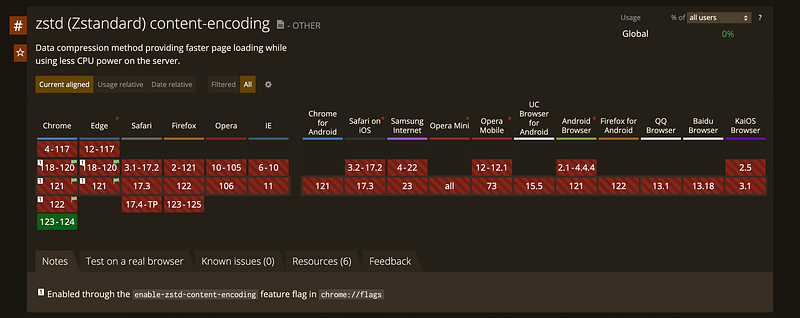
The potential of Zstandard to revolutionize web content delivery is immense. By addressing the technical and logistical challenges of its adoption, the web community can unlock the benefits of faster, more efficient content transmission. As we consider the future of web technologies, the role of advanced compression algorithms like zstd will undoubtedly be a key factor in shaping a more accessible and efficient digital landscape.


