Reviving Kodachrome 25: Recreating the Iconic Film Stock with Adobe Lightroom
Bringing the Vibrant Colors of Kodachrome 25 to Digital Photography

Why Kodachrome 25 is Still Revered Today
The world of photography is constantly evolving, and yet there are certain techniques and tools that have stood the test of time. Two such examples are the undying love for Kodachrome 25, a film stock that was first introduced in the late 1930s and quickly gained a reputation for its stunning colors and rich tonality…and the other is Adobe’s suite of photo editing tools for the digital photographer, especially Lightroom Classic.
Despite the fact that Kodachrome has been out of production for over a decade, it still holds a special place in the hearts of many photographers. In this article, we will explore why Kodachrome is still revered today, and how it can be used to create stunning images.
To illustrate the power of this legendary film stock, we will create, then apply a Kodachrome emulation recipe, built in Lightroom to a select set of images from my series of street photographs captured over a five-year period on the island of Martha’s Vineyard. I’ll also include examples from some of the greatest photographers of our time, who have used this film to capture iconic moments in history, and briefly discuss their contributions in regards to their extensive use of this particular film stock.

Throughout this post, we will delve into the unique characteristics of Kodachrome and examine how it produces such striking and vivid colors. We will also provide step-by-step instructions for applying the Lightroom recipe to your own images, so that you can come as close as possible today in experiencing the magic of Kodachrome 25 for yourself with your own digital imagery.
Why Recreate the Look of Kodachrome at all?
Kodachrome is a name that still reverberates among photography enthusiasts, even though the iconic slide film was discontinued over a decade ago. Known for its rich, vivid colors, and Kodachrome 25 was a favorite among photographers such as Steve McCurry, William Eggleston, Ernst Haas, and Saul Leiter and others. Today, the film has attained almost mythical status among photography lovers, with many seeking to recreate its unique look in digital formats.
This stock is one of the most iconic films in the history of photography, and for good reason. The unique color palette and sharpness of Kodachrome slides are legendary, and it’s no surprise that photographers still covet the look of this classic film. But what makes Kodachrome so special?
In an interview with Kodak, Kodachrome’s inventor, Leopold Godowsky Jr., explained, “We designed Kodachrome to be a complex film, with many layers of emulsion and dyes that work together to create the final image. The film also used a complex processing system, which involved three separate development steps, to achieve its distinctive colors and sharpness.”.
“Kodachrome 25 from the late 1970s and early 1980s has a slightly cooler color balance than earlier batches, with blues and greens slightly more prominent.”
So…let’s look at the chemistry of Kodachrome film. Kodachrome 25 is one of the most iconic slide films of all time, and its unique chemistry and manufacturing process are what made it stand out. The film was manufactured by Kodak from 1935 until 2009, when the company stopped producing it due to the rise of digital photography confounded by the escalating costs and environmental concerns associated with the chemistry and development processes. According to a Kodak technical data sheet, the Kodachrome 25 film had “13 layers of emulsion coated on a triacetate base, each layer containing different chemicals that react to produce the final image.” The film also used a unique dye-coupling process that allowed for the creation of highly saturated and vibrant colors. In this process, as explained by photographer and film expert Nick Carver, “the dyes that make up the colors in the film are actually formed during development, by a chemical reaction between the color couplers in the emulsion and the developer chemicals.”
The development process for Kodachrome 25 was equally complex, involving a series of precise steps that were critical to achieving the film’s signature look. As explained by film expert and historian Robert Harris, “Kodachrome required a unique process of development, one in which the black-and-white negative image produced by the film was removed, leaving only the three separate color layers. These layers were then dyed complementary colors and combined to form the final image.”
Overall, the combination of the complex manufacturing and development process made Kodachrome 25 a highly sought-after and distinctive film stock however, over time, the look of Kodachrome 25 changed as improvements were made to the production process. According to a review by the Film Photography Project, “Kodachrome 25 from the late 1970s and early 1980s has a slightly cooler color balance than earlier batches, with blues and greens slightly more prominent.” Despite these changes, the film’s unique character remained a favorite among photographers, artists, and filmmakers alike.
“…Kodachrome 64 did not have the same warmth and richness of Kodachrome 25, making it less popular among artists and fine art photographers.”
Kodachrome 25 was a film largely known for its distinctive and rich color reproduction, with a particular emphasis on warm tones such as oranges, yellows, and reds. The film’s ability to capture a range of colors in a single image was unmatched, providing a depth and vibrancy that was hard to replicate with other films. According to renowned landscape photographer John Sexton, the colors were “rich, saturated, and warm” with a unique ability to render blues and greens in a way that was true to life.
The color reproduction of the stock was truly remarkable, with a color palette that was vivid and intense, yet never overbearing. The warm tones were especially emphasized, giving images a pleasing and inviting quality. The colors were not just vibrant, but also highly nuanced, with subtle tonal transitions that gave images a lifelike quality. As the photography expert Steve Anchell notes, Kodachrome 25 was capable of capturing “a wider range of colors than any other slide film”.
Along with its color reproduction, it was also known for its fine grain and sharpness. The film produced images with a high level of detail and clarity, making it a popular choice among photographers who wanted to capture fine details in their work. Add to this the fact that the film’s distinctive luminosity was also highly praised, with highlights that were soft and subtle, creating a dreamy quality to the images. The film’s ability to capture a wide range of subjects was another key feature often touted, with superb flesh rendition, brilliant highlights, and clean shadows, as Kodak describes. Overall, Kodachrome 25 was a film that offered a level of quality and versatility that was simply unmatched by other films of its time.
In comparison to Kodachrome 25, Kodachrome 64, another version of this stock, had a cooler color balance and finer grain structure, making it well-suited for commercial, editorial, and portrait work. According to film photography expert Michael Raso, Kodachrome 64 “provided a more neutral palette that was more acceptable to editors and art directors” and had “better skin tones” than its predecessor. However, Kodachrome 64 did not have the same warmth and richness of Kodachrome 25, making it less popular among artists and fine art photographers.
“The film was designed to last. We had a slide that had been in a museum for 80 years, and it still looked as good as the day it was developed.”
While neither version of Kodachrome film is produced any longer, its unique look and aesthetic have continued to inspire photographers and enthusiasts to this day. According to Steve McCurry, a renowned photojournalist who used Kodachrome extensively throughout his career, “Kodachrome was the quintessential film. It had a unique, rich color palette that was both vibrant and warm, and it had incredible sharpness and detail that made it perfect for capturing the world’s most beautiful moments.”.
Kodachrome’s unique color palette and sharpness are just hard to beat for a total aesthetic look and “feel”.

Kodachrome was also known for its incredible durability, with slides made using the film still retaining their original colors and sharpness after decades. As Kodak’s Technical Information Bulletin on Kodachrome explains, “The film’s unique processing system produced an image that was incredibly stable and resistant to fading, which is why slides made using Kodachrome still look as good today as they did when they were first developed.”.
In an interview with The Guardian, Kodak’s former vice-president of research and development, Martin Scott, also spoke about Kodachrome’s durability, saying, “The film was designed to last. We had a slide that had been in a museum for 80 years, and it still looked as good as the day it was developed.”
As stated previously, the secret to Kodachrome’s magic lies in both its unique chemistry and manufacturing process, which created a distinctive color palette and a very high acutense, or degree of sharpness. Its durability is also unmatched, making it a true classic in the world of photography. As McCurry says, “Kodachrome was a film that captured the beauty of the world in a way that no other film could.”
Ahead, we’ll examine the unique observable qualities of Kodachrome 25...and show you how to recreate its look in Adobe Lightroom. We’ll use examples of photos from my 5-year street photography series called “Today’s Catch…”, which was based on the island of Martha’s Vineyard. All with a Lightroom recipe that emulates the warm, saturated colors and high contrast of Kodachrome that you can use and tweek over and over again with just one click.
We’ll also guide you through the process of applying your new Kodachrome preset to any image you want to give this iconic film stock look to. And to make things even more interesting, we’ll include a nice selection of images showcasing the impact of the Kodachrome 25 emulation on some digital imagery.
So, if you’re ready to explore the magic of Kodachrome 25 through the eyes of it’s historical masters, and learn how to recreate its legendary look in Adobe Lightroom, let’s dive in!
The Pioneers of Kodachrome 25: How Four Legendary Photographers Used the Film Stock
Ernst Haas
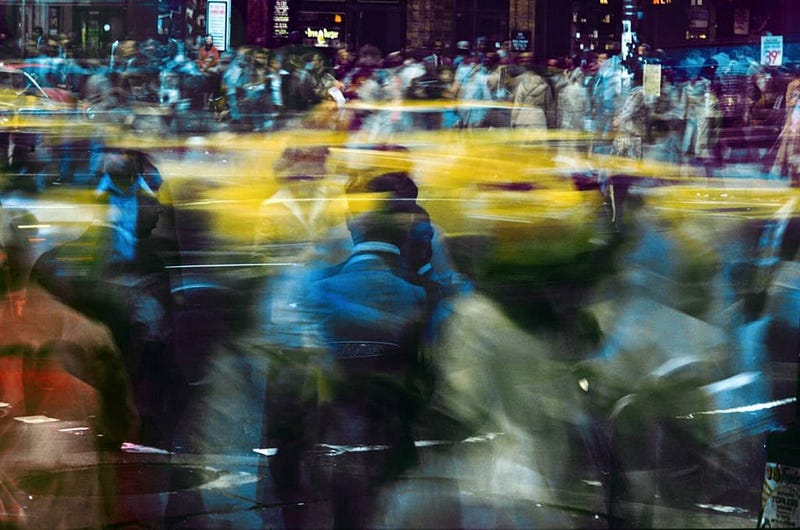
Ernst Haas was a renowned Austrian-American photojournalist and color photographer who was one of the pioneers of color photography in the 20th century. He started using Kodachrome 25 in the 1950s, and it quickly became his film of choice for its rich, saturated colors. Haas’s images captured the beauty and vibrancy of everyday life, and his use of color was groundbreaking in the world of photojournalism. His work has been exhibited in major museums and galleries around the world, including the Museum of Modern Art in New York.
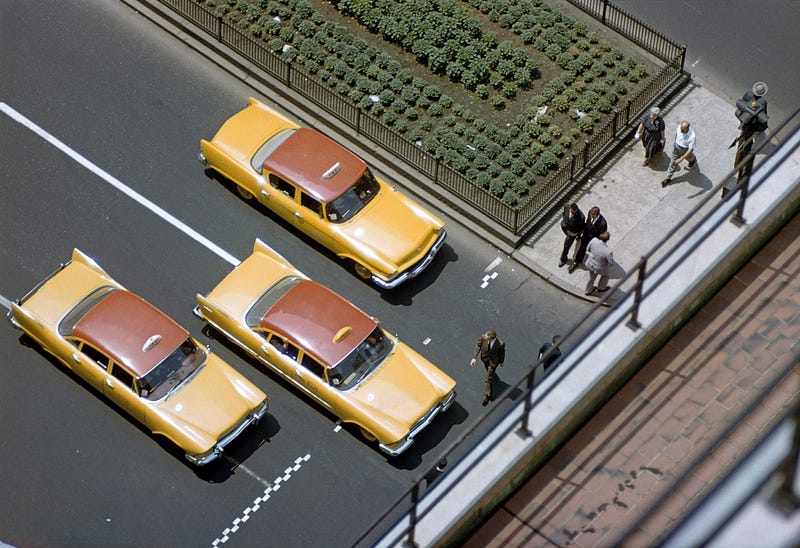
Haas’s use of Kodachrome can be seen in many of his iconic images, including “Times Square, New York City” and “Route 66, USA.” His photographs often feature bold, saturated colors that capture the essence of his subjects, whether they are landscapes, people, or cityscapes. Haas once said about Kodachrome, “It is a wonderful and very beautiful medium. It has one enormous advantage: it is real color” .
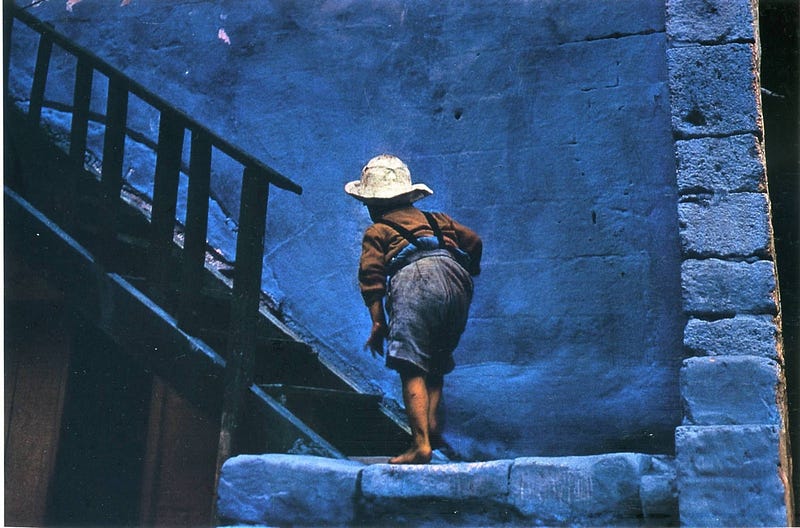
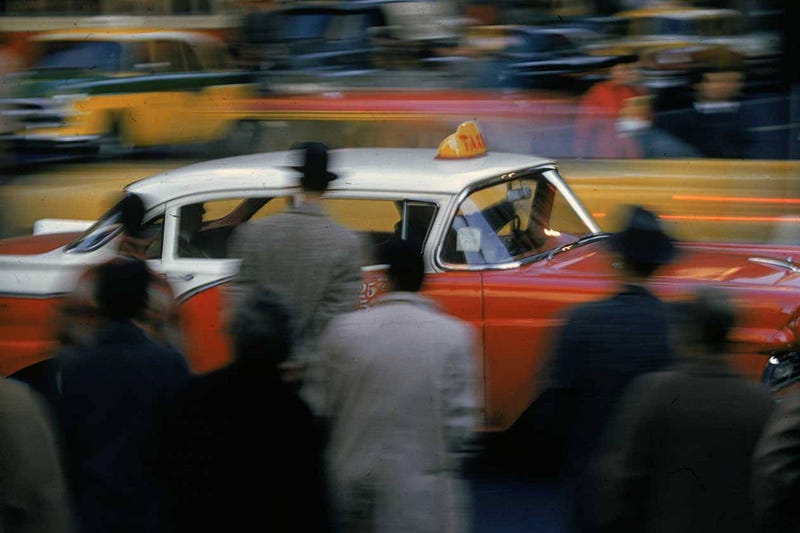
To see some of Haas’s work using Kodachrome, check out this gallery on the Ernst Haas Estate website: https://ernst-haas.com/.
William Eggleston

William Eggleston is an American photographer known for his vivid, sometimes controversial, images of everyday life in the American South. Eggleston was an early adopter of Kodachrome, and he used the film extensively throughout his career. He is considered one of the most influential photographers of the late 20th century and his use of color helped to redefine the role of color photography in fine art.

Eggleston’s use of Kodachrome can be seen in many of his iconic images, including “Untitled (Memphis)” and “Greenwood, Mississippi.” His photographs often feature bold, saturated colors that capture the essence of his subjects, whether they are landscapes, people, or objects. Eggleston once said about Kodachrome, “I was using color in the ’60s when there was a general feeling that color was vulgar. But I was using color because I was interested in color, and in reality there is no colorless or black-and-white world”.
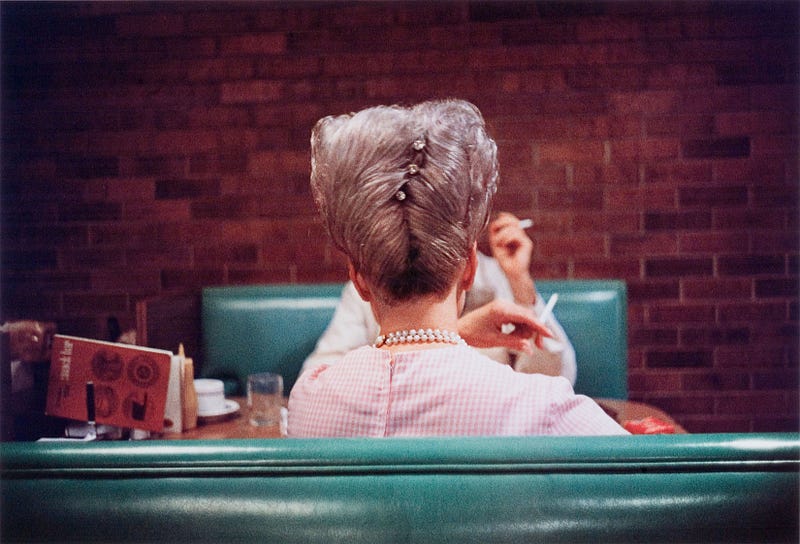

To see some of Eggleston’s work using Kodachrome, check out this gallery on the Eggleston Art Foundation website: https://egglestonartfoundation.org/.
Steve McCurry

Steve McCurry is an American photojournalist who is best known for his images of conflict and culture around the world. He has been a member of Magnum Photos since 1986 and has won numerous awards for his work, including the Robert Capa Gold Medal and the National Press Photographers Association’s Photographer of the Year award. McCurry began using Kodachrome in the 1980s, and it quickly became his film of choice for its rich, vibrant colors.

McCurry’s use of Kodachrome can be seen in many of his iconic images, including “Afghan Girl” and “Camel and Tree, Rajasthan.” His photographs often feature vivid colors that capture the essence of his subjects, whether they are people or landscapes. McCurry once said about Kodachrome, “It had this incredible palette, this incredibly rich color. It had a beautiful luminosity and a beautiful texture”.


To see some of McCurry’s selected works using Kodachrome, check out this gallery on his website: https://www.stevemccurry.com/selectedworks.
Saul Leiter
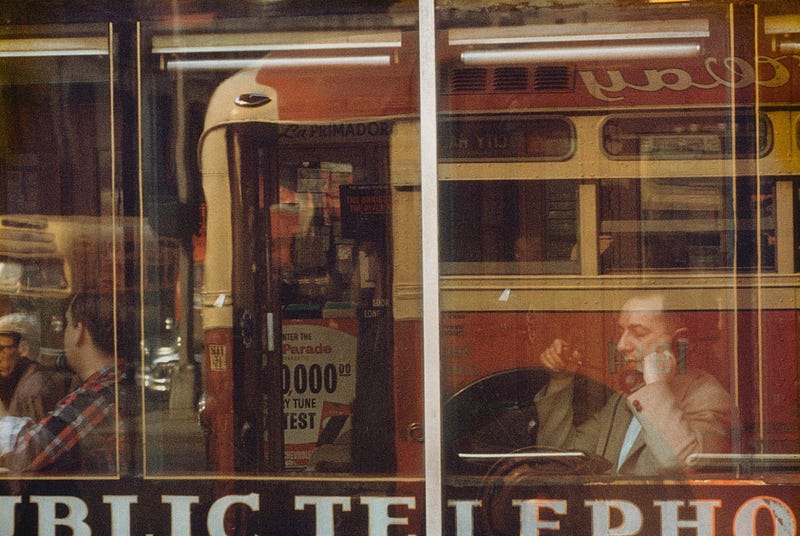
Saul Leiter was an American photographer known for his pioneering work in color photography during the 1940s and 1950s. Leiter used Kodachrome 25 extensively in his early work and is credited with helping to establish color photography as a legitimate art form. His images often captured everyday scenes and objects, transforming them into abstract and poetic compositions.
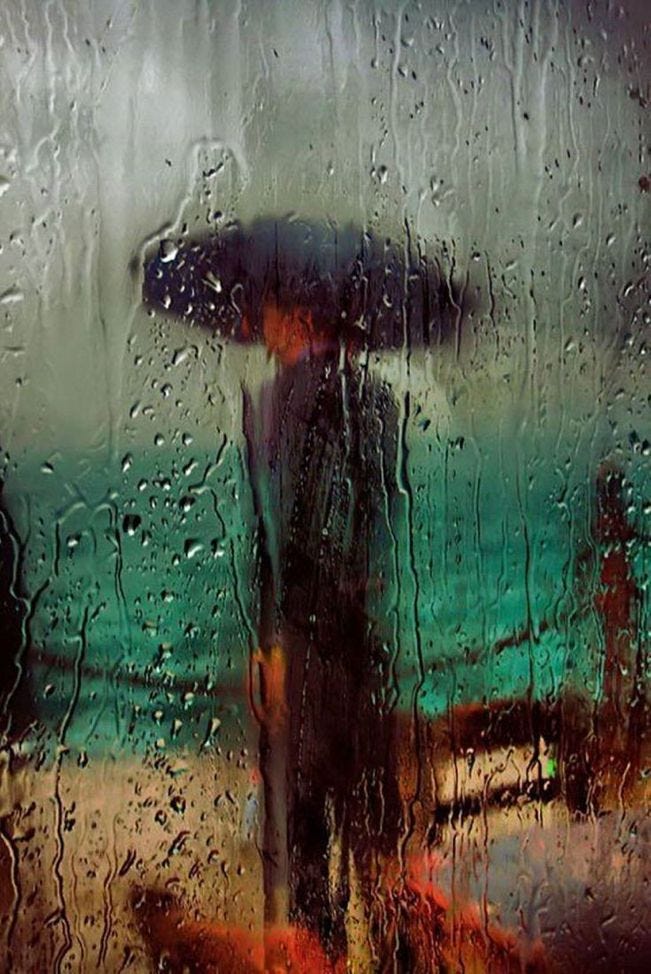
Leiter once said about Kodachrome, “It was a miracle. The color was miraculous. Nobody has ever been able to make anything like it”.
Leiter’s use of color and abstraction has influenced many photographers since, and his legacy continues to inspire contemporary artists today. His most famous works include his street photography series of New York City in the 1940s and 1950s, which can be seen in his book, “Early Color.”
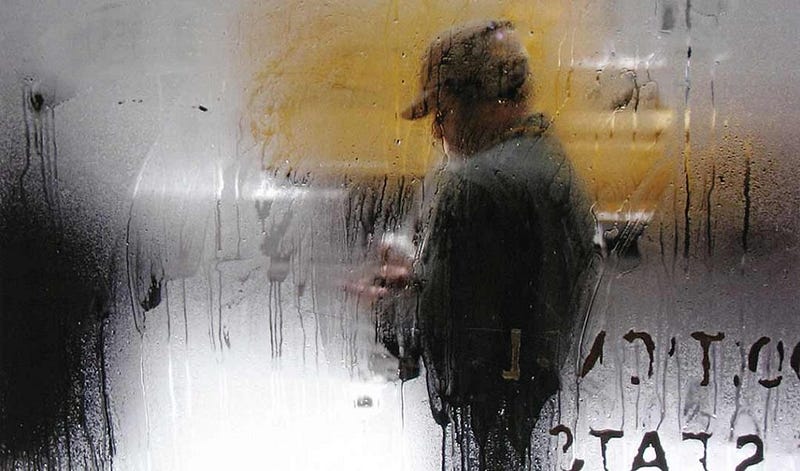
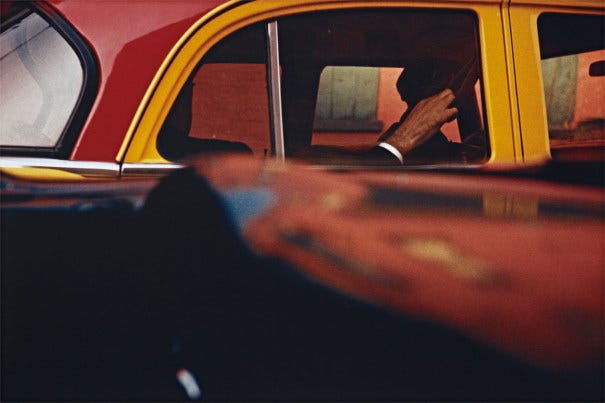
To view examples of Leiter’s stunning work, please visit: https://www.saulleiterfoundation.org/color
Recreating the Look of Kodachrome 25 in Adobe Lightroom: A Step-by-Step Guide to Achieving the Iconic Film’s Vibrant Colors and Sharpness.

Now we come to the fun part…Discovering the magic of Kodachrome, the legendary slide film, and bringing it back to life in your digital photography with Adobe Lightroom.
For those whom may not be aware, my full time job is Data Science and Analytics…not as fun as photography :) That said, this recipe offered me an opportunity both unique and timely to play with data in novel ways. I used/trained GPT4.0 to look at every image online it could find tagged with “Kodachrome 25” and other derivitives of this stock. Then I tasked it to train itself in the use of Lightroom and Lightroom Classic in every available form of media it could parse. Then I asked it to build me a recipe using all it’s learned of both, for 35mm digital camera imagery in general.
“I will show you how with just some simple adjustments in the HSL/Color/B&W, Tone Curve, Split Toning, and Effects panels you can create an emulation of Kodachrome 25.”
First iteration was a total hit…didn’t even ask it to try again.
So follow along with this simplified version of this recipe that you can make your own with tweeks here and there, just as I did for my particular setup. Let’s transform your digital images into stunning masterpieces that capture the essence of this iconic film while still retaining your own creative output too.
I will show you how with just some simple adjustments in the HSL/Color/B&W, Tone Curve, Split Toning, and Effects panels you can create an emulation of Kodachrome 25.
With this nine-step process, you can recreate the warmth, vibrancy, and sharpness that made Kodachrome a favorite among photographers and filmmakers alike. From adjusting the sliders to adding a subtle vignette, every step is laid out for you. So, let’s get going and create your own “Kodachrome 25” preset to give your images that timeless Kodachrome look and feel.
The Recipe:
To create an emulation of Kodachrome 25 in Lightroom Classic, follow these steps:
Step 1: Import your digital photo into Lightroom Classic and select the Develop module.
Step 2: Adjust the White Balance.
Set the Temperature to “Daylight” natural lighting, or 5500K
Set the Tint to +10
Step 3: Start with the Basic panel and adjust the following settings:
Exposure: +0.4
Contrast: +30
Highlights: -30
Shadows: +30
Whites: +15
Blacks: -15
Clarity: +15
Vibrance: +15
Step 4: Move to the Tone Curve panel and adjust the following settings:
Highlights: -15
Lights: -8
Darks: +8
Shadows: +15
Step 5: Next, go to the HSL/Color panel and adjust the following settings for each color:
Hue: Reds +20, Oranges +17, Yellows +15, Greens 0, Blues -15, Purples -15.
Saturation: +15 for reds, oranges, and yellows; +15 for greens, -8 for blues and purples.
Luminance: +8 for reds, oranges, and yellows; -20 for greens, -8 for blues and purples.
Step 6: In the Split Toning panel, adjust the following settings:
Highlights Hue: 50
Highlights Saturation: 25
Shadows Hue: 230
Shadows Saturation: 25
Step 7: Move to the Detail panel and adjust the following settings:
Sharpening: Amount 50, Radius 1.0, Detail 50, Masking 30
Noise Reduction: Luminance 25, Detail 55, Contrast 25
Step 8: Finally, in the Effects panel, adjust the following settings:
Post-Crop Vignetting: Amount -15, Midpoint 25, Roundness -10, Feather 60
Grain: Amount 12, Size 23, Roughness 30
Step 9: Once you’re happy with your settings, go to the Presets panel on the left-hand side of the Develop module and click the plus sign (+) to create a new preset.
Give your new preset a name like “Kodachrome 25” and select the settings you’ve adjusted in Steps 2–8 (Or just “Check all”).
Click Create to save your new preset.
Now that you’ve created your Kodachrome 25 preset, you can apply it to any image you want to emulate the look of this classic film stock. Just click on the preset in the Presets panel and Lightroom will automatically adjust the settings to match the Kodachrome 25 look.
This should get you very close, but remember that as with all such image manipulation, results may need to be fine tuned for your particular monitor, printer and camera combination. Feel free to play around with this preset and get it just right for your setup.
Examples of this Kodachrome 25 Emulation in Practice: Street Photography on Martha’s Vineyard

As a photographer who has spent countless hours capturing street photography on Martha’s Vineyard, I am drawn to the unique qualities of the island that make it such a fascinating subject for my lens. From the vibrant energy of the summer tourism season to the quiet, introspective moments of the off-season, Martha’s Vineyard offers a wealth of visual inspiration.

One of my favorite aspects of photographing on the island is capturing the dynamic contrast of different environments, the people in them, and the islands unique events. Whether it’s the bright colors and bustling activity of the Oak Bluffs Harbor or the tranquil beauty of the Edgartown Lighthouse, I strive to capture the essence of each location through my lens.

I also enjoy photographing events on the island that bring together a diverse mix of people, such as the Martha’s Vineyard Agricultural Fair, The Tisbury Street Festival, everyday island life around the various fishing villages, wharfs, jetties and beeches, as well as events like the annual Oak Bluffs Fireworks display, Illumination Night, Sunset celebrations on Menemsha villages beach and the fall’s world renowned Striped Bass and Bluefish Derby. Through my images, I aim to showcase the unique character of these events and the people who attend them, whether it’s capturing the nostalgia and excitement of a “Flying Horses” carousel ride or the friendly interactions of the throngs lining Kennebec St., waiting for their turn to buy some warm Apple Fritters hot out the ovens at midnight on a Friday evening in OB. You just gotta love “The Rock”…


If you appreciate the beauty and character of Martha’s Vineyard, I invite you to follow my “Todays Catch…” street photography series by checking out my Linktree of professional channels. From there, you can access my portfolio website, Instagram page, and more, all showcasing my passion for both Data Science and Street Photography and the unique subjects, moments and locations that inspire me.
…So come along on this visual journey with me, as I continue to explore the unique and captivating qualities of Martha’s Vineyard and beyond: https://direct.me/clifforderich.
Conclusion: The Legacy of Kodachrome 25 in Digital Photography.

“Kodachrome may have been discontinued over a decade ago, but its legacy lives on in the world of digital photography. While film photography has been making a comeback in recent years, the vast majority of today’s photographers rely on digital cameras and software to capture and edit their images. With the help of tools like Adobe Lightroom, it’s possible to recreate the look of Kodachrome in the digital realm and pay homage to this iconic film stock.

While it’s unlikely that Kodak will bring back Kodachrome in its original constitution, it’s still nice to imagine what could be. If the company is listening, perhaps they could create an updated version of the film that retains its unique color palette and sharpness, but with modern improvements to make it even better than before.
In the end, the legacy of Kodachrome is a testament to the power of great photography and the impact it can have on the world. Whether you’re shooting on film or digital, it’s important to remember the history and artistry that came before us and use it as inspiration to create something truly special.

*A Cliff Note:
If you appreciate the value I provide with this content, please consider subscribing to my content page here on Medium, sharing it with others, and if you found the article useful or entertaining, then I kindly invite you to contribute to supporting my efforts directly by becoming a member, purchasing the equivalent of a cup of coffee or even making a small, direct donation. Your generous gesture serves as a powerful indicator of the impact my work here may have on your experience, encouraging me to find, or create the time needed to continue delivering even more insightful and entertaining material. Together, let’s fuel the momentum of this positive exchange and foster an environment where our shared journey towards knowledge and enjoyment thrives.