
Reviewers On Rotten Tomatoes Rate “Juno & The Paycock” As 27%. They got it wrong by 63%
I’m currently going through as many of Hitchcock’s films as I can to learn the tricks of the trade from a seasoned pro. Juno & The Paycock is a 1930 British comedy/drama film directed by Alfred Hitchcock (his second talkie) set just after the outbreak of the Irish Civil War, and revolves around the misfortunes of the dysfunctional Boyle family.
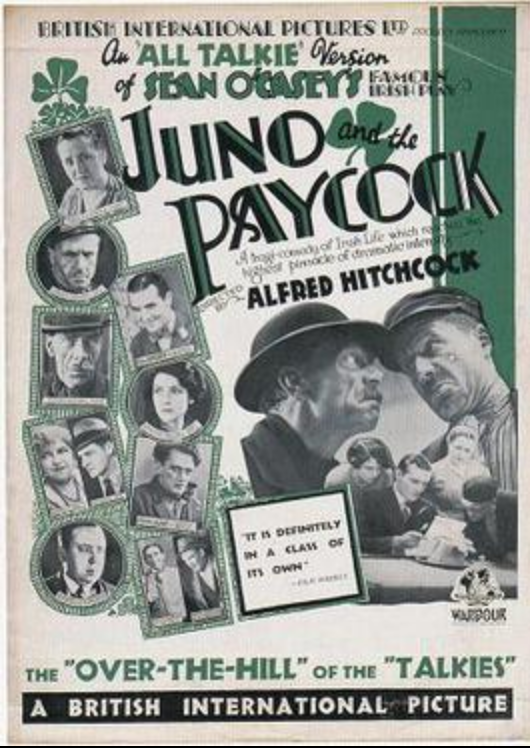
Let’s just jump to it and address the overly-provocative title of this article. It seems as though all of these reviewers went into this film with an expectation of it being a Hitchcock thriller. Here’s a rather silly summation of the film by Variety Staff (specific reviewer not cited, although Rotten T thinks it’s still enough to value as a top review):
Three-quarters of the film is just photographed stage play — excellently photographed, but slow in action.
Being based on a play, yes, there’s a lot of dialogue, it’s to be expected and actually embraced. They seem to believe that this piece of work should remain only as a play and should have never been made into a film. Bloody hell are they wrong. Let me share my experience.
The first half of the film is hilarious. The dialogue is sharp, funny and direct and funny. Funny is said twice because it’s hilarious. You have the meanderings of a proud irishman justifying his cowardice and laziness, set amongst the Irish Civil War. Plus, you have the traits of all of his friends as they all use each other for their own gains, many times being thrown out of the apartment only to be welcomed back in as old friends. It’s charming, hilarious and heartwarming to see these lower class Irish trying to act civilised, but really desiring the warmth of the Irish song and camaraderie.
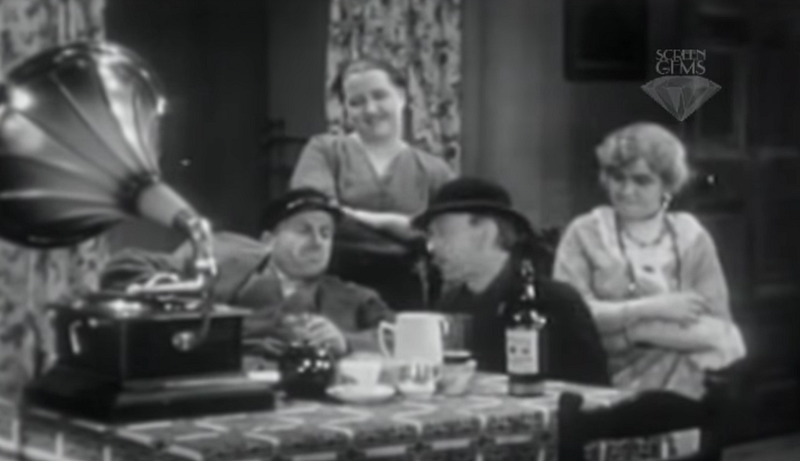
The second half tears all this to shreds, and does so brutally and honestly. We’re tricked into loving these characters, and want to yell at the screen when their flaws draw them to ruin. The film celebrates family and friends, and uses their hilarious grumblings to show us a deeper insight into the ruins of pride and hypocrisy. This film cannot be boring if you allow yourself to love these characters.
Sure, these reviewers might have not engaged with the content, but I certainly did. And I realised it was entirely because it was using great cinematic techniques all throughout. Here’s some of them I saw:
Setup & then later payoff
Jonathan Rosenbaum sums up his experience of this film as such:
A fairly deadly case of canned theater that’s pretty close to what Hitchcock many years later would refer to as ‘photographs of people talking.’
So where Jonathan Rosenbaum is wrong, I believe, is in this reference of Hitchcocks’ disdain towards modern talkies. I think Jonathan wanted to see a silent thriller that visually pieces the drama and fear together to tell a story, and instead he got a masterpiece that verbally pieces together the drama.
When Hitchcock is talking about shitty films that just feature people talking, he’s not talking about films that have dialogue. He’s talking about films that do the work that the audience should be doing, films that tell you what’s going on instead of letting the audience piece it together. Of course great films have dialogue, they just shouldn’t use that dialogue to explain plot.
Dialogue should be used to setup mysteries, misdirect expectations, and then reveal, which this film does marvellously.
We think we understand our main character Captain Boyle (Edward Chapman) as being a man who will do anything for a drink. Then we find out that he’ll happily share a drink if someone will listen to his proud ramblings. So we assume that’s what he wants, he’s a drunk wanting a drink. And then we meet a woman who will offer him a drink and a listening ear, but he avoids. So now what does he want? Who is this man? and why not interact with the woman? Why is she his limits? These are the questions the audience needs to be asking in great drama. Setup expectations, then fuck them right off the other direction.
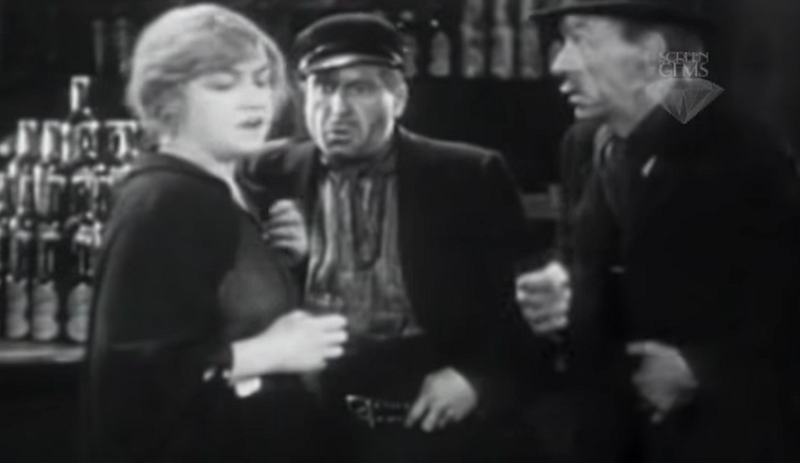
It turns out in this film, the mysterious relation to the woman has a simple answer, which is payed off over 40 minutes later when we meet her again. We find that she is just as bad as him at self-focused ramblings, something he can’t stand. In this film, we’re given the full first half of the film to piece together his character.
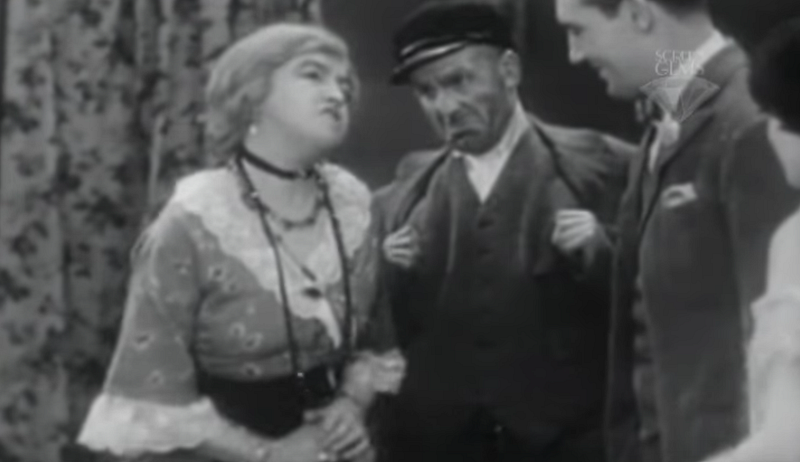
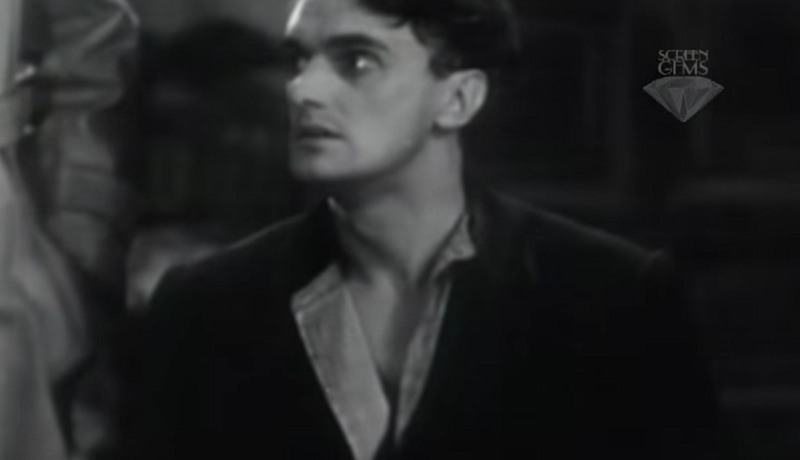
Another great setup and later payoff is in a young man who wanders out from the back room in the middle of a scene in his apartment. He goes on to not say a thing as is barely acknowledged for 10 minutes, all the while looking traumatised! Who is this guy?! Why is nobody acknowledging him?! We later discover he’s the son who’s lost an arm during the war and is suffering from a form of PTSD.
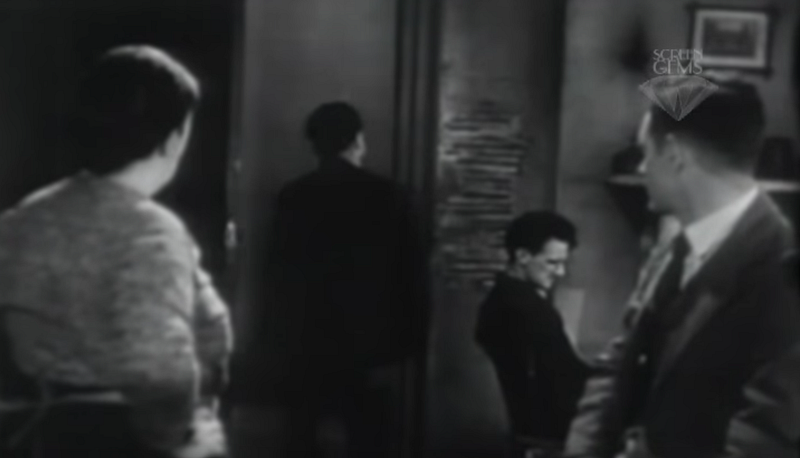
Not only does the son serve as a great “wannabe” character for our proud Captain, who talks as if he’s a hero, but really isn’t one. But we also see what true heroes look like. They aren’t the bragging, self expressed philosophical beings that the Captain portrays himself as. Quite often they’re broken shells of people, now cowards, who have had to experience things well outside of what normal people have experience to thus gain their hero status.
As a side note, I’ve not seen the “wannabe” character discarded as ‘unrealistic’ from the outset before. Usually if they are shown as unrealistic, it’s done later in the film to use as a tool for the main’s character change. To do it so early is genius, highlighting the foolery and unattainability of our main’s ‘want’ straight from the outset.
Use characters potentially being taken further from their “want” as tension
This seems so so simple, it can’t be this simple, right? But if I care about the character, and you give them a want, then if you place them in a situation where they might get further away from that want, then I feel tense.
In Juno & The Paycock all it takes is the funny-rambling Captain (care), to want to be seen as a hero (want), cooking a sausage when his wife is in the next room after declaring fasting until he finds a job (a situation where they might get further away from that want).
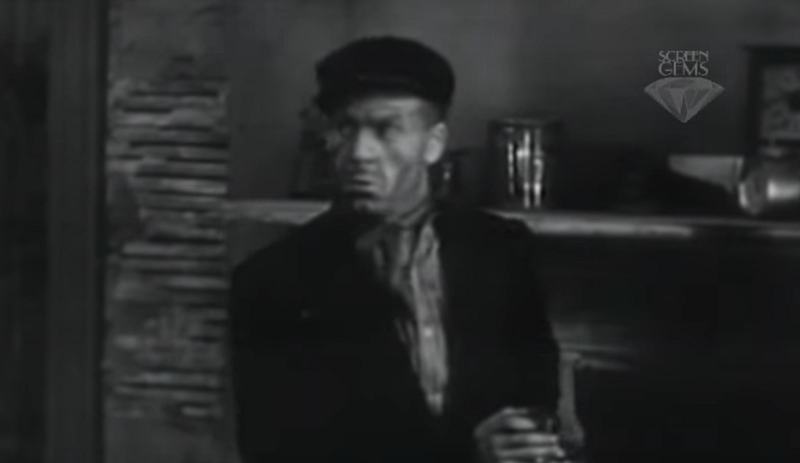
So why doesn’t this work in every film? Say a spy thriller who is afraid of getting caught from the guards? why is that situation not tense?
Because the spy is operating in his/her “goal” (plot. eg: get the object), rather than his/her “want” (deep emotional desire of a character’s overall actions).
What if it was say a new, flustered mother (care), to want to be seen as a great mother (want), who is trying to calm her baby quickly whilst in a public place (a situation where they might get further away from that want). I think this situation would make me feel tension for that character.
As I watch more Hitchcock, I reckon this is how he rocks the tension.

Use props, dialogue, locations, EVERYTHING multiple times to make the object and thus film deeper
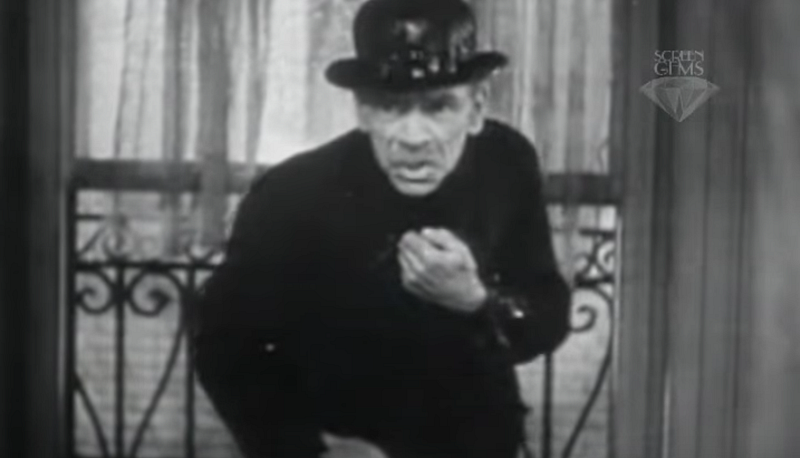
Juno & The Paycock uses dialogue multiple times to add different layers.
Like this:
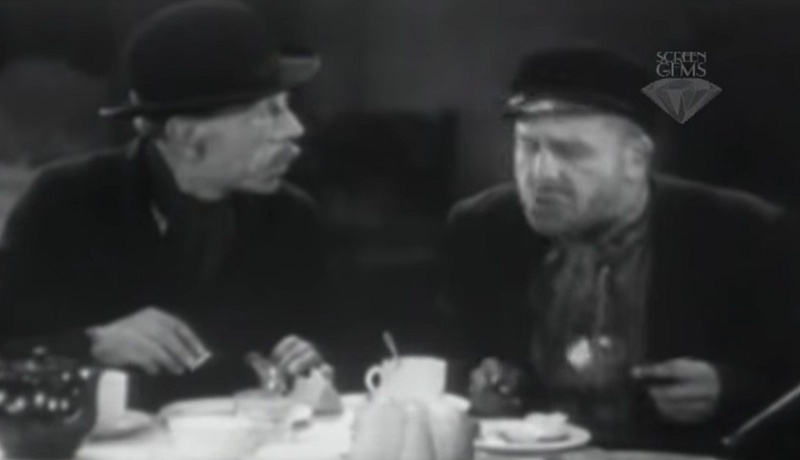
Then this:
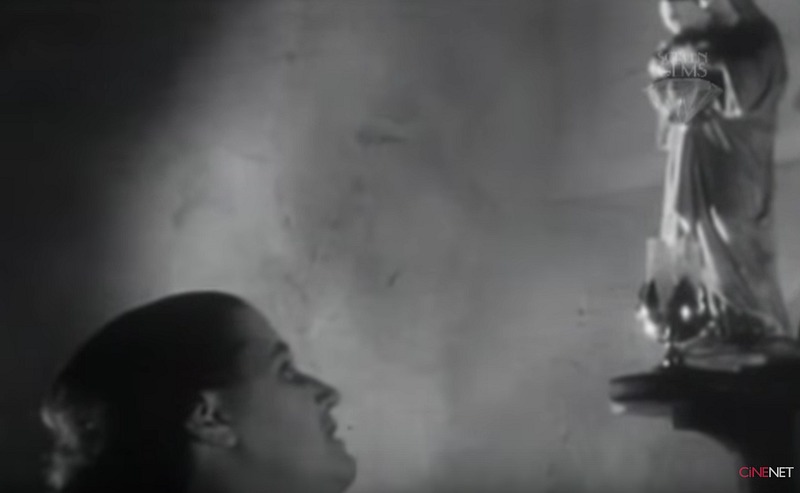
We also hear about a religious statue frightening the son early on, and then see him staring at it later. By holding off on us seeing it, the statue has greater weight.
We also see the mother cry out to it later.
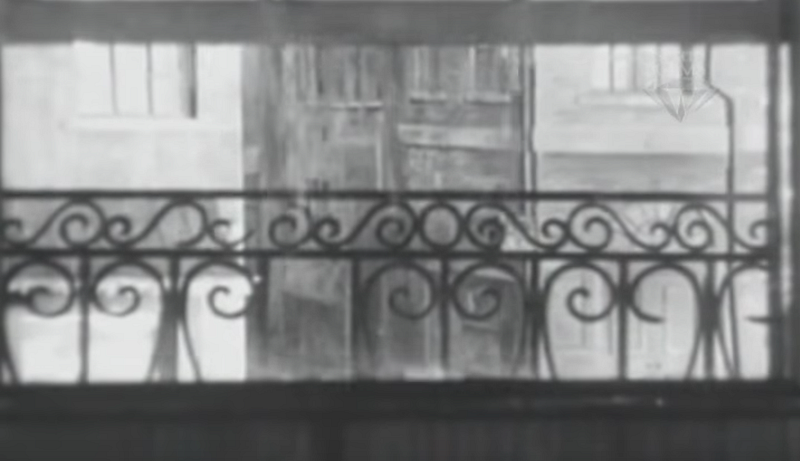
There’s also shots of a window with gunshots heard outside, that’s returned to few times, each with new meaning form the previous scenes.
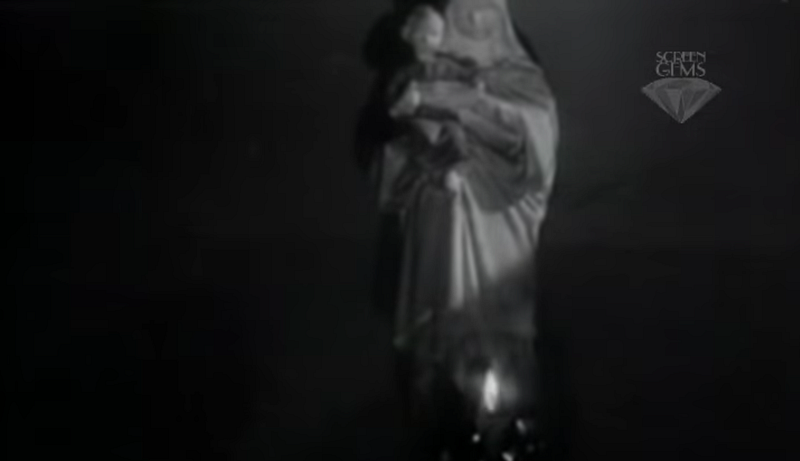
Then the son’s death comes back at the statue, now with the sound of the window gunshots.
How fucken deep is that?! Only cinema can do this. This is much more than a stage-play.
Casually hint at future drama with visuals.
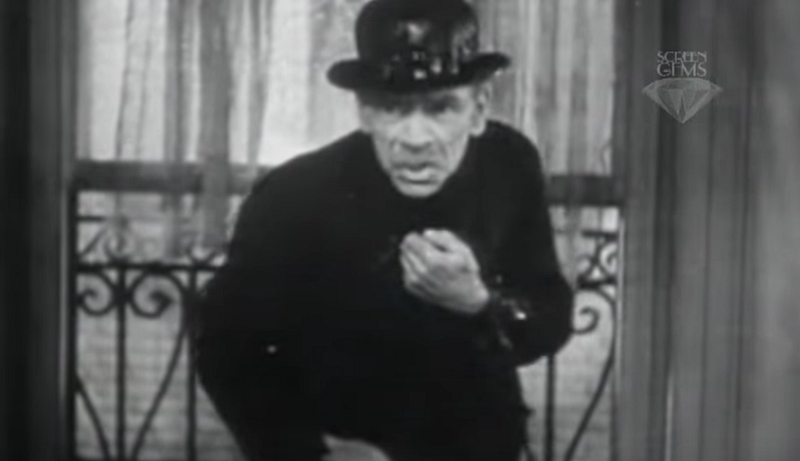
Joxer has been hiding outside on the balcony for like 10 minutes of a scene and we’ve nearly forgotten about him. As The Captain wanders over to the window conversing, we now see it’s raining heavily. It’s incredibly funny because it’s not shown in closeup (which would make the gag over-done), and instead just hints at it with the water in the background.
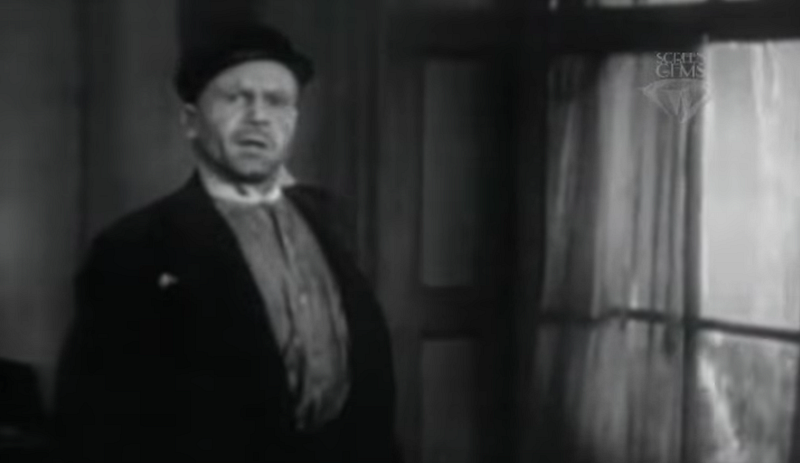
It means that the audience’s mind is working and they’re in on a secret and the laughter would be loud in the cinema, the audience members declaring their superior intelligence on figuring out the future drama.
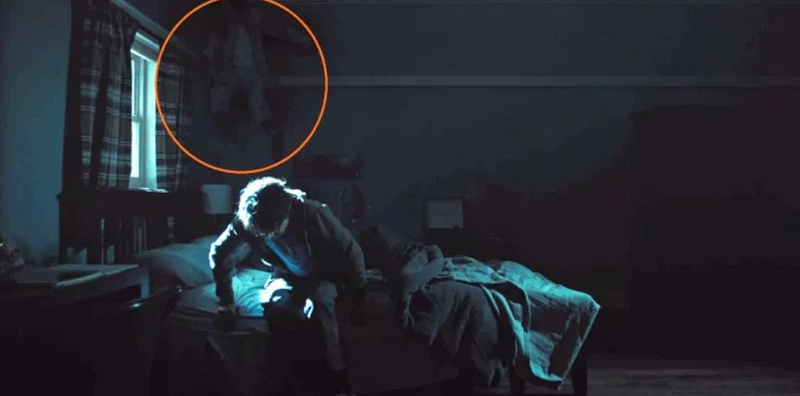
It makes me think of that epic shot in Hereditary where Toni Colette is hiding in the roof in the darkened wide shot. Works in comedy and horror, and I’m sure many other genre’s.
Tease us with genre, and then fuck it right off
We see a man get shot in the street, and a bunch of people hide in a bar. The bartender uses this opportunity to excitedly prepare some drinks.
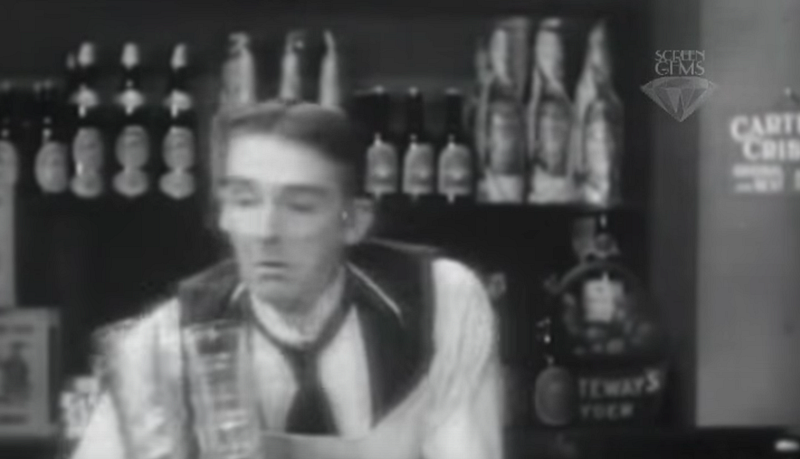
This is very dark, but very funny. This is where the comedy starts, and we stay as a comedy for at least half the film. By this point, we’ve forgotten that the first thing we see is a man being gunned down in the streets for his beliefs.
But then, we see a greiving mother weeping for her fallen son. It’s painful and treated with no comedy.
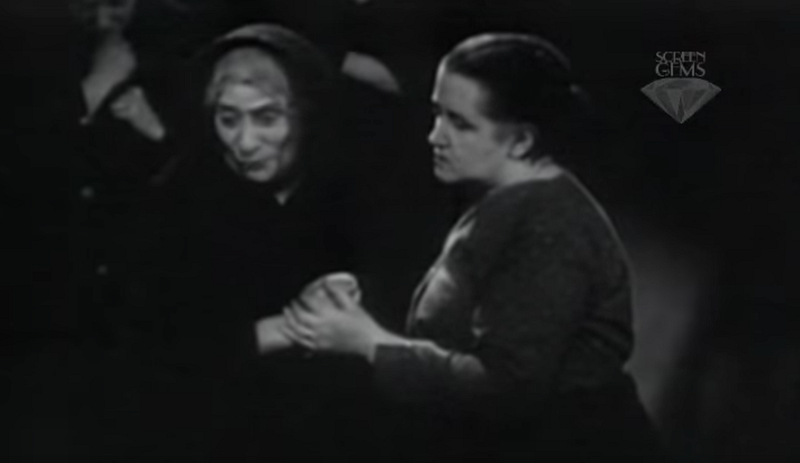
This film isn’t just satire, it’s deeper than we think.
If plot has to be spoken, speak it big and rare
So is this as Hitchcock hates so dear, a ‘picture of people talking at each other’?
Maybe. But I realised that for most of the film, the characters actions reveal the drama and the majority of the plot. Most of the dialogue is just for comedy. When there is a plot point made, it’s incredibly specifically shown, all in extreme close up.
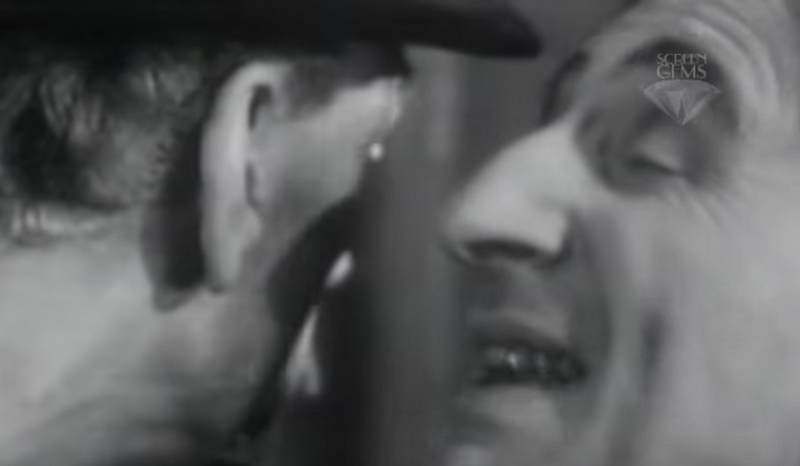
Because this film speaks it’s plot so rarely, we get away with this. But it should only be done once, or at least very few times. I like that it’s done in ECU too, it’s like Hitchcock isn’t letting him try to trick it in the dialogue to the audience.
Even when we’re told that the daughter is pregnant out of marriage and the man has run away, it’s only just hinted at.
First we see The Mother start to say it:
Father: “It’s not consumption is it?”
Mother: “No, it’s worse.”
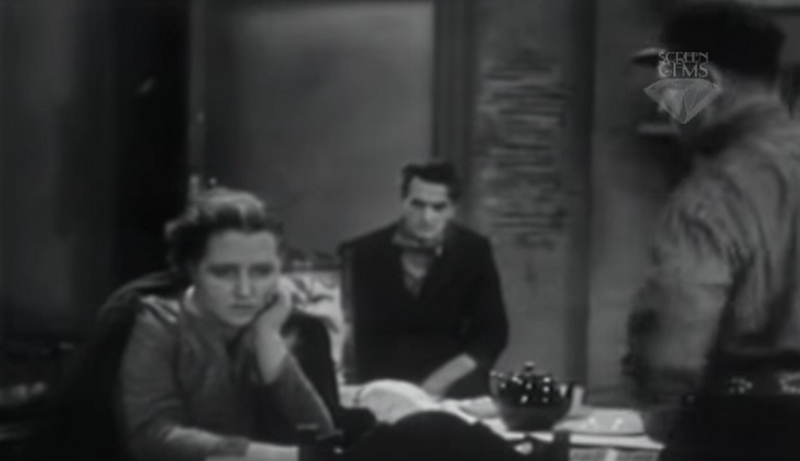
Then we just see this terrible look of shame from Mary, who’s outside:
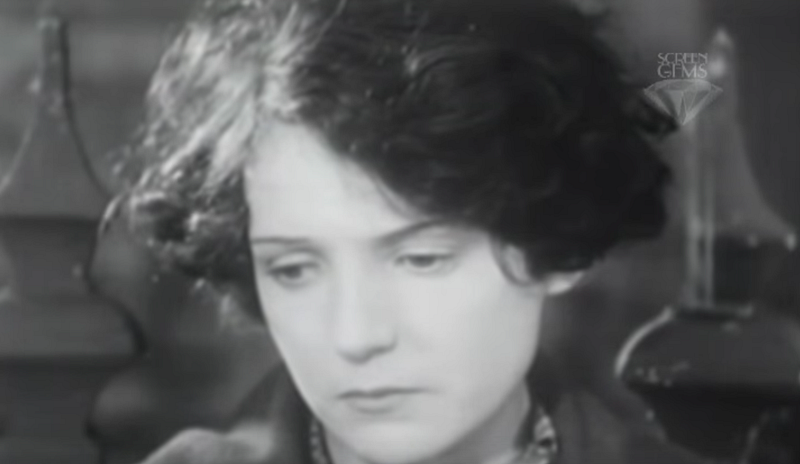
We know Mary’s been hanging out with her boyfriend a lot. We’ve learnt he’s actually dodgy (the upper-class taking advantage of the lower class again, one of the themes of the film), so we put 2 and 2 together.
We’re actually not confirmed until much later in the film. Once again, the smart audience members are in on the secret.
Nail the ending
We end the film with the Mother crying to the religious statue as she feels god’s judgement.
Then to God again, but this time as if it’s an audience.
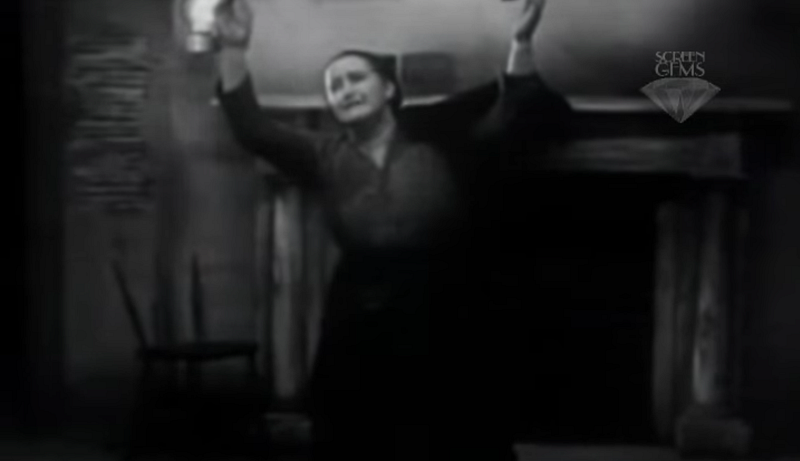
Then the camera pulls back to reveal the empty apartment. It pulls back so far that it shows too much space and it’s nearly a stage. We nearly break the fourth wall in this way, revealing that it’s a play.
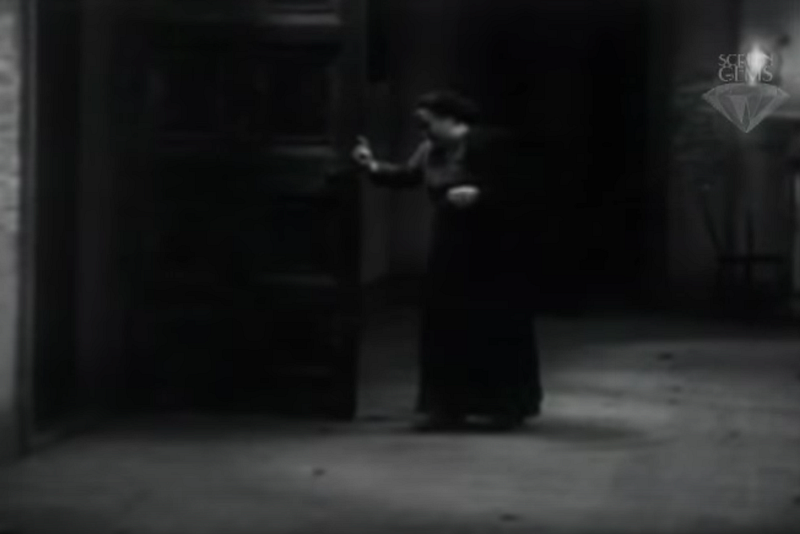
And thus, we are invited to judge the characters as god would judge them.
Fuckn brilliant.