
Revelations through overcoming Darkness — Part 1
Prologue
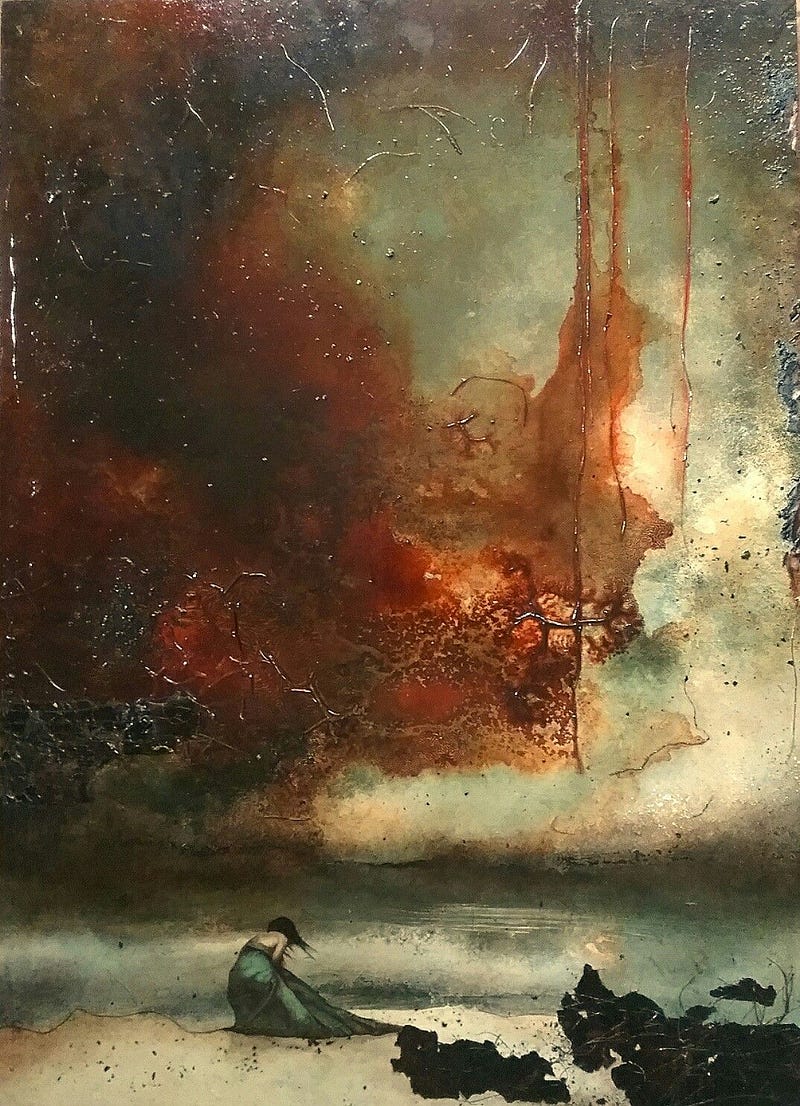
Life is sometimes a random usher of dispel and sadness. Such events bring sorrow and a daunting presence that haunts one’s soul. It imprisons one’s free will, and causes one to lose faith, and even control over their choices; that seems to be the latter of what darkness is. But darkness reveals a lot many truths that can truly dismantle a society because darkness remains free and unfiltered as it amasses everything that a society disregards, abuses and throws away.
Indeed, darkness takes it all in and it creates a fear; a fear of the unknown But sometimes we can look over towards, what lies beneath the darkness to know the absolute truth about ourselves & everything around us.
Becoming invisible to everyone, around you and masking your presence is another one of the gifts; Deception that it can bestow upon you. Evil lurks inside darkness, although darkness isn’t inherently evil. Darkness is just like light, but light can be classified as an Extrovert, & Darkness can be classified as an Introvert. Evil, is another truth that lies inside the darkness, but it’s not the prominent one. As Darkness swallows everything inside… it’s like a black hole there are so many mysteries yet to be solved that lay dormant inside it.
Certain truths can’t be explained, not everyone dares to venture into the unknown, and come back unscathed, I believe most of us have questions, a some of us dare to seek answers, but only a few and a minute number of individuals actually receive and are bestowed with the realizations of the actual truths; truths that carry a lot of consequences. Truths that take away everything we hold dear, our peace of mind, our soul. An understatement made as it doesn’t necessarily take away our soul, yet it unlocks the many things we are unaware off that ever existed there in the first place. Therefore, maybe it takes away or removes the veils that keep things hidden from us, they are hidden for a reason. We can’t accept most truths, they will damage us in ways we can never predict. Even if we predict them, surviving them is an ordeal that in most cases will be the end of us all.
Overcoming such a struggle that can inevitably cause us to lose sight of who we are, is another way of darkness taking away what makes us, us! Doesn’t it make you wonder, how empty we feel when we’re surrounded by darkness, yet if we change our minds, and remove the fear and accept what’s there… it does become peaceful but at what cost, that should be the ultimate question!


