avatarCaleb

Free AI web copilot to create summaries, insights and extended knowledge, download it at here

3219

Abstract

al framework.</p><p id="7b92">Despite these concerns, informed sources claim that the French National Police actively use Briefcam’s facial recognition, unregulated and without judicial oversight.</p><p id="e435">Briefcam’s reach extends beyond the national police, equipping municipal police in over a hundred French cities.</p><p id="28b8">Moreover, it scrutinizes visitors at Puy du Fou theme park and, soon, the French National Assembly.</p><h1 id="33b8">A Slippery Slope for Europe</h1><p id="4edd">The situation unfolding in France isn’t just a national concern; it sets a precarious precedent for Europe.</p><p id="f1b9">If this situation is passively accepted by the population and institutions, it might embolden other European countries to follow suit.</p><p id="d21a">This trend could mark the beginning of a slippery slope, where the balance between security and personal freedoms is increasingly tilted towards invasive surveillance, potentially eroding the very fabric of democracy.</p><p id="6458">The acceptance of such technologies without proper legal frameworks and public discourse could lead to a future where privacy is a relic and surveillance is the norm, challenging the principles of freedom and individual rights that are cornerstones of democratic societies.</p><p id="d64c">It’s imperative for citizens and policymakers alike to critically evaluate and debate the implications of such technologies, ensuring that the pursuit of security doesn’t come at the cost of fundamental democratic values.</p><h1 id="a4c7">Conclusion</h1><p id="09e3">The clandestine use of Briefcam by the French National Police, particularly its facial recognition feature, raises significant ethical and legal questions.</p><p id="a6e9">With licenses set to expire by the end of 2023, the decision to continue using such a powerful yet controversial tool will be a testament to the balance between security needs and privacy rights in France.</p><p id="b493">The story not only highlights the ever-increasing capabilities of surveillance technology but also the essential need for robust legal frameworks and transparent governance in its application.</p><h1 id="0612">About Disclose</h1><p id="bbc1">Disclose is a pioneering investigative journalism platform based in France. Known for its dedication to in-depth reporting and exposure of injustices and social issues, Disclose operates with a mission to uncover truths often hidden from the public eye.</p><p id="f3b6">Founded by a team of experienced journalists, the platform stands out for its commitment to rigorous investigative methods and its reliance on factual, evidence-based reporting.</p><p id="1c37">Their approach to journalism is comprehensive and meticulous, often involving the analysis of confidential documents, data, and in-depth interviews with key sources.</p><p id="6f05">Disclose’s work has brought to light various significant stories, focusing on topics ranging from corporate malfeasance and environmental issues to human rights abuses and governmental misconduct.</p><p id="1307">To read the article about Briefcam:</p><div id="939c" class="link-block"> <a href="https://disclose.ngo/fr/article/la-police-nationale-utilise-il

Options

legalement-un-logiciel-israelien-de-reconnaissance-faciale"> <div> <div> <h2>La police nationale utilise illégalement un logiciel israélien de reconnaissance faciale</h2> <div><h3>En 2015, les forces de l'ordre ont acquis, en secret, un logiciel d'analyse d'images de vidéosurveillance de la société…</h3></div> <div><p>disclose.ngo</p></div> </div> <div> <div style="background-image: url(https://miro.readmedium.com/v2/resize:fit:320/0*raUXSKVi8DdM0lyo)"></div> </div> </div> </a> </div><div id="49a6" class="link-block"> <a href="https://medium.com/@calebpr/subscribe"> <div> <div> <h2>Get an email whenever Caleb publishes.</h2> <div><h3>Get an email whenever Caleb publishes. By signing up, you will create a Medium account if you don’t already have one…</h3></div> <div><p>medium.com</p></div> </div> <div> <div style="background-image: url(https://miro.readmedium.com/v2/resize:fit:320/0*LAO3U0VG-zuctneT)"></div> </div> </div> </a> </div><p id="91bd"><i>Enjoyed the read? For more on Web Development, JavaScript, Next.js, Cybersecurity, and Blockchain, check out my other articles here:</i></p><div id="7e3a" class="link-block"> <a href="https://readmedium.com/a-roadmap-to-my-medium-writings-fd04e14cffd7"> <div> <div> <h2>A Roadmap to My Medium Writings</h2> <div><h3>undefined</h3></div> <div><p>undefined</p></div> </div> <div> <div style="background-image: url(https://miro.readmedium.com/v2/resize:fit:320/1*AlnhijwuyBibB3GNPODX5Q.png)"></div> </div> </div> </a> </div><p id="8496"><i>If you have questions or feedback, don’t hesitate to reach out at [email protected] or in the comments section.</i></p><p id="c73a"><i>[Disclosure: Every article I pen is a fusion of my ideas and the supportive capabilities of artificial intelligence. While AI assists in refining and elaborating, the core thoughts and concepts stem from my perspective and knowledge. <a href="https://readmedium.com/how-does-ai-help-me-write-my-articles-5df265d16527">To know more about my creative process, read this article.</a>]</i></p><div id="a005" class="link-block"> <a href="https://readmedium.com/how-does-ai-help-me-write-my-articles-5df265d16527"> <div> <div> <h2>How Does AI Help Me Write My Articles?</h2> <div><h3>The Medium landscape has seen a transformation, with an increasing number of articles appearing to have the distinct…</h3></div> <div><p>medium.com</p></div> </div> <div> <div style="background-image: url(https://miro.readmedium.com/v2/resize:fit:320/1*sURudlO3SS5ntthELFumcg.jpeg)"></div> </div> </div> </a> </div></article></body>

Revelations on the French National Police’s Covert Use of Israeli Face Recognition Software

The French National Police have been clandestinely utilizing an Israeli facial recognition software called Briefcam since 2015
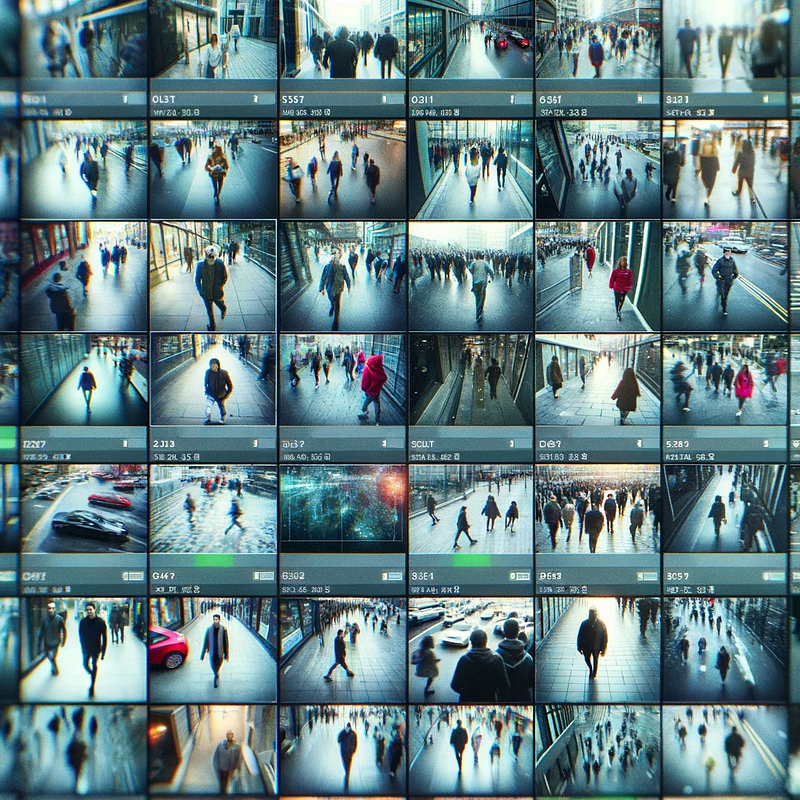
In a startling revelation, the French National Police have been clandestinely utilizing an Israeli facial recognition software called Briefcam since 2015, a report from Disclose (a pioneering investigative journalism platform based in France) unveils.

This deployment, shrouded in secrecy, raises critical questions about privacy and legal boundaries.

The Secret Acquisition and Usage

The software, acquired secretly in 2015, is a brainchild of the Israeli company Briefcam.

It’s not just a typical surveillance tool; it’s equipped with advanced video analysis capabilities, thanks to artificial intelligence.

This technology can scrutinize footage from cameras and drones, detecting ‘abnormal’ activities.

The Legal Twist

The French law, as of May last year, permitted the use of such advanced surveillance only in rare cases.

However, ahead of the Paris Olympic and Paralympic Games, the government pushed a law allowing the national police to experiment with this technology broadly until March 2025.

Despite the legal green light, the law explicitly forbade facial recognition, a feature Briefcam conveniently offers with just a few clicks.

Deployed Nationwide

Internal documents obtained by Disclose show the widespread use of Briefcam by the French police.

The software, known as “Video Synopsis,” can track individuals or vehicles across a camera network.

Since its inception in Seine-et-Marne’s departmental directorate of public security, the software has expanded to various police services, including the inter-ministerial technical assistance service (SIAT) and national gendarmerie.

Legal and Ethical Oversights

The extensive installation of Briefcam occurred outside the legal framework mandated by the European directive and French law.

The General Directorate of the National Police, under the direct authority of Gérald Darmanin (Minister of the Interior in France), failed to conduct a mandatory data protection impact analysis or notify the National Commission on Informatics and Liberty (CNIL).

Facial Recognition: A Simple Click Away

Briefcam’s facial recognition capability, which can “detect, track, extract, classify, and catalog” individuals based on facial features, is a key concern.

The ease of enabling this feature has been emphasized by the police’s technology service.

Internal Concerns and Wider Use

Even within the institution, there’s unease about using facial recognition without a strict legal framework.

Despite these concerns, informed sources claim that the French National Police actively use Briefcam’s facial recognition, unregulated and without judicial oversight.

Briefcam’s reach extends beyond the national police, equipping municipal police in over a hundred French cities.

Moreover, it scrutinizes visitors at Puy du Fou theme park and, soon, the French National Assembly.

A Slippery Slope for Europe

The situation unfolding in France isn’t just a national concern; it sets a precarious precedent for Europe.

If this situation is passively accepted by the population and institutions, it might embolden other European countries to follow suit.

This trend could mark the beginning of a slippery slope, where the balance between security and personal freedoms is increasingly tilted towards invasive surveillance, potentially eroding the very fabric of democracy.

The acceptance of such technologies without proper legal frameworks and public discourse could lead to a future where privacy is a relic and surveillance is the norm, challenging the principles of freedom and individual rights that are cornerstones of democratic societies.

It’s imperative for citizens and policymakers alike to critically evaluate and debate the implications of such technologies, ensuring that the pursuit of security doesn’t come at the cost of fundamental democratic values.

Conclusion

The clandestine use of Briefcam by the French National Police, particularly its facial recognition feature, raises significant ethical and legal questions.

With licenses set to expire by the end of 2023, the decision to continue using such a powerful yet controversial tool will be a testament to the balance between security needs and privacy rights in France.

The story not only highlights the ever-increasing capabilities of surveillance technology but also the essential need for robust legal frameworks and transparent governance in its application.

About Disclose

Disclose is a pioneering investigative journalism platform based in France. Known for its dedication to in-depth reporting and exposure of injustices and social issues, Disclose operates with a mission to uncover truths often hidden from the public eye.

Founded by a team of experienced journalists, the platform stands out for its commitment to rigorous investigative methods and its reliance on factual, evidence-based reporting.

Their approach to journalism is comprehensive and meticulous, often involving the analysis of confidential documents, data, and in-depth interviews with key sources.

Disclose’s work has brought to light various significant stories, focusing on topics ranging from corporate malfeasance and environmental issues to human rights abuses and governmental misconduct.

To read the article about Briefcam:

Enjoyed the read? For more on Web Development, JavaScript, Next.js, Cybersecurity, and Blockchain, check out my other articles here:

If you have questions or feedback, don’t hesitate to reach out at [email protected] or in the comments section.

[Disclosure: Every article I pen is a fusion of my ideas and the supportive capabilities of artificial intelligence. While AI assists in refining and elaborating, the core thoughts and concepts stem from my perspective and knowledge. To know more about my creative process, read this article.]

Artificial Intelligence
Programming
Cybersecurity
Technology
Startup
Recommended from ReadMedium