avatarSam David Parker🌸

Free AI web copilot to create summaries, insights and extended knowledge, download it at here

2282

Abstract

or cocaine. Unable to control behavior, the survival of the addicted person is threatened.</p><p id="6e29">Many medical professionals believe that your brain’s dopamine production will return to pre-substance misuse levels after 90 days of abstinence from intoxicants. They feel the brain is resilient and repairs itself through neuroplasticity, which is why many brain injury survivors can make astounding recoveries. Neuroplasticity allows it to modify, grow, and reorganize itself after addiction.</p><p id="d35f">The portion of the brain that triggers addiction is the mesolimbic dopamine pathway, the brain’s reward circuit. Well-established scientific proof shows that disruptions in three brain areas are significant in onsetting, developing, and maintaining substance use disorders:</p><p id="04d4"><i>the basal ganglia,</i></p><p id="40d5"><i>the extended amygdala,</i></p><p id="223d"><i>and the prefrontal cortex.</i></p><p id="978d">Think of these areas as the Three Wise Men who become Winkin’, Blinkin’, and Nod under the influence of intoxicants.</p><figure id="4996"><img src="https://cdn-images-1.readmedium.com/v2/resize:fit:800/1*osQtKDYB2LsR9lgIsLxT_Q.jpeg"><figcaption>Image by <a href="https://pixabay.com/users/ekkant-33254754/?utm_source=link-attribution&amp;utm_medium=referral&amp;utm_campaign=image&amp;utm_content=8219441">Ekaterine Kantaria</a> from <a href="https://pixabay.com//?utm_source=link-attribution&amp;utm_medium=referral&amp;utm_campaign=image&amp;utm_content=8219441">Pixabay</a></figcaption></figure><p id="9d68">Every pill, potion, spray, or squirt of a drug has slightly different effects on the brain. Still, all addictive drugs, including alcohol, opioids, and cocaine, produce a pleasurable surge of dopamine.</p><p id="f2b3">With an incredible ability to adapt and repair, our brain can take a licking but keep on ticking, even after prolonged drug use and dependency. The brain maintains its brain cells and neural pathways throughout life and its ability to adapt and change. As a result, many brain changes or neurological difficulties resulting from drug use are reversed when abstinence from drugs happens.</p><div id="0bbc" class="link-block"> <a href="https://readmedium.com/ibogaine-this-is-your-brain-on-drugs-f5e

Options

d0cda7d2c"> <div> <div> <h2>Ibogaine: This is Your Brain On Drugs</h2> <div><h3>I do not endorse the use of ibogaine. I am required by a challenging sense of exploration to present this information…</h3></div> <div><p>medium.com</p></div> </div> <div> <div style="background-image: url(https://miro.readmedium.com/v2/resize:fit:320/0*wSA0O5e3PO7uF4_t)"></div> </div> </div> </a> </div><p id="20cc">One may not understand what rehab is until actually going there. It’s not a holiday camp. It’s more like Hades on the Euphrates to some.</p><p id="04b1">You may think an addicted person is a person living on the fringe of society until you become one and go to rehab. Instead, you learn in recovery that all the old habits are still there, like zombies under the sod waiting for “Night of the Living Dead” to crank up.</p><p id="ee60">Recovering from addiction is losing the pain and discovering the gain.</p><p id="f9de">See this: <a href="undefined">Diana Leotta</a></p><div id="11cf" class="link-block"> <a href="https://ainyf.com/can-you-heal-your-brain-even-after-decades-of-alcohol-abuse-8dc0b0f86ea6"> <div> <div> <h2>Can You Heal Your Brain Even After Decades of Alcohol Abuse?</h2> <div><h3>What good is a pickled brain? Without our brains — who are we?</h3></div> <div><p>ainyf.com</p></div> </div> <div> <div style="background-image: url(https://miro.readmedium.com/v2/resize:fit:320/1*Gt69zgc3eiTVfbt_Qrcssw.jpeg)"></div> </div> </div> </a> </div><p id="80f1">Thanks for reading my article. I hope you stayed 30 seconds here because it supports my writing, plus give up to 50 claps, plus give a response. I really appreciate it. Please subscribe to Medium and read lots of stories.</p><figure id="e01c"><img src="https://cdn-images-1.readmedium.com/v2/resize:fit:800/0*P6sn_D8IowXMVJ92.jpeg"><figcaption></figcaption></figure><p id="8e9d">Sam writes about addiction to substances, behaviors, and thistles of the soul.</p></article></body>

Revealing the Science of Addiction and Healing

Dropping the Veils On Brain Anatomy
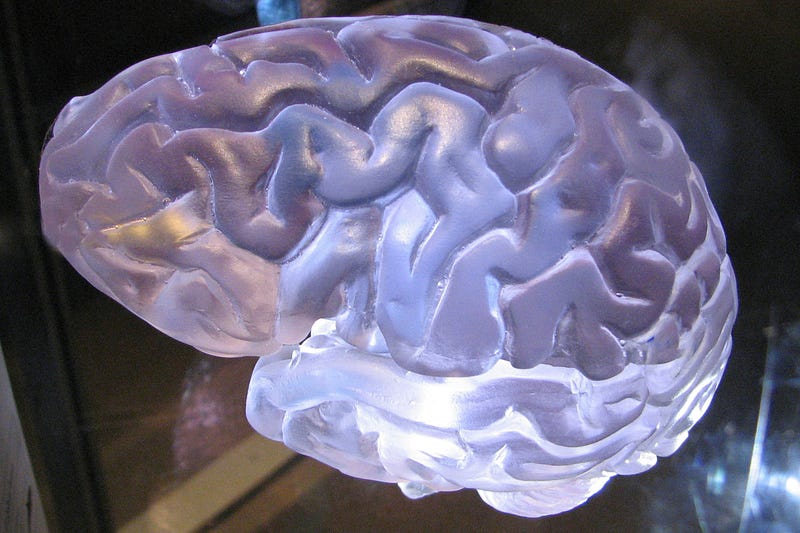
Photo by Lisa Yount on Unsplash

I once called the brain a complicated piece of humanity.

The brain, I called the center of intelligence, interpreter of perception, mover of the muscles, and controller of behavior. I described it as weighing about three pounds, more than a basketball and smaller than the basket.

It sits in its bony armor and gets “brain-washed” by protective solutions. The foundation of the qualities that define humanity, humor, and humility, also remembers all the words to the “Gilligan’s Island” theme song.

When it becomes an addicted brain, its receptors in the nucleus accumbens become swamped, overloaded like Harry Belafonte trying to carry an eight-foot bunch of bananas. Day-Oh. Deo!
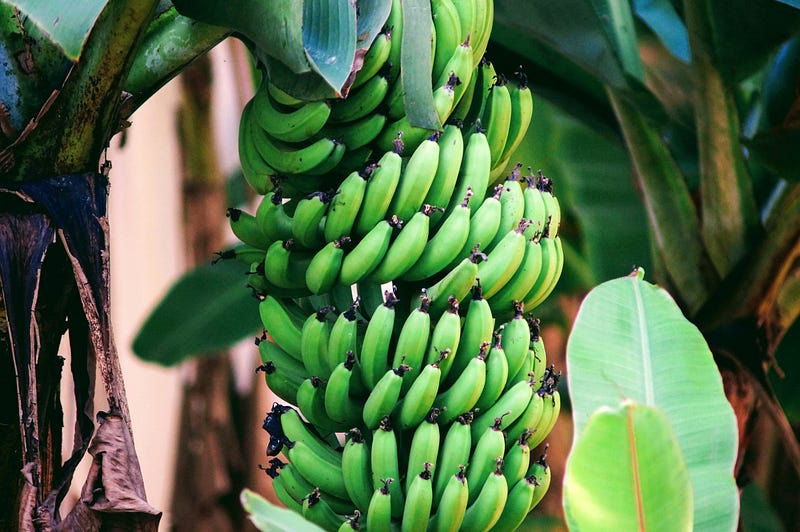
Photo by Aleksandar Popovski on Unsplash

The brain reacts to the overload by making less dopamine, our natural pleasure producer, or cutting back on dopamine receptors — an adaptation like turning down the fan’s speed. Unhealthy dopamine production is the secret sauce of human misbehavior. Dopamine and other neurotransmitters are chemicals that rapidly transmit messages.

However, the nucleus accumbens is responsible for motivation and reward and is part of complex circuits involving the amygdala and the hippocampus. Mess up this part of the brain, and you think you can dance like John Travolta because dopamine helps us learn and move around well.

Addiction, then, means losing control over substance use, such as alcohol or cocaine. Unable to control behavior, the survival of the addicted person is threatened.

Many medical professionals believe that your brain’s dopamine production will return to pre-substance misuse levels after 90 days of abstinence from intoxicants. They feel the brain is resilient and repairs itself through neuroplasticity, which is why many brain injury survivors can make astounding recoveries. Neuroplasticity allows it to modify, grow, and reorganize itself after addiction.

The portion of the brain that triggers addiction is the mesolimbic dopamine pathway, the brain’s reward circuit. Well-established scientific proof shows that disruptions in three brain areas are significant in onsetting, developing, and maintaining substance use disorders:

the basal ganglia,

the extended amygdala,

and the prefrontal cortex.

Think of these areas as the Three Wise Men who become Winkin’, Blinkin’, and Nod under the influence of intoxicants.
Image by Ekaterine Kantaria from Pixabay

Every pill, potion, spray, or squirt of a drug has slightly different effects on the brain. Still, all addictive drugs, including alcohol, opioids, and cocaine, produce a pleasurable surge of dopamine.

With an incredible ability to adapt and repair, our brain can take a licking but keep on ticking, even after prolonged drug use and dependency. The brain maintains its brain cells and neural pathways throughout life and its ability to adapt and change. As a result, many brain changes or neurological difficulties resulting from drug use are reversed when abstinence from drugs happens.

One may not understand what rehab is until actually going there. It’s not a holiday camp. It’s more like Hades on the Euphrates to some.

You may think an addicted person is a person living on the fringe of society until you become one and go to rehab. Instead, you learn in recovery that all the old habits are still there, like zombies under the sod waiting for “Night of the Living Dead” to crank up.

Recovering from addiction is losing the pain and discovering the gain.

See this: Diana Leotta

Thanks for reading my article. I hope you stayed 30 seconds here because it supports my writing, plus give up to 50 claps, plus give a response. I really appreciate it. Please subscribe to Medium and read lots of stories.

Sam writes about addiction to substances, behaviors, and thistles of the soul.

Addiction
Mental Health
Science
Life
Brain
Recommended from ReadMedium
avatarPraise Frank
Self Study III

A poem

2 min read