
Revealing the Hidden Toll: OSINT Sheds Light on Russia’s Military Losses in Ukraine!
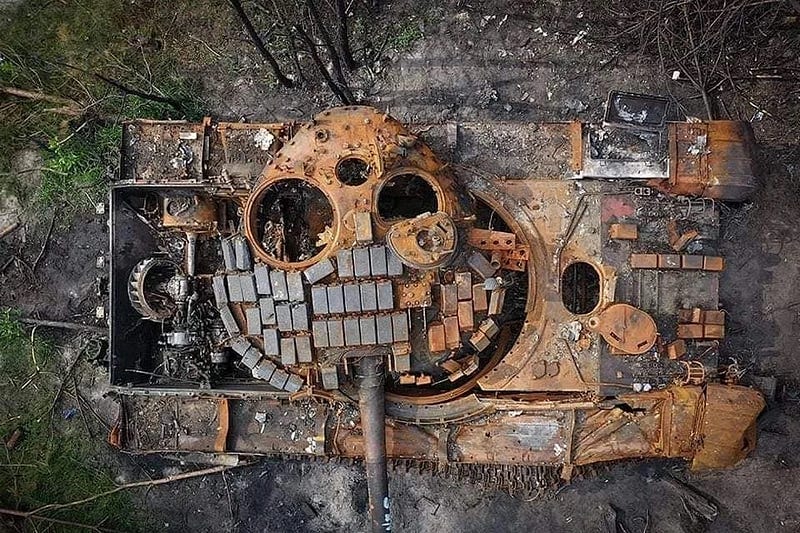
Satellite imagery and open-source intelligence (OSINT) have revealed a harsh truth on the Eastern front of Europe: Russia’s military might is waning, with losses far beyond official figures. As conflict reshapes Ukraine’s landscape, these insights offer a clear view of the war’s toll on Russian forces, challenging the narrative with hard evidence.
At the heart of this revelation is the significant depletion of Russia’s artillery reserves. Since the onset of the invasion, orchestrated by Vladimir Putin, approximately half of the nation’s artillery assets have been withdrawn from storage bases. This movement isn’t merely a strategic redeployment but a clear indicator of the attrition rate that Russian military equipment has suffered throughout the conflict.
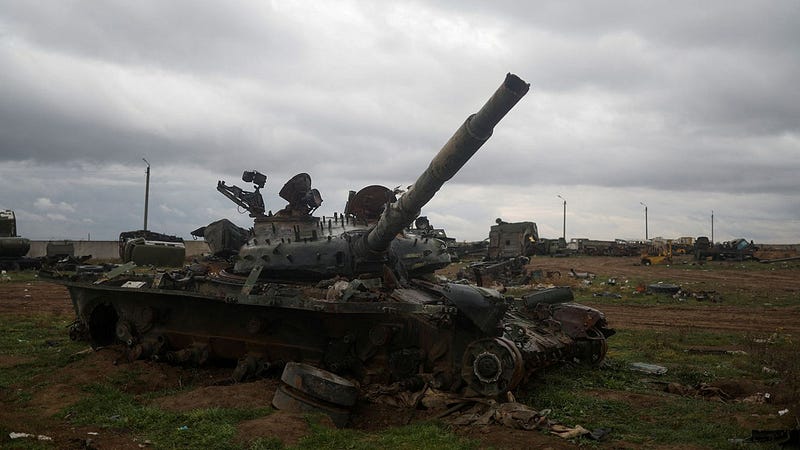
The numbers, though staggering, are difficult to fully comprehend due to the fog of war and the reticence of the involved parties to disclose their losses. However, the meticulous work of analysts sheds light on the scale of destruction. According to Oryx, a website known for its rigorous tracking of military equipment losses through visual evidence, Russia’s losses include 666 pieces of Self-Propelled Artillery (SPG) and 340 pieces of Towed Artillery (SA). Yet, these figures only scratch the surface, as the true extent of the damage is “significantly higher.”
A quick heads-up: Medium’s been tweaking its algorithms and it’s getting trickier for my stories to land in your feed. So, if you enjoy my work, please make some noise! Hit that clap button, light up the highlights, or drop a comment. Every interaction helps keep the stories flowing. Thanks for your support!
Despite the eye-opening figures presented by analysts, the full scale of Russia’s military losses remains shrouded in uncertainty. Access to conflict areas is often restricted, critical information rarely enters the public domain, and sometimes, equipment is so thoroughly destroyed it becomes impossible to identify. These barriers make it incredibly challenging to grasp the total impact of the conflict. The fog of war, combined with the reluctance of involved parties to reveal their true losses, means that even the most detailed analyses can only offer a glimpse into the extensive damage sustained. The numbers reported by sources like Oryx, while significant, likely represent just the tip of the iceberg, hinting at deeper, unquantifiable layers of loss.
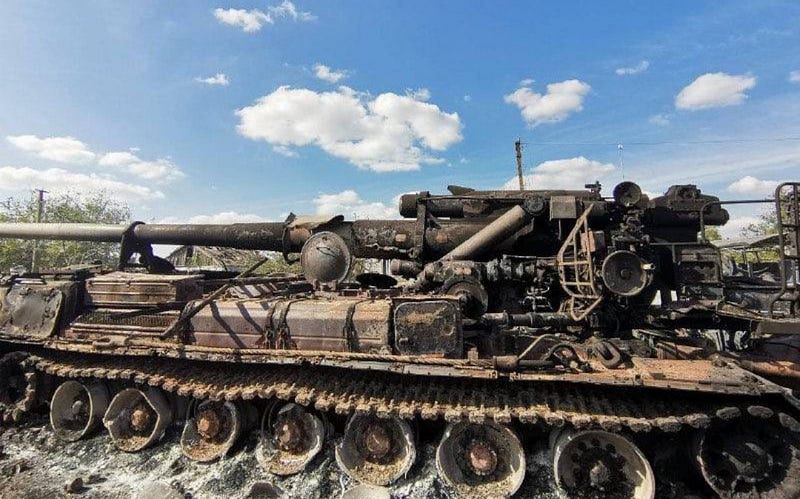
Delving deeper, OSINT research shared on social media exposes a significant depletion of Russia’s artillery stocks from strategic storage bases across the country. Before the conflict, these crucial bases housed 4,450 SPGs, a number that has now fallen by 1,489 to 2,961. Similarly, the inventory of towed artillery has seen a dramatic decline, with figures plummeting from 14,631 to 6,786 – a staggering loss of 7,845 pieces of equipment, highlighting the extensive drawdown from multiple locations to sustain the war effort.
This attrition is attributed not only to the direct losses in combat but also to the wear and tear on the barrels from the incessant firing. The analysts highlight a significant detail: the preference for deploying more capable towed artillery pieces, such as the 2A65 howitzer and the 2A36 field gun, early in the conflict. This strategy suggests a prioritization that could impact the efficacy of Russia’s long-range firepower over time.
Among the remaining artillery pieces are relics of past conflicts, including the M-30, a World War II-era gun, and the M-46 with its 130mm caliber, which is no longer actively used by Russian forces. This mix of aging and obsolete weaponry underscores the challenges Russia faces as it delves deeper into its arsenals, seeking to sustain its military efforts.
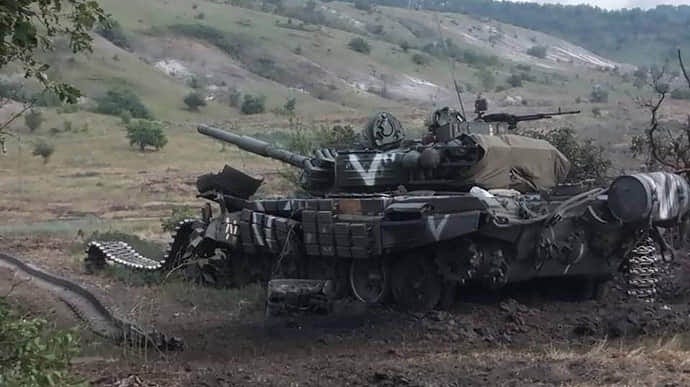
The situation is further complicated by the cannibalization of SPG stocks, a desperate measure to maintain operational capacity. The longevity of Russia’s artillery reserves is now a question of strategic significance, with potential implications for the conflict’s dynamics and its eventual outcome.
This attrition is not just a matter of numbers. It represents a significant degradation in the quality and readiness of Russia’s military capabilities. The reliance on older, sometimes antiquated, equipment signals a potential compromise in operational effectiveness. The high rate of barrel wear, necessitating frequent replacements, further exacerbates this issue. Many of the artillery systems deployed are no longer in production, complicating efforts to replenish lost or damaged units.
The strategic implications are profound. As Russia’s artillery capabilities diminish, its ability to support ground operations, enforce area denial, and project power across the battlefield is compromised. This degradation may force a recalibration of tactics and objectives, possibly leading to a more defensive posture or a reliance on alternative methods of warfare.
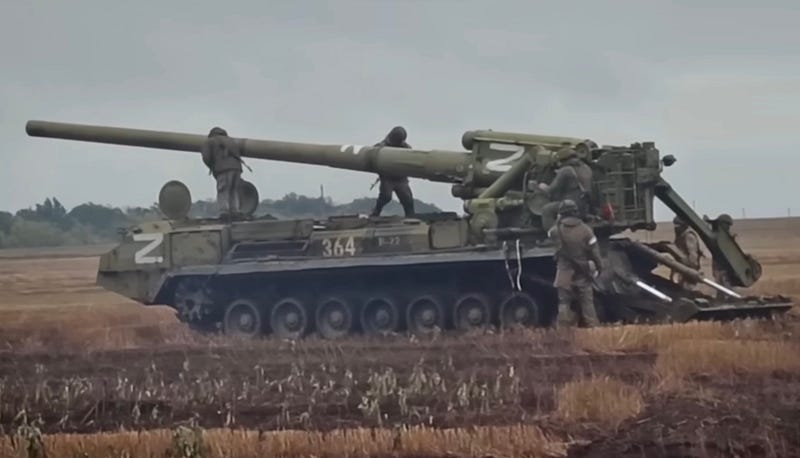
Moreover, the reliance on heavy artillery has been a hallmark of Russian military doctrine, reflecting the importance of long-range firepower in achieving battlefield superiority. The depletion of such a critical asset not only hampers Russia’s current operations but also serves as a cautionary tale of the limitations of conventional military power in the face of determined resistance and adaptive tactics.
On the flip side, Ukraine’s resilience in the face of overwhelming odds has been nothing short of remarkable. The Ukrainian forces, bolstered by international support and a fierce determination to defend their homeland, have effectively leveraged a combination of conventional and asymmetric warfare tactics to counter the Russian onslaught. The ability of Kyiv and its allies to analyze and exploit the weaknesses in Russia’s military strategy underscores the dynamic nature of modern warfare, where information and innovation are as crucial as firepower.
The broader geopolitical ramifications of this conflict extend well beyond the immediate region. The war in Ukraine has served as a stark reminder of the fragility of international security and the potential for escalation in a highly interconnected world. The response of the international community, particularly NATO and the European Union, has been a litmus test for the collective defense mechanisms and the commitment to upholding the principles of sovereignty and territorial integrity.
As we look to the future, the war in Ukraine poses pressing questions about the nature of international conflict, the role of technology and intelligence in modern warfare, and the moral imperatives that guide the actions of nations on the world stage. The lessons learned from this conflict will undoubtedly influence military and geopolitical strategies for years to come.
In conclusion, the unfolding saga of Russia’s artillery losses in Ukraine is more than a story of military hardware; it is a narrative of resilience, strategy, and the enduring quest for sovereignty. As the world watches this conflict evolve, the stakes could not be higher, nor the outcomes more uncertain. The resilience of Ukraine and the strategic recalibrations of Russia will continue to shape the course of this war and the geopolitical landscape of the post-war world.
As we engage with these developments, it’s crucial for observers, analysts, and the international community to reflect on the implications of this conflict, not just for Ukraine and Russia but for the principles of international law and the future of global security. Your thoughts, insights, and engagements are invaluable as we navigate these complex times. I encourage you to share your perspectives, engage in the discussion, and contribute to the broader understanding of this pivotal moment in history. Let’s continue the conversation – your voice matters.


