
Rethinking Luxury: Handcraftsmanship Over Factory Production
Affirming the originality and soul of micro-brands in an era of mass production and marketing
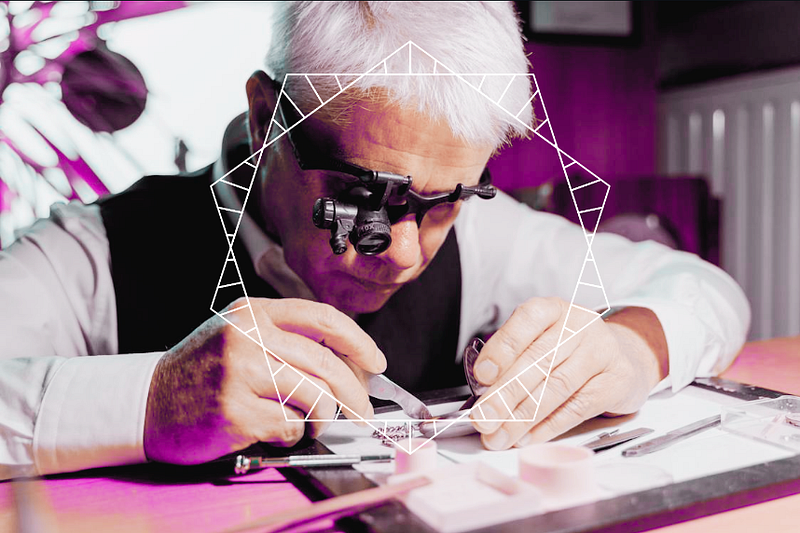
Craftspeople are creators and artists.
In the competitive sea of art and commerce, they are the underdogs.
They occupy narrow pockets in the market, holding on to their raft, which is too tiny to pose a threat to the giant waves caused by the big brands.
Mass-produced goods fill the big-box stores, and a constellation of e-commerce stores with unlimited inventory fill the screens with ads.
Zoom in, and you find the small-scale craftspeople quietly keeping something valuable alive: individuality, care, and meaning.
Microbrands and micromakers, who create goods in small batches by hand, are doing their part to keep things special and foster stronger relationships between producers and consumers in this era of mass production, rapid fashion, brand saturation, and commoditization.
Mega-corporations make a lot of stuff in order to get the most for the least amount of money, but individual creators still stitch, carve, sculpt, and put together items with care and passion.
Solitary creators still painstakingly stitch, carve, sculpt, and assemble items infused with attention and passion.
Even though they are very different in scale, both individual creators and mega-corporations make products that people desire or need.
However, individuals looking to make meaningful connections through one-of-a-kind goods are often most moved by the personal touches added by artists and craftspeople.
The Original Creators
We are familiar with contemporary artists through their work in the digital era. These are the people on social media and video producers who make videos and posts that entertain, teach, inform, and promote us on our screens.
Time-shifting back to the analog age, independent craftspeople can be thought of as creators of the time.
They are not extinct, and we can restore and elevate their market standing.
Independent watchmakers work on a single piece for months or even years, decorating tiny parts by hand with great care to bring a centuries-old craft up to date with a modern, artistic touch.
A ceramicist uses her wheel to make delicate cups and plates. She adds minor flaws that mass production would eliminate, but each one bears her own distinctive mark.
In this fast-paced world, a leatherworker uses traditional techniques like repeatedly hand-applying oil and wax to achieve a patina.
Instead of flashy mass advertising campaigns that claim to offer value and luxury, microbrands build deeply personal relationships with customers by letting them talk directly with the creators and being open about how they work.
While major labels endlessly spawn new permutations of last season’s trends, microbrand goods proudly exist as limited editions defined by meticulous choices rather than market research.
Independent clothing designers can share honest behind-the-scenes videos with their customers on social media sites.
These videos show how carefully they choose fabrics and how each garment changes from a sketch to a sample to a finished product.
Knifemakers often update their followers via email and blog posts about the process and history of making their blades, including the layered steels and bespoke handle materials.
Micro-brands foster connections based on authenticity and creativity instead of impersonal transactions by providing such closeness and accessibility.
Limited editions are defined by careful choices rather than market research; micro-brand goods exist with pride, in contrast to major labels that are constantly producing new versions of last season’s trends.
A capsule collection of twelve handbags is meticulously crafted, with the designer hand-selecting each piece’s unique leathers, hardware, and linings.
An architectural jewelry studio creates modernist pendants that are each like a miniature sculpture in and of themselves, carved according to the designer’s artistic vision rather than the consensus of many people.
Designs that do not sacrifice materials, form, or creativity to make more money make pieces feel unique.
By promoting and preserving craft, microbrands and their small batches of goods remain important as both inspiring alternatives to impersonal quantity over quality and welcome ones.
Their presence brings hope, like discovering a patch of wildflowers among acres of neon-lit billboards; it reminds us of the care that went into their creation.
What We Can Do
We possess the power to consciously opt out of the endless churn of cheap quantity.
Products made with honesty and care are preferable to mass-produced items made to suit fads. Look for microbrands and micromakers when you shop.
Curious about where things come from?
Asking is a great place to start when you are looking into ethical production, preserving traditions, protecting the environment, or discovering a new passion project.
Don’t be turned off if marketing information is non-existent, scant or comprehensive. Remember, makers spend time concentrating on making their products and do not want to waste money on marketing.
They find joy in appreciating the care that something has received from their hands and their time, rather than seeking instant gratification from another thing.
Purposefully exploring independent creators allows you to encounter the truly new and wonderful amidst a sea of homogeneity masquerading as innovation.
Meaning and variety persist when we redirect part of our purchases toward consciously valuing and elevating craftsman devotion and perspectives.
Thanks for reading!
👋 To read more about retro-revival aesthetics, culture, commerce, personal well-being and people, follow me at @cursivewriting on Medium!
☕️ Coffee donations are appreciated!


