
Rethinking “First Responders”
For slow catastrophes.
I hate ads, but every now and then an ad tries to touch you with some inspiring message. 99% of the time I’m rolling my eyes so far in the back of my head I look like I’m having a seizure. (I used to make video ads so I know all the tricks they use to make you cry.) But every now and then, an ad gets me thinking. Not really because of the ad itself, but rather what it says about society.
I watched one such 15-second ad today. Bear with me.
INT. IRISH BAR — DAY
A handsome Irish man in a tailored suit speaks directly to the camera.
IRISH MAN: To the first ones in and the last ones out. For every case of [insert Irish Whiskey brand here], five dollars go to first responders. Up to one million per year. Here’s to the proper heroes!
He raises his glass of whiskey to the camera. CUT.
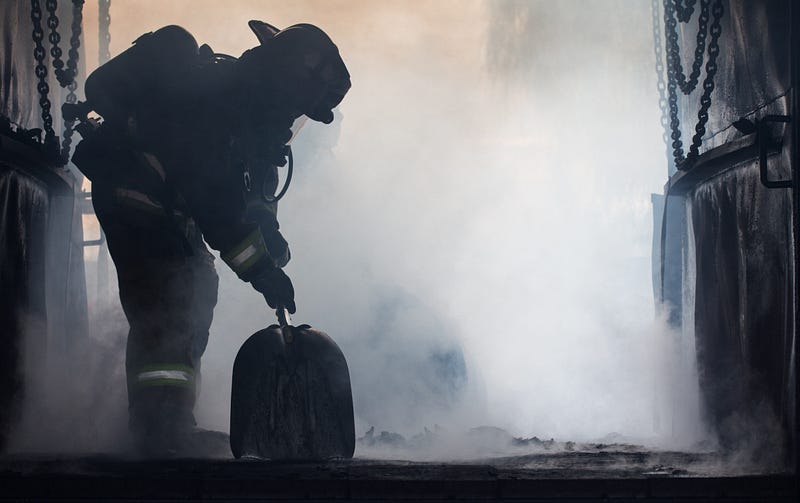
He was right. The “proper heroes” are first responders. They’re the superheroes that run into the fire and save people’s lives. They’re badass and deserve all the whiskey money they can get.
But I couldn’t help but think…
They couldn’t be the only “proper heroes” — could they?
Of course not.
I thought about the word “First Responders” and what it meant.
The first ones in.
But were “first responders” like firefighters really the first ones in?
Sorry, this may blow your mind. But, no, not technically.
Rewind the tape to before the fire set the house ablaze. Watch and see — there’s somebody else there too. The real “first one in” the house.
The firestarter. Yep. Those bastards! They leave the stove on. They leave the portable heater on. They leave the cigarette burning.
And yet, they live a double life.
Until the day they started a fire, they were a hero in their own right.
They were the preventer.
Most of us are the preventers. We turn the stove off. We keep an eye on the portable heater. We ash our cigarettes.
We prevent disastrous, life-changing fires 99.9% to 100% of the time and, yet, nobody cares! WHY?! Where’s our whiskey ad?
I’m laughing at myself now because, DUH. Of course, nobody cares.
Sure, we prevent fires every day out of habit. We don’t think about the lives we save as we turn off the stove. As we back out of the driveway slowly and check our mirrors. As we look both ways before crossing the street.
But, the pandemic got us thinking differently.
It made us more aware of the importance of our habits with the slew of advertisements and public discourse. It got drilled into us on repeat:
Washing our hands can save a life.
Wearing a mask can save a life.
Staying home and LAZILY SITTING ON YOUR COUCH can save a life!
Celebrities told us, “Wow! You can be a hero too! It’s so easy.”
Etc. etc.
Despite the ads, there was a lot of push-back from the public and I get it. It’s hard to believe that there is glory in sitting on your couch. People just weren’t buying it in their hearts, even if they agreed it made rational sense.
Think about it. If the handsome Irish man in the bar was raising his glass to people working remotely on their couch, would it seem genuine or cool? Would it make you want to buy that brand of whiskey? Or would it come off as a little facetious — like a strange Saturday Night Live sketch?
“To the couch-sitters, the hand-washers, and the mask-wearers. Here’s to the proper heroes!”
I’m just going to say the hard-to-swallow truth: Prevention is the best-case scenario and yet, it is the hardest thing to sell. It sounds clinical, depressing, tedious, slow, and mundane.
But why is it so hard to sell? Let alone, do?
It makes sense when you think about it. For decades, we’ve been marketed the exact opposite.
- Oh, you’re sore from sitting all day? Buy this sleek back massager. Take a quick pain pill!
- Want to have more fun? Take a shot of whiskey! Watch this 30-second TikTok video!
- Want to look sexier? Go on this fast diet. Here’s the latest fast-fashion! Or, get a quick nip and tuck!
Ad after ad after ad sells us on how sexy the quick fix is. Plus, for every slow fix, we’re sold at least a hundred “quick” fixes. Fast solutions get our attention.
It’s like magic. It’s exciting. It’s faster, therefore it must be better!
Perhaps saddest of all — we’ve grown dependent on the fast fix.
We’re not used to fixing things ourselves. We’d rather wait on a company to develop a vaccine, which is basically just a “quick” fix that takes a year.
We apply this same logic of “faster is better” to our heroes. Think about first responders. The faster they save a life, the more glory they’re likely to get.
But who really cares if someone takes a year to save a life vs. an hour?
It’s still a life.
We’re smart enough to know that slowness can also be a good thing. Barbeque, wine, and cheese would suck if not for slowness. We know the slow tortoise wins the race against the hare. Oftentimes, the slower a product is made, the higher quality it is. Etc.
But logic doesn’t always win against emotions. We love SPEED. Think about your favorite superhero. They are probably lightning-fast!
Despite this, prevention, as slow and anti-climatic as it is, remains the best-case scenario even when we aren’t aware of its impact.
Let’s face it. If the pandemic never happened because of prevention measures we probably wouldn’t even celebrate. Not even one toast or “dodged that bullet” to be heard. That’s because it’s hard to notice a catastrophe that never happens, let alone feel grateful for it.
You hear people talk about the importance of gratitude for everything you have, and it’s hard not to feel slightly overwhelmed and frustrated.
Be grateful your water came out of the faucet today. Be grateful your house is still standing. Be grateful you’re still alive. Be grateful for EVERYTHING GOING OKAY AT ALL TIMES!!!
Of course, being that aware and that grateful is really hard.
Back to the Irish whiskey ad!
“To the first ones in and the last ones out. Here’s to proper heroes!”
Not only is it sexy (who doesn’t like a life-saving hero?) — but it’s easy to understand. I get it instantly. Person dying. Another person instantly saves them. Person lives.
I feel strong emotions. I feel grateful for these people. I get it on a visceral level. Caveman me is very happy about this.
What’s harder for me is emotionally feeling as indebted to people who take “prevention measures”
It’s not really talked about as much and doesn’t sound as heroic.
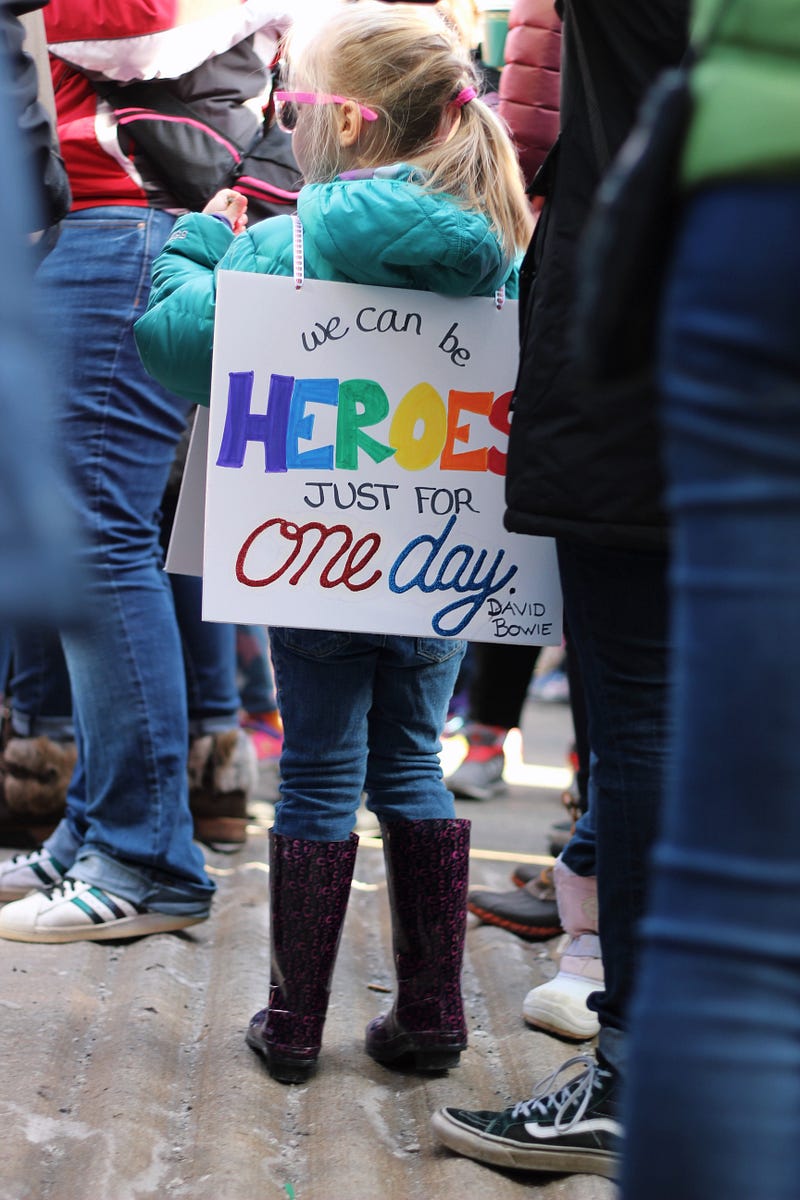
Believe me, it makes sense that we give so much glory to first-responders because it’s obvious.
And, I’m not saying we should take any of that glory away.
But I am saying this: Glory isn’t a finite resource — and there are some people that deserve more than we give. Regular people who care and do the daily, often invisible work of prevention. For example, people who:
Have a zero-waste lifestyle
Reduce their emissions
Wear masks and social distance
Participate in Activism
Donate to Good Causes
Urge Companies to Do Better
ETC. ETC. ETC.
Of course, things are changing.
But celebrities in ads telling you to wash your hands is just the beginning.
We need to make prevention a sexy word.
That’s going to take a lot of awareness.
But it shouldn’t be that hard, because when I think about the biggest threats to humanity, like global warming, pandemics, or civil war, they have a few things in common:
- They’re all slow catastrophes that happen over time
- They could kill millions of people over the next century
- Prevention measures are our best bet at saving lives
To hell to whoever this offends. I demand credit where credit is due:
“First responders” to slow catastrophes deserve all the glory they can get.
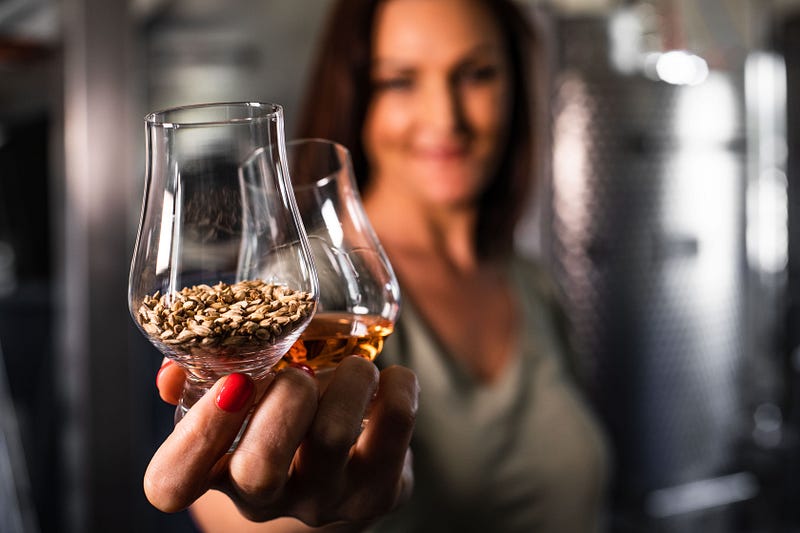
So, with that, I raise my glass to the “first responders” of the world — the ones who quickly put out small fast fires (like your house on fire), the ones who slowly put out big slow fires (like global warming), and the ones who prevent fires before they start (like preventers of the next pandemic we will never know of.)
Whether you’re a firefighter or an ethical Earthling making daily choices for the greater good — It’s not just a “lifestyle” choice. It’s also a sacrifice. I see you. I appreciate you. I glorify you. To the lives you save that we know of and to ones you save that we don’t. To the glory of goodness in all its forms.
Cheers,
Kat