avatarEd Ergenzinger, JD, PhD

Free AI web copilot to create summaries, insights and extended knowledge, download it at here

3146

Abstract

bracket found to be associated with COVID-19 vaccine resistance.</p><figure id="fc83"><img src="https://cdn-images-1.readmedium.com/v2/resize:fit:800/1*TVqaXC6qo-cZgj5Qjv07NA.jpeg"><figcaption>Image by <a href="https://pixabay.com/users/tumisu-148124/?utm_source=link-attribution&amp;utm_medium=referral&amp;utm_campaign=image&amp;utm_content=4994442">Tumisu</a> from <a href="https://pixabay.com/?utm_source=link-attribution&amp;utm_medium=referral&amp;utm_campaign=image&amp;utm_content=4994442">Pixabay</a></figcaption></figure><h2 id="48a1">Distinct Psychological Profiles</h2><p id="a1af">Although COVID-19 vaccine hesitant and resistant individuals in both Ireland and the UK were all over the map with respect to most sociodemographic and health factors, both populations shared similar psychological profiles.</p><p id="ac6c">Specifically, those individuals who were vaccine hesitant or resistant were:</p><ul><li>More self-interested;</li><li>More distrusting of experts and authority figures (<i>e.g.,</i> scientists, health care professionals, the state);</li><li>More likely to hold strong religious beliefs;</li><li>More likely to hold conspiratorial and paranoid beliefs;</li><li>More likely to believe that their lives are primarily under their own control;</li><li>More likely to have a preference for societies that are hierarchically structured and authoritarian;</li><li>More intolerant of migrants in society;</li><li>More impulsive in their thinking style; and</li><li>More likely to have a personality characterized by being more disagreeable, more emotionally unstable, and less conscientious.</li></ul><figure id="bd5e"><img src="https://cdn-images-1.readmedium.com/v2/resize:fit:800/1*5YZ6wIQGzvNWhVv37rTK-g.jpeg"><figcaption>Image by <a href="https://pixabay.com/users/tumisu-148124/?utm_source=link-attribution&amp;utm_medium=referral&amp;utm_campaign=image&amp;utm_content=2313430">Tumisu</a> from <a href="https://pixabay.com/?utm_source=link-attribution&amp;utm_medium=referral&amp;utm_campaign=image&amp;utm_content=2313430">Pixabay</a></figcaption></figure><h2 id="c3ba">Influence of Social Media</h2><p id="fae0">Vaccine resistant individuals in both Ireland and the UK were less likely to trust and consume information about the COVID-19 pandemic from traditional sources such as newspapers, television, radio, and government agencies, and instead were more likely to obtain pandemic information from social media channels.</p><p id="cdd6">These findings were consistent with the fact that vaccine resistant individuals were found to be more distrusting of health and government authorities and scientific experts, and were also consistent with other studies reporting the influence of social media in <a href="https://www.sciencedirect.com/science/article/pii/S0264410X11019086?via%3Dihub">anti-vaccine</a> <a href="https://publichealth.jmir.org/2016/2/e166/">messaging</a>.</p><figure id="a7ac"><img src="https://cdn-images-1.readmedium.com/v2/resize:fit:800/0*gg03MBfhD4ok_L3F"><figcaption>Photo by <a href="https://unsplash.com/@enginakyurt?utm_source=medium&amp;utm_medium=referral">engin akyurt</a> on <a h

Options

ref="https://unsplash.com?utm_source=medium&amp;utm_medium=referral">Unsplash</a></figcaption></figure><h2 id="837d">Implications for Public Health Campaigns</h2><p id="351f">The researchers were careful to note that some of the demographic differences they observed may be specific to Ireland and the UK. They urged public health officials in different countries to try to replicate their work with an eye toward identifying the characteristics of vaccine hesitant or resistant sub-groups within the sociopolitical contexts of those countries. Once identified, public health messaging can be specifically directed to target these groups, such as toward women, younger adults, and those of lower socioeconomic status in Ireland and the UK.</p><p id="5a11">However, the psychological factors identified by the researchers suggest real challenges for public health messaging. Information from governments, scientists, and medical professionals is likely to be met with a high level of distrust from vaccine hesitant and resistant people. Such messaging may in fact lead to an entrenchment of anti-vaccine beliefs.</p><p id="2704">A potentially more effective approach suggested by the researchers to persuade vaccine hesitant or resistant persons is to recognize their distrust of conventional authority figures and their preference for social dominance and authoritarianism. Such individuals may be more receptive to messages regarding COVID-19 vaccine safety and efficacy if they are delivered by individuals within alternative or non-traditional positions of authority and expertise, such as <a href="https://linkinghub.elsevier.com/retrieve/pii/S0140673604162946">religious</a> and <a href="https://www.afro.who.int/news/winning-community-trust-ebola-control">community</a> leaders.</p><figure id="030b"><img src="https://cdn-images-1.readmedium.com/v2/resize:fit:800/1*sEdxeBqjPVEv9oUzHqnP0Q.jpeg"><figcaption>Image by <a href="https://pixabay.com/users/masbet-5633372/?utm_source=link-attribution&amp;utm_medium=referral&amp;utm_campaign=image&amp;utm_content=3559661">masbet christianto</a> from <a href="https://pixabay.com/?utm_source=link-attribution&amp;utm_medium=referral&amp;utm_campaign=image&amp;utm_content=3559661">Pixabay</a></figcaption></figure><p id="018a">Furthermore, in view of the findings that vaccine hesitant or resistant persons tend toward a lack of altruism, an internal locus of control, and anti-migrant views, messages may resonate better if they are less focused on protection of the community at large and more focused on the benefits of vaccination against COVID-19 to individuals personally and to their loved ones.</p><p id="eac9">Finally, the findings regarding the sources relied upon and trusted by vaccine hesitant or resistant individuals for information about the COVID-19 pandemic highlights the need for public health authorities to utilize multiple media channels to disseminate information. Traditional media outlets are not enough — targeted social media messaging will be critical to effectively reach and convince the most people about the necessity of COVID-19 vaccination.</p></article></body>

COVID-19 | Vaccines | Psychology

Resistance to COVID-19 Vaccination Linked to Psychological Factors and Social Media

New research identifies key differences between individuals hesitant or resistant to COVID-19 vaccines compared to those accepting of the vaccines.
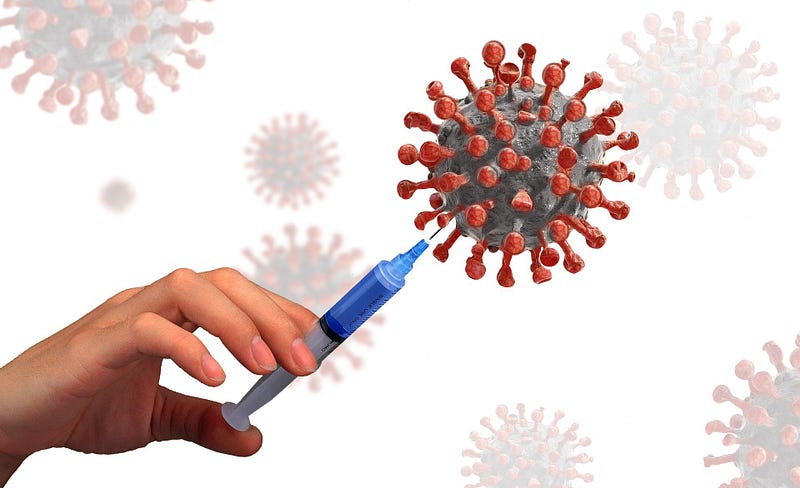
Image by Gerd Altmann from Pixabay

In a study published January 4th in Nature Communications, a group of researchers led by Dr. Jamie Murphy of Ulster University report that COVID-19 vaccine hesitant/resistant respondents in Ireland and the United Kingdom were similar across a broad array of psychological constructs as well as in their preferred source of information about the pandemic.

The researchers found vaccine hesitancy or resistance in 35% of adults in Ireland and 31% of adults in the UK. These findings aligned with data from seven European nations in which 26% of adults indicated hesitance or resistance to a COVID-19 vaccine, as well as the United States where 33% of adults indicated hesitance or resistance.

Image by Willfried Wende from Pixabay

Some Differences Based on Sex, Age, and Income

Most social, economic, cultural, political, geographical, and health characteristics were found to be similar between those accepting of a COVID-19 vaccine compared to those hesitant or resistant. However, the groups in both countries were found to differ along three demographic factors: sex, age, and income level.

Women were more likely to be vaccine hesitant compared to individuals accepting of a COVID-19 vaccine. Younger individuals were also more likely to be vaccine hesitant or resistant, with all age groups under the age of 65 in the UK more likely to be hesitant or resistant, while those aged between 35–44 in Ireland more likely to be hesitant or resistant. Vaccine resistance was also associated with lower income in both countries, with every earning category below the highest income bracket found to be associated with COVID-19 vaccine resistance.
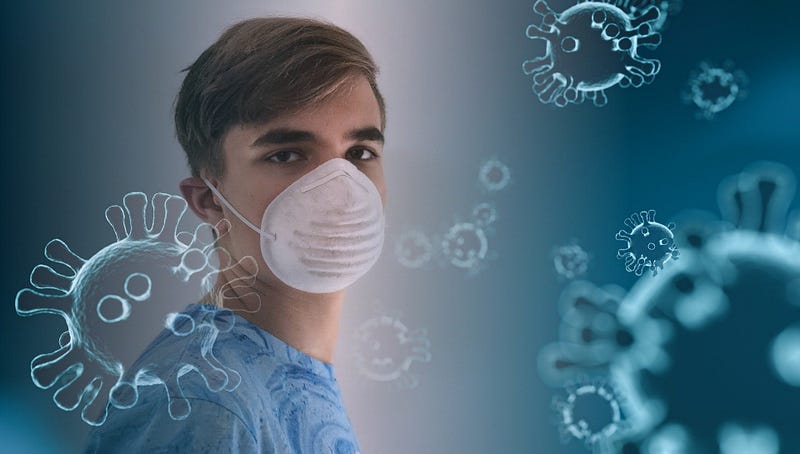
Image by Tumisu from Pixabay

Distinct Psychological Profiles

Although COVID-19 vaccine hesitant and resistant individuals in both Ireland and the UK were all over the map with respect to most sociodemographic and health factors, both populations shared similar psychological profiles.

Specifically, those individuals who were vaccine hesitant or resistant were:

  • More self-interested;
  • More distrusting of experts and authority figures (e.g., scientists, health care professionals, the state);
  • More likely to hold strong religious beliefs;
  • More likely to hold conspiratorial and paranoid beliefs;
  • More likely to believe that their lives are primarily under their own control;
  • More likely to have a preference for societies that are hierarchically structured and authoritarian;
  • More intolerant of migrants in society;
  • More impulsive in their thinking style; and
  • More likely to have a personality characterized by being more disagreeable, more emotionally unstable, and less conscientious.
Image by Tumisu from Pixabay

Influence of Social Media

Vaccine resistant individuals in both Ireland and the UK were less likely to trust and consume information about the COVID-19 pandemic from traditional sources such as newspapers, television, radio, and government agencies, and instead were more likely to obtain pandemic information from social media channels.

These findings were consistent with the fact that vaccine resistant individuals were found to be more distrusting of health and government authorities and scientific experts, and were also consistent with other studies reporting the influence of social media in anti-vaccine messaging.

Photo by engin akyurt on Unsplash

Implications for Public Health Campaigns

The researchers were careful to note that some of the demographic differences they observed may be specific to Ireland and the UK. They urged public health officials in different countries to try to replicate their work with an eye toward identifying the characteristics of vaccine hesitant or resistant sub-groups within the sociopolitical contexts of those countries. Once identified, public health messaging can be specifically directed to target these groups, such as toward women, younger adults, and those of lower socioeconomic status in Ireland and the UK.

However, the psychological factors identified by the researchers suggest real challenges for public health messaging. Information from governments, scientists, and medical professionals is likely to be met with a high level of distrust from vaccine hesitant and resistant people. Such messaging may in fact lead to an entrenchment of anti-vaccine beliefs.

A potentially more effective approach suggested by the researchers to persuade vaccine hesitant or resistant persons is to recognize their distrust of conventional authority figures and their preference for social dominance and authoritarianism. Such individuals may be more receptive to messages regarding COVID-19 vaccine safety and efficacy if they are delivered by individuals within alternative or non-traditional positions of authority and expertise, such as religious and community leaders.

Image by masbet christianto from Pixabay

Furthermore, in view of the findings that vaccine hesitant or resistant persons tend toward a lack of altruism, an internal locus of control, and anti-migrant views, messages may resonate better if they are less focused on protection of the community at large and more focused on the benefits of vaccination against COVID-19 to individuals personally and to their loved ones.

Finally, the findings regarding the sources relied upon and trusted by vaccine hesitant or resistant individuals for information about the COVID-19 pandemic highlights the need for public health authorities to utilize multiple media channels to disseminate information. Traditional media outlets are not enough — targeted social media messaging will be critical to effectively reach and convince the most people about the necessity of COVID-19 vaccination.

Covid-19
Vaccines
Science
Health
Coronavirus
Recommended from ReadMedium