Researchers find that a plant-based diet can help with Alzheimer’s
This diet might help slow the progression of Alzheimer’s and possibly improve it.
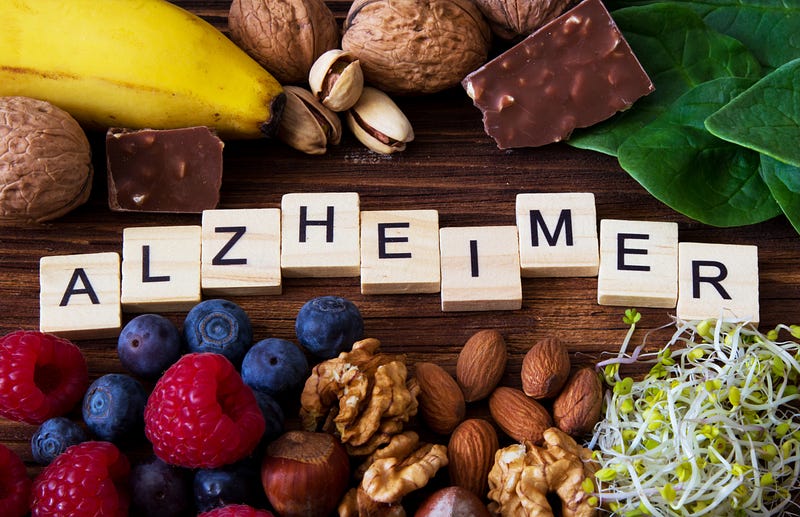
If you have ever known someone with Alzheimer’s, you know how painful it is to watch their cognitive decline. The affected individual doesn’t see what is happening, but everyone around them watches the changes. Alzheimer’s disease is currently ranked as the sixth leading cause of death in the United States, but recent estimates indicate that the disorder may rank third, just behind heart disease and cancer, as a cause of death for older people.
Alzheimer’s disease is an irreversible, progressive brain disorder that slowly destroys memory and thinking skills, and, eventually, the ability to carry out the simplest tasks. In most people with Alzheimer’s, symptoms first appear in their mid-60s. Estimates vary, but experts suggest that more than 5.5 million Americans, most of them age 65 or older, may have dementia caused by Alzheimer’s. Alzheimer’s disease is named after Dr. Alois Alzheimer.
Alzheimer’s is the most common cause of dementia among older adults. Dementia is the loss of cognitive functioning — thinking, remembering, and reasoning — and behavioral abilities to such an extent that it interferes with a person’s daily life and activities. Dementia ranges in severity from the mildest stage, when it is just beginning to affect a person’s functioning, to the most severe stage, when the person must depend completely on others for basic activities of daily living.
Signs and Symptoms
The first symptoms of Alzheimer’s vary from person to person. For many, decline in non-memory aspects of cognition, such as word-finding, vision/spatial issues, and impaired reasoning or judgment, may signal the very early stages of Alzheimer’s disease.
A probable diagnosis can be made based on the presence of some or all of the
following clinical features:
1. Gradual decline in memory (especially recent memory)
2. Language difficulties including trouble remembering names
and trouble speaking
3. Problems with vision and motor skills
4. Difficulty with reasoning (e.g., judgment, ability to plan and
execute)
5. Psychiatric and personality changes (e.g., paranoia, delusions depression, visual hallucinations)
Dr. Michael Greger of nutritionfacts.org states, “There is mounting evidence that a healthy diet offers protection from Alzheimer’s disease. Numerous studies have shown Alzheimer’s is more a disease of lifestyle than genetics, and there is an emerging consensus that the same foods that clog our arteries can also clog our brains.”
Scientists are still trying to understand why Alzheimer’s develops, however, most believe the disease is caused by a combination of genetic, lifestyle, and environmental factors that influence the brain over time, Mayo Clinic explained.
A growing amount of research has linked meat consumption with heart disease, liver disease, diabetes, and cancer. Experts say animal-based meat could also impact the brain.
One study of more than 18,000 people found links between a diet high in fried foods and processed meat and low scores in learning and memory. Other research, which studied more than 5,000 people, found that a diet rich in red meat, processed meat, and fried food was associated with a faster decline in reasoning.
Research shows that saturated and trans fats found in dairy products, meats, pastries, and fried foods can increase the risk for cognitive decline. Instead, eat a plant-based diet, which helps protect brain health. Berries and foods rich in vitamin E, including nuts, seeds, leafy greens, and whole grains are especially beneficial.
A powerful TEDx presentation by Dr. Neal Barnard is a must-see for anyone affected by Alzheimer’s
The Physicians Committee for Responsible Medicine also has a fact sheet which contains a lot of helpful resources.


