
Researcher Spotlight: An Interview With Kithmin Wickramasinghe
Reflections on researching as an undergraduate

As a continuation of an earlier article about sharing research experiences with undergraduates, I had a chat with another friend of mine, Kithmin, whom I got to know during my time at the University of Moratuwa, Sri Lanka.
Tell me a bit about yourself….
I have never really been sure what fits best here, so I’ll just repeat what it says on my LinkedIn :D
I am a self-motivated and passionate dynamic individual with a sound educational background and a passion for learning new concepts, technologies, new techniques in the field of innovative healthcare. I have a First Class Honours bachelor’s degree from the Department of Electronic and Telecommunication Engineering, University of Moratuwa, where I specialized in Biomedical Engineering. I am quite keen on entering the field of flexible electronics and wearable technology, biomedical devices, bio-signal processing, cybernetics, and human-computer interaction. For hobbies, I can do sketching, hiking, travelling to places mentioned on the Dan Brown books, listening to music, playing basketball, or binging anime while surviving on cereal for an entire week.
Basically, I’m an engineer who likes designing and hands-on development and want to figure out innovative ways in how humans interact with gadgets in the healthcare field, like with wearables.
What is your passion for research?
I normally consider myself an average researcher. That is, everything I may know about the scientific method and about doing research, many others surely know better than me. This is why I have not focused on talking about how to do research in this small article.
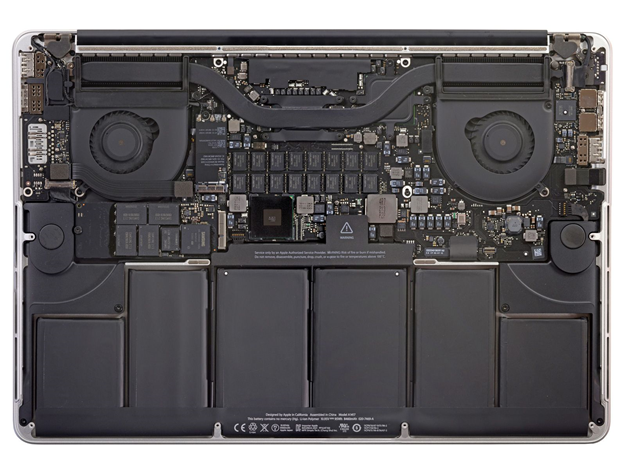
I consider my strengths to be in guiding others, planning hardware design projects and executing them to a very professional standard, and finishing things off (yes, even tough hardware projects) on a high note. My motto for engineering is, “I mean software work is cool and brilliant and we can’t really exist without some of them, but elegant and cutting edge hardware, executed with precision design and state of the art engineering is just so damn cool and unbeatable”. How does Apple build such neat and incredibly performing MacBooks and iPhones (can we take a moment and appreciate how amazing MacBooks look even from the inside)?
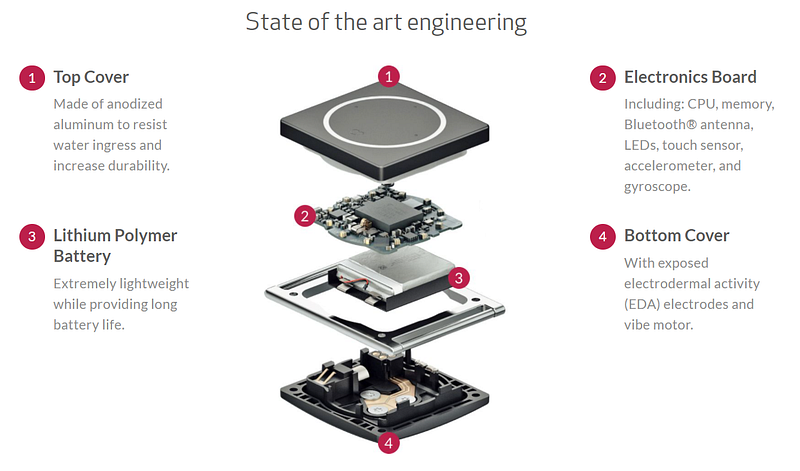
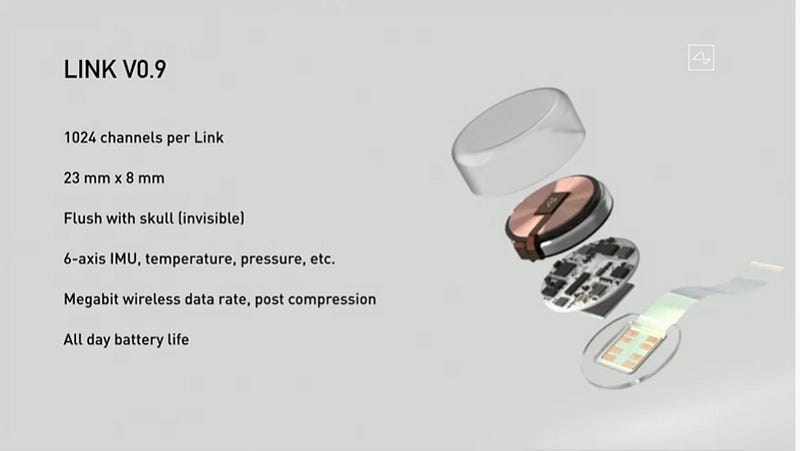
How does a tiny wearable contain so much efficient healthcare technology? Why is the neuralink such a cool and next-generation gadget, and can I build one on my own? Hence, my quest is to unravel the secrets and best techniques behind the world of hardware engineering.
Can you tell me about the research component you had in your curriculum?
I was properly introduced to research and the scientific process through the final year project. Before that, I did an internship in Tokyo, which was geared toward research, but I didn’t evaluate my methods much due to the inexperience I had back then, and just gained experience in a particular field of applied research.
My final year group project was a really interesting point of my research profile. We went to get a project from Dr. Simon Lind Kappel and he straight away had an ideal project for us. We started to work in a motivated manner with a parallel software and hardware approach, but our group had very limited experience in research. I did not even know how to write a citation properly. All the experience I had gained until then was in hands-on building robots and circuits and devices. So, this was a challenging task for our group, especially in the hardware scope of the proposed project.
Luckily our supervisor was also someone who had gone through what we were facing and was an excellent supportive strength to us. He would fill us with so many neat ideas whenever we were faced with a dilemma. We had to evaluate our problem scenario and propose an ideal solution that we could implement and show the evaluation panel. Even though in the end, we ended up doing one of the best projects Dr. Simon had ever supervised, it’s the journey and the planning that matters here, and that’s what I want to share. The thing with hardware projects is; you can’t just plan to finish the project the exact high quality and the fully functional way you want to, within a given deadline; and that’s the fundamental problem you have to deal with.

What do you mean you can’t just plan to finish the project by a given deadline?
There are sooooo many obstacles in comparison to a software project.
· You have to come up with the most suitable design,
· You have to look for the most suitable components,
· You have to buy those components by going through so many different places in the most cost-efficient ways possible to save your money,
· You have to wait for different types of shipping methods to deliver your stuff and for the delays involved in each,
· You have to fix and solder everything together (SMD soldering an entire PCB is no easy task),
· You have to test and find out the issues involved in the design,
· and then you have to go through the above process once more.
And if you figure those things out, then here are project funding barriers involved –
· Where are you going to find the money to buy and pay for tax and shipping?
· How is your team going to share money and manage other expenses as well?
· How can you get them on time before the evaluation deadlines?
· How can you make sure you do as few mistakes as possible in your design to avoid too many iterations?
And believe me, in order to finalize a design, we have to do this iteration at least thrice or more! (only twice if we are lucky and really skilled!)
How does figuring out solutions to all of these connect? Can you explain using your research project?
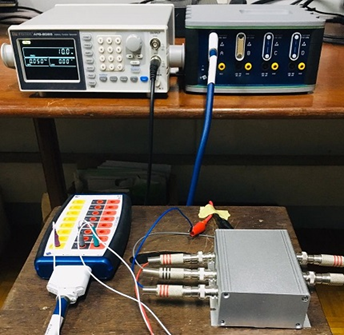
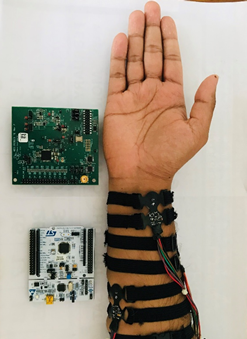
Our final year group project was under the topic ”Development of a Cost-effective sEMG Sensor System for Controlling Bionic Arms”. The outcome of this project was to design a cost-effective, re-usable, wearable device of a small form factor that ensures real-time feedback and comfortability despite long-duration usage. This had to be achieved with the use of dry contact surface electrode technology, device and sensor circuit design factors with ergonomic design principles, real-time digital signal processing and data communication, and machine learning, as well as bionic hand control feedback.
This is the overall picture and full overview of the challenge that is involved in hardware research. It’s not just about getting down modules and connecting them together to build a nice outcome. It must be elegantly done with a professional engineering touch. This is what I mean:
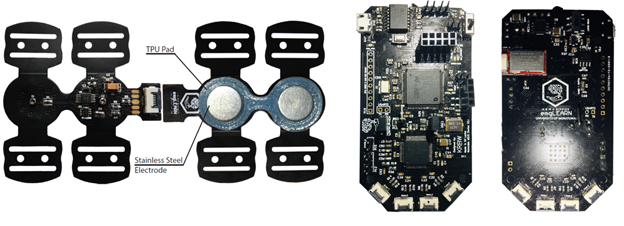
And for us, an added challenge which had rarely (or maybe never) been done in the department before, was to perform hardware-level testing of bioelectrical parameters, with the limited and available lab resources. It was quite interesting to figure out solutions for all these challenges within the given time constraint of the final year project.
I think you have painted a clear picture of how engineering students should look towards doing a hardware research project, and what they need to expect in that? What would be your main advice to someone who wants to undertake a similar journey?
So, there are four things I have identified that you need if you are going to face this kind of challenge.
1. A good and supportive supervisor who is willing to invest time in you/your group and guide you.
2. A plan! A solid plan on how you are going to achieve each phase and when you are going to roughly implement it. You need to have ideas about shipping delays; designing time; implementation time etc.
Here is a link to ours so you can get an idea - https://docs.google.com/spreadsheets/d/14IzmGIwSqgZ8oaGw76UIlHtStopzYSujymk0dpkW5Kg/edit?usp=sharing
These are some free templates you can use to make yours (credits: https://www.youtube.com/watch?v=-crraoSMxc0) - https://docs.google.com/spreadsheets/d/1WuNJwecZkWKDmdJWmGLI-7qlepwXuT4b_71LYkoO8DI/edit#gid=0
3. Track your group budget as clear as possible. Add all the online expenses you do and the costs and delivery dates. Make sure you are expanding your budget gradually but not too fast. The best way to manage wasting too much money on last moment expenses like fast shipping is to plan early and order early. Design early and put your order in so that they arrive well before the deadline dates. Most people end up incurring huge budgets of over $1000 on undergrad research projects since they do not consider these things, whereas we only spent around $640 with very little unnecessary expenses in our project.
4. Multidisciplinary approach and thinking for hardware - so that you avoid doing fewer mistakes in each iteration and you finish projects quickly. You also need to have the skills to design and implement well. You also need to have the intuition to practically build what you want to envision and achieve in your final outcome. The most important thing you need to keep in mind is that doing proper hardware takes patience and perseverance. IT WILL ALWAYS TAKE THE TIME IT WAS MEANT TO TAKE Sometimes there is no such thing as finishing earlier than the deadline. If everything I have mentioned above fell into line, then the time it takes might even come until the last day before evaluation. Still, if you were patient and had a proper approach, then you will pull through.
And finally, remember you always have to do all this while balancing other non-research work. This is the way of the challenging, yet interesting field of hardware design
Any moments of your research career you can share with us?
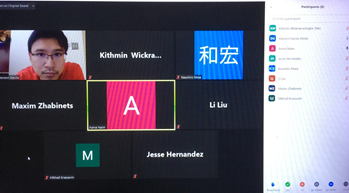
Here is us presenting our hardware paper at the virtual IEEE SMC 2020 conference.
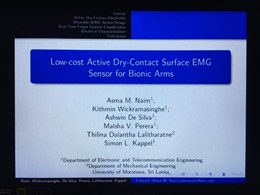
Here is us getting some international recognition for our work
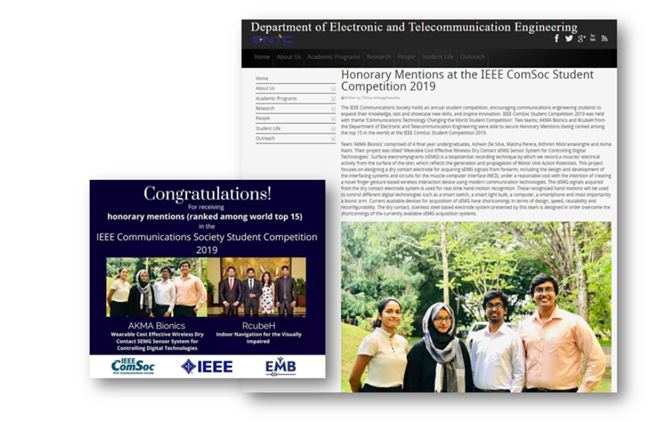
All the hard work pays off at the end, and that is the beauty of research, in any form it may be. It's worth something which you can be genuinely proud of. It may create an impact on the world, or it may not; but at least you have tried to contribute something to the betterment of mankind, however crazy it may be. So as Steve Jobs says;

And not to keep quoting this amazing guy, but I leave you guys with this. Thank you for reading!

How can others contact you?
You can contact me via my personal website, social media or drop me an email.
Personal website: https://blog.kithmin.xyz/
Email: [email protected]
Twitter: https://twitter.com/k1thr95