
Research in Computational Biology and Bioinformatics
Subfields, research areas, data sources and where you can publish your work in the fields of computational biology and bioinformatics
Computational biology and bioinformatics are two popular fields in the scientific research community as more and more interdisciplinary fields emerge. Many who seek higher studies opportunities have asked me this question;
What are the areas one can study or do research in computational biology and bioinformatics?
So, I thought of sharing this article explaining a few subfields in computational biology and bioinformatics, possible research areas, data sources and where you can publish your work.
Main Research Areas
1. Genetics and Genomics
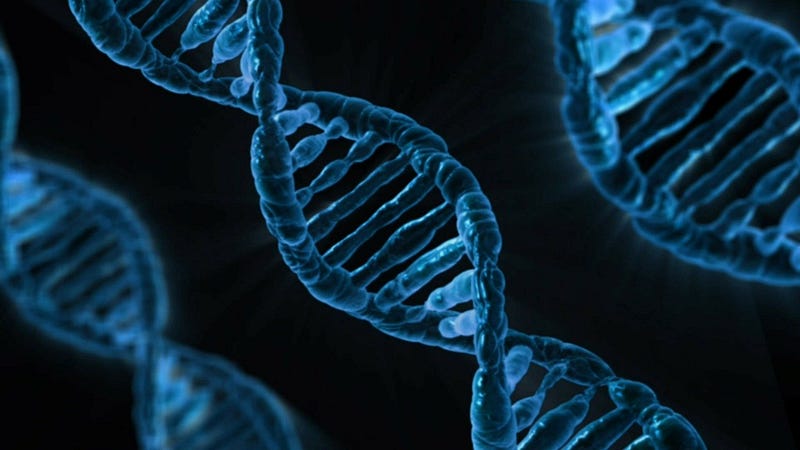
The study of inheritance based on DNA and how individuals vary is known as genetics, whereas the study of the structure, functions and mapping of genomes is known as genomics. Researchers make use of data obtained from DNA and RNA sequencing and microarrays to determine important nucleic acid patterns and structures.
Metagenomics (also known as environmental genomics) is a subfield of genomics which studies the genomes of micro-organisms obtained from environmental samples.
A few research problems in genetics and genomics include,
- Genome assembly
- Haplotype phasing
- Gene prediction
- Metagenomics binning
- Plasmid detection
2. Transcriptomics
Transcriptomics is the study of an organism’s transcriptome. The transcriptome is referred to as the sum of an organism’s RNA transcripts. The DNA information in the genome gets converted to RNA through a process called transcription. A segment of DNA that gets transcribed into an RNA molecule is called a transcription unit which encodes genes.
A few research problems in transcriptomics include,
- Transcriptome assembly
- Transcriptome mapping
- Applications of transcriptomics in autoimmune diseases
- Differential expression of miRNAs
3. Proteomics
Proteomics is the study of proteins. Proteins play an important role in living organisms for growth, regulation and maintenance of the body’s tissues and organs. The process of transcription produces messenger RNA (mRNA) which serves as a template for the synthesis of protein through translation. Hence proteins produced depend on the genes that are transcribed from the mRNA.
A few research problems in proteomics include,
- Applications of proteomics in drug discovery
- Protein folding
- Protein structure prediction
- Protein-protein interaction networks
4. Metabolomics
The study of metabolites, which are molecules produced by metabolism within tissues and cells is known as metabolomics. Researchers try to identify and quantify metabolites using different analytical methods and interpret data. There are difference subfields of metabolomics such as metabonomics and exometabolomics.
A few research problems in metabolomics include,
- Metabolic reprogramming
- Mass spectrometry strategies
- Identification of biomarkers
5. Phylogenetics
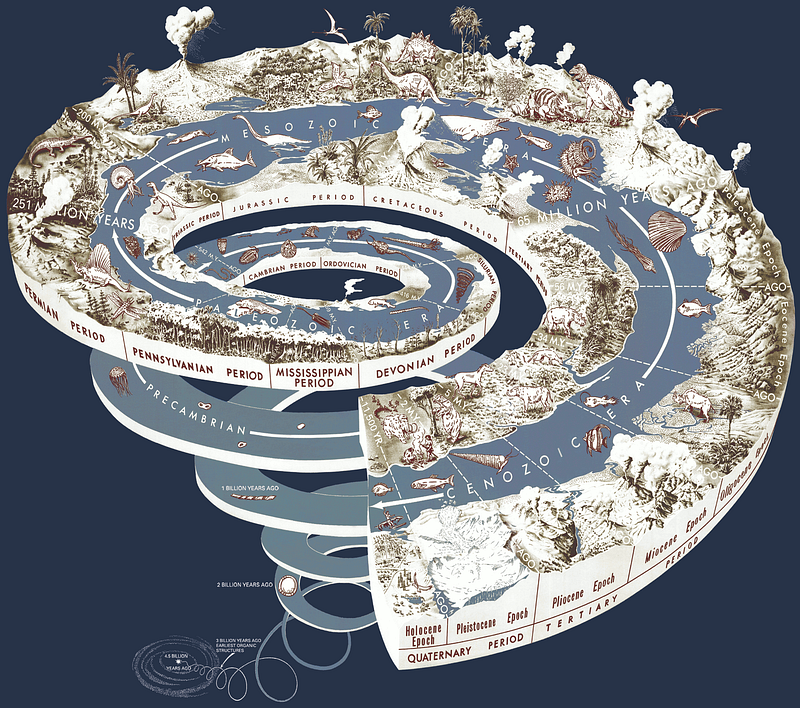
Phylogenetics is the study of how species evolved and what relationships exist within groups of organisms. Relationships are determined using phylogenetic inference methods with DNA sequencing data or morphology. This produces a phylogenetic tree which shows the evolutionary history of a group of organisms.
A few research problems in phylogenetics include,
- Inferring phylogenetic trees
- Phylogenetic networks
- Bayesian phylogenetics
- Phylogenetic model selection
- Evolutionary models
6. Systems biology
Systems biology attempts at understanding cells, tissues and organisms, and how they behave and function from the perspective of systems. Researchers try to understand biological processes such as cell growth and maintenance, metabolism and homeostasis, using mathematical models and simulations.
A few research problems in systems biology include,
- Gene regulatory networks
- Modelling metabolic interactions
- Model protective mechanisms induced by antibiotics
- Studying cell signalling pathways
Data Sources
There are many databases containing biological data available at present. Given below are a few popular databases.
DNA databases
RNA databases
Protein databases

Software and tools
Many open-source software and tools have been introduced to solve various problems in computational biology and bioinformatics. These tools range from simple command-line tools to sophisticated GUI-based applications. The scientific community is encouraged to publish source code publicly under open-source licensing so that others can reuse, modify and improve the code.
Many categories of tools can be found across the literature such as,
- Alignment tools — BWA, Minimap
- Simulation tools — PBSIM, PlantSimLab, Bio-SPICE
- Assembly tools — SPAdes, Flye, TransLiG
- Taxonomic profiling tools — Centrifuge, Kraken
- Visualisation tools — Bandage, Search Results, iCn3D
- Clustering tools — MaxBin2, MetaWatt, GraphBin
- Prediction tools — PlasFlow, Bio-Prodict
- Workflow and pipeline tools — Galaxy, Taverna Workbench, Unipro UGENE, QIIME 2
- Web services — BLAST, T-Coffee
Where to Publish Your Work?
Among the possible conferences, you can submit your work in the area of computational biology and bioinformatics to,
- Intelligent Systems for Molecular Biology (ISMB)
- European Conference on Computational Biology (ECCB)
- Research in Computational Molecular Biology (RECOMB)
- Workshop on Algorithms in Bioinformatics (WABI)
- Asia Pacific Bioinformatics Conference (APBC)
- Pacific Symposium on Biocomputing (PSB)
- International Conference on Bioinformatics & Biomedicine (BIBM)

Among the possible journals, you can submit your work in the area of computational biology and bioinformatics to,
- Bioinformatics
- BMC Bioinformatics
- IEEE/ACM Transactions on Computational Biology and Bioinformatics
- Briefings in Bioinformatics
- PLOS Computational Biology
- Proteins: Structure, Function, and Bioinformatics
- BioData Mining
Final Thoughts
I have explained only a few subfields and problems in the areas of computational biology and bioinformatics. There are many more, and you can find further information by doing a bit of Googling.
Hope you found this article informative. Feel free to share this article with your friends who are planning for higher studies in computational biology and bioinformatics.
Cheers!


