
Participation Trophies Are For Losers! Here’s How To Reward Sportsmanship
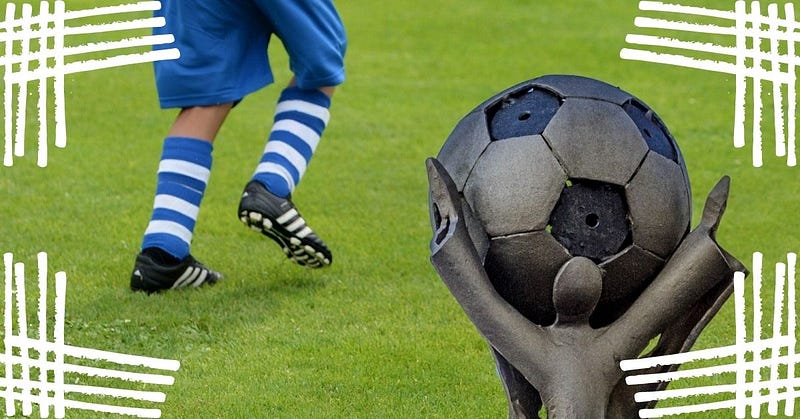
“For rewards to work, they need to be earned. If you’re trying to increase a kid’s motivation, emphasize health or emphasize how fun it is to move or play ball.” — Sports psychologist, Dan Gould
The idea behind participation trophies was a good one. Especially with kids’ sports, giving a trophy to everyone shows that all contributions are important.
Just because they didn’t win one of the major awards, doesn’t mean the kid is a failure.
And there are some circumstances, such as with kids who compete in the Special Olympics, where just showing up actually is a major accomplishment.
For the youngest of children, getting any sort of an award helps their pride and self-esteem.
By the time they’re around 8 or so, however, they’ve learned the difference between a “real” trophy and a “feel good” trophy. It can actually be a negative reinforcement, reminding them every time they see it that they didn’t win.
Negative results of participation trophies
The most common problem with participation trophies is that it leads to a feeling of entitlement. Kids get a reward just for showing up, regardless of their efforts.
It reinforces the idea that their mere presence is enough to justify them getting things. They don’t have to actually do anything.
It can also produce a backlash effect on the kids who did work hard. If everyone gets a trophy no matter what, they may be unwilling to put in the same amount of effort next time.
After all, what’s the point in trying, if you get the same award no matter what?
Finally, it’s been shown in studies that children who are praised for innate qualities, such as being smart, will choose easier tasks in the future, to support that self-view. Children who are praised for having good processes, such as working hard, will choose harder tasks in the future.
By giving children trophies not related to their efforts, you’re training them to play safer and dream smaller in their future life. That’s the exact opposite behaviors from the ones participation trophies were supposed to encourage.
Personalized rewards matter more
This was really brought home to me while reading the final chapters of BJ Fogg’s excellent book, Tiny Habits. (If you haven’t read it yet, go get a copy now. Really. It’s that good. I’ll wait.)
He talks about how important it is to find the right encouragement to give people a feeling of Shine (that inner glow of self-pride when you know you’ve done well).
Some people are encouraged by being told they’ve done better than they ever have before, some by learning they’ve done better than anyone else. Some glow with Shine when they learn they’ve been the most consistent, or that they’ve made the most improvement.
I can definitely relate to that last idea.
When I was a kid, one summer I was on the swim team at the local pool. When we started training, I could barely do two laps without having to stop and rest.
As the summer wore on, the number of laps we swam in practice grew larger and larger. I kept struggling, always finishing behind everyone else, but always finishing.
I foundered when trying to do flip-turns, and whacked my head on the wall of the pool when practicing the backstroke. I once memorably missed my event because I’d gone to the bathroom, and had gotten tangled up in my bathing suit and couldn’t get free.
If there was anyone deserving of a participation trophy, it was me. I don’t think I won a single event the entire summer.
I didn’t get a participation trophy
After the final swim meet, the team and their parents gathered around a table filled with trophies. The coaches started handing out the trophies.
The first was the giant, 6-foot tall multi-tiered trophy that went to my friend’s older sister. She’d broken more pool records that year than anyone in the history of the club.
More and more trophies were awarded — many of them also going to my friend’s sister — until there was only one left on the table. A tiny little thing, barely 8 inches tall, that had a rectangular blue column with a figure of a swimmer on top of it.
“Finally, for most improved swimmer… Jennifer Dunne.”
The trophy was mine! I’m getting tears in my eyes writing this, remembering that moment. It wasn’t a trophy just for showing up. But they’d recognized how hard I’d tried.
I was never going to be a great swimmer. As far as competitive swimming went, I wasn’t even average.
But I’d put in the effort, day after day, and gotten a little bit better each day. By the end of the summer, I’d accomplished things I’d never have dreamed I would be able to do on the first day of the season.
I still have that trophy. And the rest of my life has been filled with accomplishments achieved a little bit at a time, day after day, by putting in the work.
Conclusion
That’s the way you raise kids’ self-esteem, and make them willing to work harder and do better. You recognize what they truly did that they should feel proud of.
Did they have the best attitude of all the kids on the team? Were they the most encouraging to their teammates? Did they work harder than anyone? Did they improve the most? Were they the most reliable? Were they the most flexible in assignments?
If you were paying attention, as a coach or as a parent, you’ll have seen what positive qualities each of the kids exhibited. Reward them for those, and help them learn that they have valuable skills that they can continue to develop, even if they have little or no athletic ability.
And if all they did was show up? The sooner they learn that’s not going to get them anything, the better they’ll be prepared for life.
Ready to have a better tomorrow?
I’ve created a cheat sheet to help you gain control of your life, increase your confidence, and become optimistic about the future. If you follow this daily, you will change your life very quickly!


