
Renewable Energy Transition: Policies, Investment, and a Carbon-Neutral Future
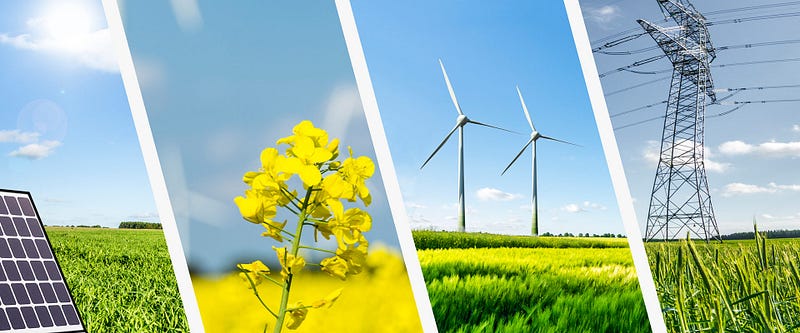
The global transition to renewable energy sources is no longer a distant vision but a pressing necessity.
As the world grapples with the impacts of climate change and the urgent need to reduce greenhouse gas emissions, renewable energy has emerged as a beacon of hope.
In this article, we explore the policies, investments, and the path to a carbon-neutral future driven by renewable energy.
The Imperative for Renewable Energy
1. Climate Change: The burning of fossil fuels for energy is a leading contributor to climate change, causing rising temperatures, extreme weather events, and environmental degradation.
2. Energy Security: Renewable energy sources, such as wind, solar, and hydropower, offer greater energy security by reducing reliance on finite fossil fuel resources.
3. Public Health: Shifting to cleaner energy sources can improve air quality and reduce the health risks associated with pollution.
Policies Driving the Transition
1. Renewable Portfolio Standards: Many countries have implemented policies mandating a minimum percentage of renewable energy in their energy mix.
2. Feed-in Tariffs: Governments offer incentives to renewable energy producers by guaranteeing a fixed payment for each unit of energy generated.
3. Carbon Pricing: Implementing carbon pricing mechanisms encourages the adoption of renewables by making fossil fuel-based energy more expensive.
Investments in Renewable Energy
1. Private Sector Commitment: Corporations are increasingly investing in renewable energy to meet sustainability goals and reduce their carbon footprint.
2. Government Funding: Governments worldwide are allocating substantial funds to support research, development, and deployment of renewable technologies.
3. Infrastructure Development: Investments in renewable energy infrastructure, such as solar and wind farms, are growing exponentially.
Technological Advancements
1. Energy Storage: Advancements in battery technology are making it easier to store excess renewable energy for use during periods of low generation.
2. Grid Modernization: Smart grids enable efficient distribution of renewable energy, reducing waste and enhancing reliability.
3. Hydrogen: Green hydrogen, produced using renewable energy, holds promise as a clean energy carrier for various sectors.

Challenges and Solutions
1. Intermittency: Renewable energy sources can be intermittent. Solutions include energy storage and grid enhancements to manage fluctuations.
2. Grid Integration: Integrating renewables into existing energy grids requires upgrades and new infrastructure.
3. Policy Consistency: Stable, long-term policies are essential to attract investments and foster industry growth.
The Path to a Carbon-Neutral Future
1. Carbon Neutrality: Commitments to achieve carbon neutrality by mid-century are becoming more widespread, with renewable energy playing a central role.
2. Energy Transition: A just and equitable transition involves reskilling workers in fossil fuel industries and ensuring access to renewable energy benefits for all.
3. Global Cooperation: International collaboration is crucial to addressing climate change, sharing technology, and achieving renewable energy goals.
The transition to renewable energy is not merely a shift in energy sources; it’s a paradigm shift toward a sustainable and carbon-neutral future. With the right policies, investments, and technological innovations, renewable energy has the potential to power the world while safeguarding our planet.
By embracing this transition, we can mitigate climate change, improve air quality, enhance energy security, and create a better, cleaner world for generations to come.