
Remove these 9 Things to Improve your Life and Reduce Stress
The 4 subtle dangers of adding more to your life

Why do you add things to your life when you want to make it be better?
Most people do this. But there is a better way.
A study found that when trying to fix something, people added rather than removed things.
When asked to :
- fix a travel itinerary, only 28% removed something
- improve an essay, word counts shrank in only 17% of edits
- make a pattern out of squares just 20% removed squares to create a pattern
- improve a university, only 11% wanted to drop something
You do the same:
- improve a relationship? You add a date night to the calendar
- feeling lonely? Take up a new hobby
- want to improve your career? Get an extra qualification
- concerned by your health? Join a gym
By adding more you create problems for yourself.
The 4 dangers of adding more to your life
1. You have no space for the new!
Let’s start with the obvious one. The one you know — but don’t do. Your life is full right? That means if you add something, you need to remove something to create space for it.
Yet when coaching people I am amazed how often people think they can squeeze more in. They convince themselves it is possible.
People are resistant to removing stuff even when adding something in!
2. Not realising the unintended costs
You join the gym and assume the costs are 3 hours/week in time + your membership fee. Wrong. You’ll also have:
- a desire to buy new clothes to wear
- the mental pressure of deciding what exercises to do
- new self-image battles. Being around lots of fit people isn’t easy on your self-esteem
Everything you add has more costs than you imagine.
3. Your limited working memory
Your working memory is those things you are actively thinking about. Routines and habits that are well-established take little mental effort. Think driving, typing or brushing your teeth.
But when you add something new, you place a strain on your working memory. Because you need to actively think about it. You can only consciously think about a small number of things at any one time. Add too many and something will disappear from your thinking without you knowing.
You’ll have experienced this whenever you remember months later ‘I was going to X what happened?’ Such as:
- Was supposed to read that book every night
- Meant to phone my mum every Friday
- Was going to join the archery club
4. Emotion fatigue
We’ve looked at resources in points 1 & 2 and thinking power in point 3. Adding brings emotional pressure too.
Imagine you start a new qualification. You have enough time and money to do it. But what about the emotional weight it will bring? Think about the array of emotions you would experience:
- nerves at meeting new people
- insecurity wondering whether you can do it
- excitement of learning new things
- adrenaline of taking an exam
- despair at getting a poor mark
- anger at yourself for procrastinating
Wow — no wonder you feel emotionally exhausted!
Research proves we prefer to add stuff to our lives. But adding brings many problems.
Good news — there is an alternative approach.
Try removing instead
Removing things from our life saves resources. It will give us time and money we can use for other things.
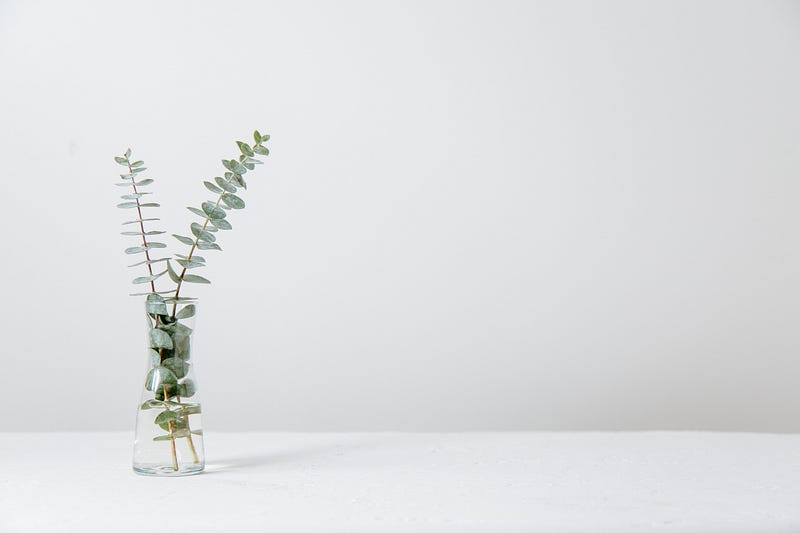
But there is something even better for us. Do you know why writers don’t cram words the whole page with words?
To give the text space to breathe
Removing things gives our minds and emotions space to breathe. When you remove something it is a one-time decision. It doesn’t strain you mentally once you make the decision.
It also has a powerful emotional effect. It will feel like a burden lifted. A sense of relief.
Research shows it is not natural to focus on removing so you are going to need a bit of help.
So here you go…
9 things to remove from your life
1. Leave a team/committee that you are part of.
2. Cut replying to some emails — don’t respond and see what happens. if it looks like you will lose your job or a lot of money then start replying again. Did you know that the fewer emails you reply to the fewer emails you get?
3. Pick one night a week and refuse to watch TV.
4. Stop spending time with someone who drains you. Don’t feel guilty about it.
5. Stop doing a leisure activity that you no longer enjoy.
6. Stop engaging on a social media platform or reduce who you follow by 25%. Even without trying you will find more quality in your social media use.
7. Pick one thing you are supposed to do but don’t. Remove it from your ‘suppose to’ list. Say to yourself ‘I am not going to do that’ and feel the burden lift.
8. Cut one expense. Look through your bank statement. You’ll be surprised at what direct debits you have that you don’t need anymore.
9. Delete some Apps from your phone.
Don’t do it and see what happens
Matthew Dicks tell the story of when he had a new spreadsheet to complete as a teacher. He decided not to fill in it. He made it an experiment — ‘don’t do it and see what happens’. For four years no one noticed. But he got a new boss who demanded he fill it in. Matthew wanted to keep his job so he started filling it in.
If stopping something feels a bit risky think of it as an experiment. See what happens. It removes any risk. You can always add it back into your life if that would improve it.
It is more likely you will gain resources, enjoy the white space to breathe and who knows what will grow from that.
To receive regular insights on living a better life, sign up for my email list.
You can join Medium and read all their amazing articles for only $5/month. Use this link, and I’ll receive a bonus from Medium, at no cost to you.