avatarDiane Neill Tincher

Free AI web copilot to create summaries, insights and extended knowledge, download it at here

2307

Abstract

en were spotted at a convenience store in Osaka buying drinks and beer. When they got to the cash register, one of them realized if he bought the beer, he wouldn’t have any money left to make a donation for quake victims. He returned the beer and made his donation.</li><li>Employees of Tokyo Electric Power Company volunteered to help in the Fukushima plant. After a lifetime of working in nuclear plants, one gentleman, only six months from retirement, left his wife and daughter to help at the failing plant in Fukushima knowing he would face radiation illness and likely death.</li><li>Uniqlo (clothing franchise) employees donated 1 billion yen (12,408,610) to help the victims. The owner matched that donation from his personal funds and promised to donate as many “heattech” warm undergarments as were needed.</li><li>The Fukuoka government, and others, offered free housing to earthquake and tsunami victims whose houses were washed away or irreparably damaged.</li><li>At least 52 countries sent aid, from cans of tuna sent from the Maldives to the US military’s 90 million Operation Tomodachi.</li></ul><h1 id="3635">Tribute to those lost</h1><p id="662b">Written by Iwai Shunji and with melody and composition by Kanno Yōko, both Tohoku natives, this beautiful, poignant song expresses the wish that those lost never be forgotten.</p><p id="ec3f">It’s called, “March 11, <i>Hana wa Saku</i>,” Flowers Will Bloom.</p> <figure id="26db"> <div> <div> <img class="ratio" src="http://placehold.it/16x9"> <iframe class="" src="https://cdn.embedly.com/widgets/media.html?src=https%3A%2F%2Fwww.youtube.com%2Fembed%2FUP-75Ag41j4%3Ffeature%3Doembed&amp;display_name=YouTube&amp;url=https%3A%2F%2Fwww.youtube.com%2Fwatch%3Fv%3DUP-75Ag41j4&amp;image=https%3A%2F%2Fi.ytimg.com%2Fvi%2FUP-75Ag41j4%2Fhqdefault.jpg&amp;key=a19fcc184b9711e1b4764040d3dc5c07&amp;type=text%2Fhtml&amp;schema=youtube" allowfullscreen="" frameborder="0" height="480" width="854"> </div> </div> </figure></iframe></div></div></figure><h1 id="f171">Revitalization</h1><figure id="fd83"><img src="https://cdn-images-1.readmedium.com/v2/resize:fit:800/1*hME63V8nQ54JLa_JtgZ4vw.jpeg"><figcaption>Along the Michinoku Trail, Aomori. (©Diane

Options

Tincher)</figcaption></figure><p id="6125">Today, the cities along the Tohoku coast have been rebuilt and the area is once again thriving.</p><p id="2cb6">As part of the revitalization efforts, a beautiful hiking trail has been created through the once-devastated coast of northeastern Japan. The Michinoku Trail stretches from Hachinohe City in Aomori Prefecture over 1,000 kilometers along the gorgeous and rugged Pacific coast to Soma City in Fukushima Prefecture.</p><p id="1b49">I hope you will someday have the opportunity to visit, and see for yourself the beauty of the Tohoku coast and the marvelously resilient people who live there.</p><figure id="5549"><img src="https://cdn-images-1.readmedium.com/v2/resize:fit:800/1*VyZ5KZhDR_unzGJnlZApXA.jpeg"><figcaption>The Michinoku Trail starts in Hachinohe, Aomori. (©Diane Tincher)</figcaption></figure><div id="f1da" class="link-block"> <a href="https://www.michinokutrail.com/"> <div> <div> <h2>Michinoku Coastal Trail</h2> <div><h3>This website was set up to help people from around the world discover the Michinoku Coastal Trail. The content is 100%…</h3></div> <div><p>www.michinokutrail.com</p></div> </div> <div> <div style="background-image: url(https://miro.readmedium.com/v2/resize:fit:320/0*4LIveP1amRE3EleE)"></div> </div> </div> </a> </div><p id="8241">If you would like to join Medium and get full access to all stories, I’d appreciate you using my referral link, below. Thank you!</p><div id="77c0" class="link-block"> <a href="https://diane-japan.medium.com/membership"> <div> <div> <h2>Join Medium with my referral link - Diane Neill Tincher</h2> <div><h3>As a Medium member, a portion of your membership fee goes to writers you read, and you get full access to every story…</h3></div> <div><p>diane-japan.medium.com</p></div> </div> <div> <div style="background-image: url(https://miro.readmedium.com/v2/resize:fit:320/0*erHojikSYGr5BWlf)"></div> </div> </div> </a> </div></article></body>

TRAVEL IN JAPAN

Remembering the Unsung Heroes of the 2011.3 Tohoku Earthquake and Tsunami

9.1 M Earthquake — 15,894 Lives Lost
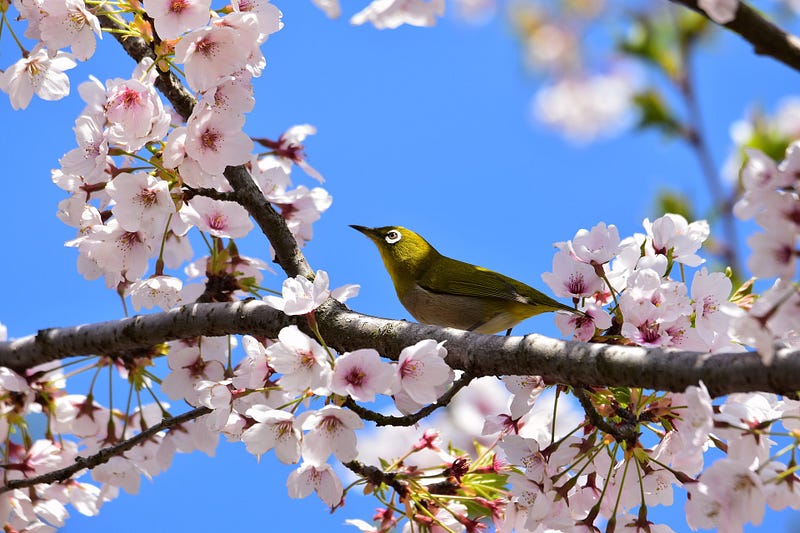
Cherry blossoms bring hope of new life. (Pixabay. No attribution required.)

On March 11, 2011, a devastating earthquake and tsunami struck the Tohoku region of Japan. Videos, photos, and first-hand stories flooded social media and rocked the world with the extent of the personal and widespread tragedy.

My children and I cried watching a cell phone video shot from a hilltop of an old woman far below running to reach the higher ground, only to be engulfed in the quickly advancing water. The feeling of helplessness. The utter sadness.

Our hearts were touched to see the stoic fortitude, kindness, and solidarity of the Japanese people facing loss of such magnitude.

The patience of the survivors waiting in line for food, sharing close quarters in shelters, and worrying over missing loved ones, left a deep impression.

This was followed by near-universal donating and nationwide successful efforts to conserve electricity.

The lack of looting made worldwide news, especially when juxtaposed with the aftermath of Hurricane Katrina in 2005, still fresh in many people’s memory.

The following are just a small sampling of the stories that circulated in the days following that disaster.

Unsung Heroes, March 2011

  • A woman and her baby were caught in the quickly rising water of the tsunami. A man on a second floor balcony climbed down to help her, passed the baby up, helped the woman up, and then he was swept away.
  • Although many lives were lost in the seaside city of Kamaishi, Iwate, all the elementary school students were saved. Each one was taken by the hand and led to safety on higher ground by quick-thinking and well-prepared junior high school students.
  • A 60 year old man was rescued by the Japan Self Defense Force 15 kilometers out at sea. He had been adrift on a roof.
  • A group of young men were spotted at a convenience store in Osaka buying drinks and beer. When they got to the cash register, one of them realized if he bought the beer, he wouldn’t have any money left to make a donation for quake victims. He returned the beer and made his donation.
  • Employees of Tokyo Electric Power Company volunteered to help in the Fukushima plant. After a lifetime of working in nuclear plants, one gentleman, only six months from retirement, left his wife and daughter to help at the failing plant in Fukushima knowing he would face radiation illness and likely death.
  • Uniqlo (clothing franchise) employees donated 1 billion yen ($12,408,610) to help the victims. The owner matched that donation from his personal funds and promised to donate as many “heattech” warm undergarments as were needed.
  • The Fukuoka government, and others, offered free housing to earthquake and tsunami victims whose houses were washed away or irreparably damaged.
  • At least 52 countries sent aid, from cans of tuna sent from the Maldives to the US military’s $90 million Operation Tomodachi.

Tribute to those lost

Written by Iwai Shunji and with melody and composition by Kanno Yōko, both Tohoku natives, this beautiful, poignant song expresses the wish that those lost never be forgotten.

It’s called, “March 11, Hana wa Saku,” Flowers Will Bloom.

Revitalization
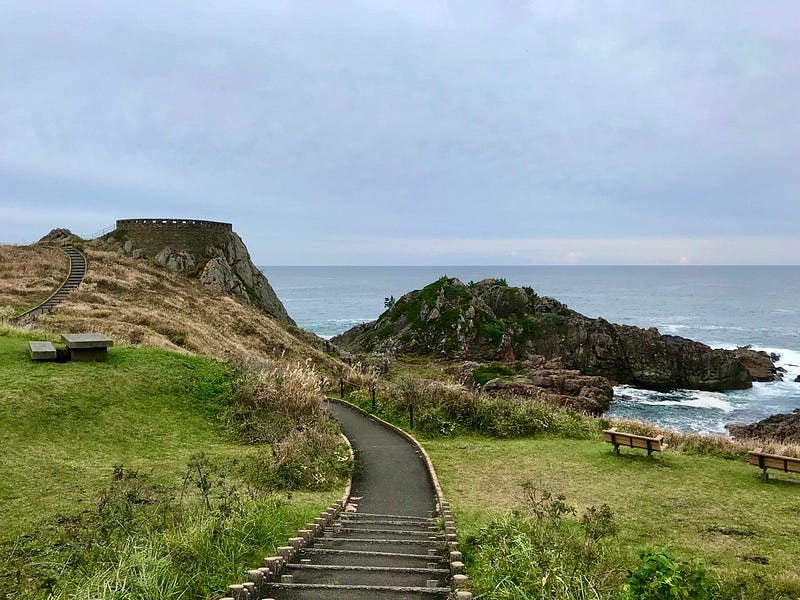
Along the Michinoku Trail, Aomori. (©Diane Tincher)

Today, the cities along the Tohoku coast have been rebuilt and the area is once again thriving.

As part of the revitalization efforts, a beautiful hiking trail has been created through the once-devastated coast of northeastern Japan. The Michinoku Trail stretches from Hachinohe City in Aomori Prefecture over 1,000 kilometers along the gorgeous and rugged Pacific coast to Soma City in Fukushima Prefecture.

I hope you will someday have the opportunity to visit, and see for yourself the beauty of the Tohoku coast and the marvelously resilient people who live there.
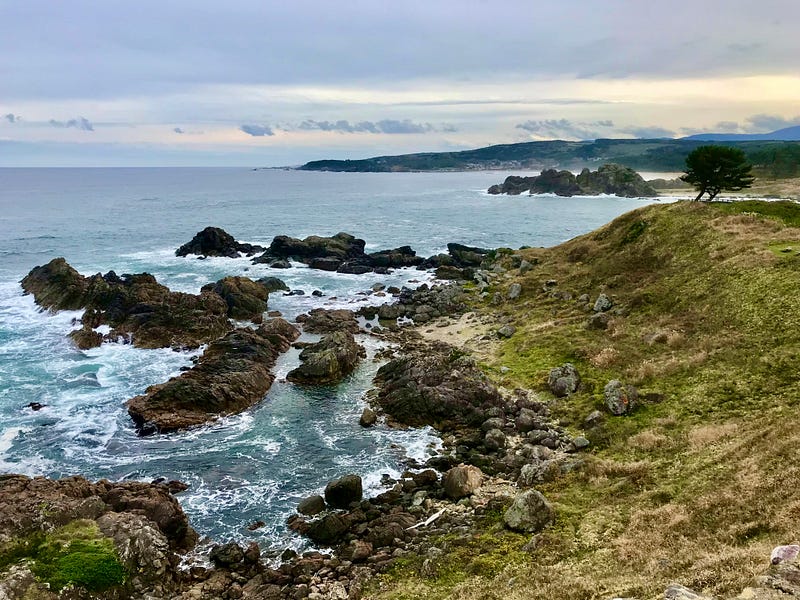
The Michinoku Trail starts in Hachinohe, Aomori. (©Diane Tincher)

If you would like to join Medium and get full access to all stories, I’d appreciate you using my referral link, below. Thank you!

Japan
Earthquake
Recovery
Hope
Hiking
Recommended from ReadMedium