Remembering My Uncle Paddy
Patrick Pearse, Irish Freedom Fighter
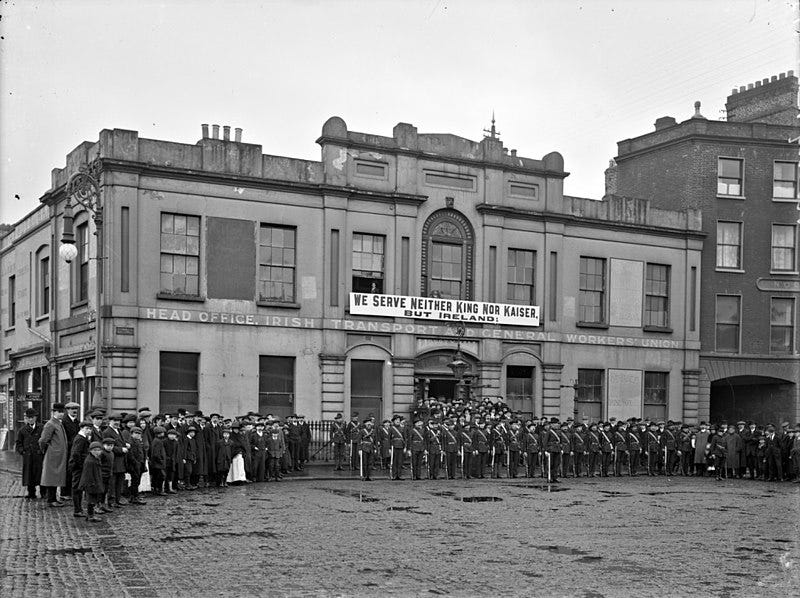
Today my uncle Patrick is to be executed by the British here in Dublin.
My mother and I went to see him this morning at the jail and he looks tired and discouraged; but he is still loyal to the cause of Ireland’s independence.
Uncle Paddy told us last night, “I was born in this town; it is only fitting that I die here. I have defended Ireland’s right to govern itself; its fight for independence,” and then reminded us once again that “Ireland unfree shall never be at peace.”
My uncle’s full name is Pádraig Anraí Mac Piarais, but the British government declared Irish a foreign language, which upset Uncle Paddy, as he loves the Irish language and dialects, and so legally he goes by Patrick Pearse.
He was my favorite uncle because he taught me all kinds of things. He was a schoolteacher who also loved books and to write songs and poems and he shared them with me.
He said that one time when he was about 10 years old, a visiting ballad singer came to their village singing republican songs and it was so stirring that he was ready to fight soldiers when it was over, but he couldn’t find any in the town and went home disappointed.
He said that was when he prayed to God and dedicated his life to Irish independence.
Even now, in the year 1916, in this new century, the British won’t let Ireland rule over itself. Ireland tried to be independent in 1798, again in 1848 and there was the Fenian rising before this.
Britain wants to keep us as part of the United Kingdom, but they don’t care about anything but the taxes they get from us.
They almost let the Irish people starve to death in the Great Irish Famine.
Uncle Paddy was an educated man who went to university and got his degree in Modern Languages from the Royal University of Ireland. He even practiced for a short time as a lawyer.
He wanted to see his people treated fairly and this was a major reason why he became a leader in the planned rebellion for Easter Week.
They chose this week because most of Britain’s soldiers were off fighting in the World War and they hoped to establish an Independent Irish Republic before Britain could respond.
I was in the crowd that morning when Uncle Paddy stood outside the Dublin General Post Office and read the Proclamation of the Irish Republic.
I helped set up the barricades so that when the British showed up, we could defend ourselves.
We just weren’t strong enough.
By Saturday afternoon, there’d been too many Irish killed. Uncle Paddy surrendered on behalf of us all.
The British took 3500 of us as prisoners and sent 1800 of us to internment camps.
Uncle Paddy, James Connolly, and 14 of the other leaders will be executed by a firing squad this afternoon.
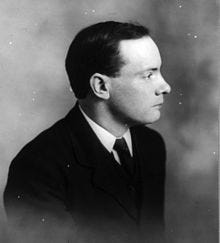
I told Uncle Paddy that I will always remember his sacrifice and continue the fight for our independence. He hugged me and said he is confident I will see Ireland’s independence in my lifetime.
Author’s note:
The Easter Rising began on Monday, April 24, 1916 and ended in surrender on Saturday, April 29.
The executions of the Easter Rising’s leaders strengthened the cause of Irish independence. In December 1918, an election was held and won by the Sinn Fein party who convened the First Dail and declared independence, but it wasn’t until December 1922 that Britain withdrew their transitional, provisional government and the Irish Free State was created.
Write for Medium with this affilate link (it won’t cost you extra, but I’ll get a portion of the fee). If you’d like, you can make a small donation here. ❤️


