
Remembering Easter 1979: A True Americana Tale of a Young Single Mother

It was Easter Sunday, 1979. I was almost 10 years old, 9 1/2 to be exact.
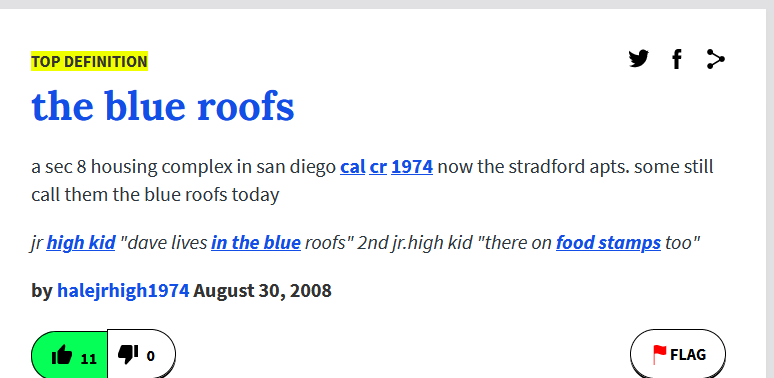
My mother wasn’t much older. She was 25, 25 ½. We lived in the Blue Roof Apartments behind the Bob’s Big Boy restaurant, where my mother worked as a waitress most nights.
She had Easter night off to spend with me and to make some happy small family memories. My dad was still hiding out in Canada. He’d left years ago to pursue his dream of becoming the next hot keyboardist rock star, like Ray Manzarek of the Doors or Rick Wakeman of Yes.
Unbeknownst to him though, he wasn’t that talented, which explains why he had been riding in the back of a van with four other mediocre wannabe musicians between gigs in the Yukon Territory in the dead of winter the last time we heard from him.
My mother asked him if he would please help us out that Christmas with some child support money so she could get me some new clothes for the new year. He, of course, didn’t have any money. Even if he did, the real reason he was in Canada was to avoid having to help pay for the costs of raising me.
My dad said he would call again at Easter, but we didn’t wait by the phone. His promises meant little. He told me it was very hard to call the United States from Canada since it was a foreign country. That was the same reason he could never pay the child support. He wanted to, he would say. It was just too hard to send money from Canada to America.
My mother’s boyfriend, Felix, wasn’t as good of a person as my dad.
He would get drunk regularly out at the bar, get angry, and come take it out on my mother. While my dad seemed more pathetic and deluded, wrapped in denial, Felix was really truly evil.
He tried to get my mother to leave me for him and his motorcycle. It was the seventies. Apparently, that kind of thing was done a lot back then. At least, that’s what Felix told my mother. He said, in front of me, that she was too young to be tied down with a kid. He was right, but that wasn’t the point.
He said she could leave me with her mother and go ride across the country with him on his Harley. Live the American Dream like Peter Fonda and Dennis Hooper did in Easy Rider.
They were only together for less than half a year, but during that time, he kept trying to separate me from my mother. He wanted to take her “skiing cross-country” She would always choose me, telling him no, which just made him angrier.
It was that Easter in 1979 when their relationship heated up. That’s when he tried to kill my mother.
He came over and started screaming, smelling like whiskey, or gin, or something. I couldn’t tell what exactly, I wasn’t even 10 yet. I just knew that he reeked bad.
I had been watching Peter Cottontail in the living room of our apartment on our 12” television. It claimed to be a color TV, but the reception was bad that night, so the Easter Special of Peter Cottontail was snowy and only came in in black and white. The foiled rabbit ears on top of the TV weren’t any help.
Because Felix’s yelling started getting louder, my mom called the downstairs neighbor to ask if I could go watch Peter Cottontail with them while she dealt with Felix. They said that it was okay for me to go to their place for a little while and watch the show.
The yelling from upstairs kept getting louder and louder. My friend’s dad jumped up anxiously shooting a worried glance at me when we heard a plate being thrown against the wall upstairs in my apartment. When the second plate hit the wall, he reached for the phone and called the police.
He didn’t let me go upstairs to check on my mother right away and made me wait for the police to come first. My apartment had gone silent, and the fighting had stopped just a moment before the police arrived.
The neighbor explained to the police why he had called them. The police made me wait downstairs with the neighbors while they went up to check on what was happening in me and my mom’s apartment.
The police said it was okay for me to come upstairs after they woke my mother up. Felix said she had fallen asleep on the couch.
The red marks on her neck told a different story. Felix had strangled her to where she passed out from asphyxiation, then dragged her body to the couch when he heard the police coming up the stairs.
He tried to laugh it off, calling it a domestic dispute. He said it was all just a big misunderstanding and offered a couple of beers to the cops. It was 1979. That was still a thing back then. Guys would offer beer to the cops after beating their girlfriend’s unconscious as a bribe to not be taken into custody. Apparently, it happened all the time.
The cops couldn’t take him up on his offer though, since too many witnesses were gathering around in front of our apartment behind Bob’s Big Boy restaurant. They called for another unit to come to the apartment for Felix since they promised to take me and my mom to the hospital.
Felix went away that Easter night and we never saw him again. Although he called a few times to tell my mother that he was going to come to finish what he started that Easter. We moved not long after that incident. My mother quit her job at Bob’s Big Boy and started waitressing at a more upscale restaurant on the harbor.
A couple of weeks after we moved, we were coming home one night from a cub scouts meeting when she saw someone with a flashlight in our new apartment. At first, she thought it was Felix, but it turned out just to be a common thief.
My mom had chased him down and almost caught him, but came back to check on me. She said he was too short to be Felix. Felix was tall and lanky like David Bowie. Whoever robbed us that night looked more like Danny DeVito, my mom said. He took my piggy bank and some fake jewelry from my mom’s jewelry box. She called the police, and they came over and took a report.
A couple of days later, I got my first saving account at a bank with my passbook. I also got my first big dog. He was black with sharp bright white teeth that glowed in the dark. He wasn’t the nicest dog, but that was alright. He liked us well enough, at least more than the other people that came near us, and that’s what mattered.


