
Remember The Journey
An essay on mental health

I get to points in my life, where I stop and realize that I have sometimes gone long stretches of time without mindfully thinking of my mental health. I realize I am not regularly taking the time or the moment to practice mindfulness when it comes to my own depression, anxiety, and addiction. Many people might believe that that’s a good thing. Some say it’s a sign of healthy mental health, figuring that the more I am not in the moment about it, the much more stable it must now be. Since I seem to stop and think about it less and less. But what is the root of that?
I go against that mentioned theory from people, about mental health doing great the less we think about it. Because remember that there are countless ways to distract oneself from health and other things important. And not all those distractions are healthy.
I try not to work with distractions, no matter what kind they are. To me, distractions can block everything, good or bad. A recovering addict certainly should not necessarily block memories of those dark terrible days of using drugs in dirty streets, or in trauma filled households. Some of the worst possible memories of drug addiction are okay to remember, and recall. We can use mindfulness to practice health methods for dealing with it.
We have to remember, it’s about finding that fine line and that balance. I have come to believe that it’s really about finding a stable and steadied point. Taking neither extreme. Trying to just remain at a point that isn’t too down, nor too high, meaning, don’t glorify those past dark times but don’t pretend they never existed either.
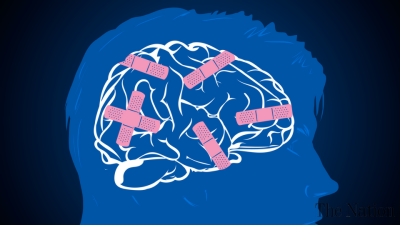
It’s important to work through the terrible things we have experienced and done with our addiction. That is exactly what the professionals are for.
Working through those nightmares and memories of our lives as active drug addicts is a process of many steps, and oftentimes years of hard work. But don’t look at it as an impossible journey forward. Just remember to keep in mind that each day forward, can lead us to better times than yesterday.
My mindfulness about my addiction always brings me one step before those times. When the real starting point for addiction started. That was the days of my undiagnosed and untreated depression and anxiety.
While I was much less educated back then about mental health, I still believe that as I look back now, I was still smart enough to know something wasn’t right. I knew I had some kind of mental issues going on, but even back then that fear to come forward did nothing but hinder progress. My struggling mental health hid from the world quite well, until the damage of my addictive lifestyle shown itself through.
By avoiding issues that I was once ashamed of, I sat on a ticking time bomb for a very long time. Even though that all started many years ago, it still remains a fresh reminder in my mind today. A reminder that keeps the lessons clear in my head as to why I shouldn’t forget about that world, or pass it off as something that is no big deal anymore.

Remember the experiences with a sense of total balance. In a way that doesn’t make things a war story. While also not thinking about how to make ourselves and others believe that we are cured forever. We don’t want to be on either extreme.
We will likely never find a total cure. But our awareness and our mindfulness skills are great tools along with medication, to keep things strong, under control, and even in remission. Remain understanding of the fact that we will still have those tough days of struggle. If those times do find you, they are not times to keep secret. And they’re also not times to numb or block.
Always remain mindful of the journeys that found you health and peace. Those paths are always there, and they do work, when we manage them with courage and honesty.

Michael Patanella
is a Trenton, New Jersey Author, Publisher, Columnist, Editor, Advocate, and recovering addict, covering topics of mental health, addiction, sobriety, mindfulness, self-help, faith, spirituality, Smart Recovery, social advocacy, and countless other nonfiction topics. His articles, publications, memoirs, and stories are geared towards being a voice for the voiceless. Hoping to reach others out there still struggling.